
Garlic is well-known for its impressive health benefits, making it a valuable addition to any diet. It supports immune function, promotes heart health, and aids digestion. Additionally, its powerful antioxidant and anti-inflammatory properties solidify its status as a true superfood. Scientific research further highlights why this humble kitchen staple deserves a spot in your daily meals
1. Garlic Boosts the Immune System

Garlic is a natural immune booster. It helps your body defend against colds and flu. The sulfur compounds in garlic, such as allicin, are responsible for many of its medicinal properties. These compounds can enhance the production of white blood cells, which play a critical role in fighting off infections. A study published in Advances in Therapy found that garlic supplementation significantly reduced the frequency and severity of common colds, leading to quicker recovery times for participants.
1st Study: A 12-week study in Advances in Therapy (2001) revealed that participants who took garlic supplements had fewer colds than those who took a placebo, and the severity of colds was reduced by 61%.
2. Garlic Improves Heart Health
Garlic has been shown to have a positive effect on cardiovascular health. Studies suggest that garlic can help lower cholesterol levels, especially LDL (bad cholesterol), and reduce blood pressure. Both of these factors contribute to a healthier heart and a reduced risk of heart disease. A meta-analysis published in The Journal of Nutrition concluded that garlic consumption effectively lowered total cholesterol levels and significantly reduced blood pressure in individuals with high blood pressure.
2nd Study: A meta-analysis of 26 trials published in The Journal of Nutrition (2016) found that garlic supplementation reduced both systolic and diastolic blood pressure, with an average reduction of 8.4 mm Hg in systolic pressure and 5.5 mm Hg in diastolic pressure in hypertensive individuals.
3. Garlic is rich in Antioxidants
Garlic is packed with antioxidants, which help fight oxidative stress and protect the body from the damaging effects of free radicals. The antioxidants in garlic may reduce the risk of chronic diseases and other age-related conditions. They also help in maintaining healthy skin by combating the aging effects caused by environmental factors. A study published in Phytotherapy Research highlighted garlic’s potential to protect against oxidative damage by scavenging free radicals and increasing antioxidant activity in the body.
3rd Study: A study published in Phytotherapy Research (2010) demonstrated that garlic supplementation increased the levels of antioxidants in the body and decreased oxidative stress markers, supporting its role in preventing chronic disease.
4.Garlic Improves Digestion

Garlic can work wonders for your digestive system. It promotes the growth of healthy gut bacteria, which are essential for proper digestion and nutrient absorption. It also has antibacterial and antifungal properties that can help eliminate harmful bacteria in the digestive tract. This action helps your body to process food and absorb nutrients. A study published in the Journal of Medicinal Food found that garlic had beneficial effects on gut health by promoting the growth of beneficial bacteria while inhibiting harmful bacteria.
4th Study: A study in the Journal of Medicinal Food (2007) found that garlic supplementation enhanced gut health by supporting the growth of beneficial gut flora while preventing the overgrowth of harmful bacteria.
5. Garlic may regulate Blood Sugar Levels
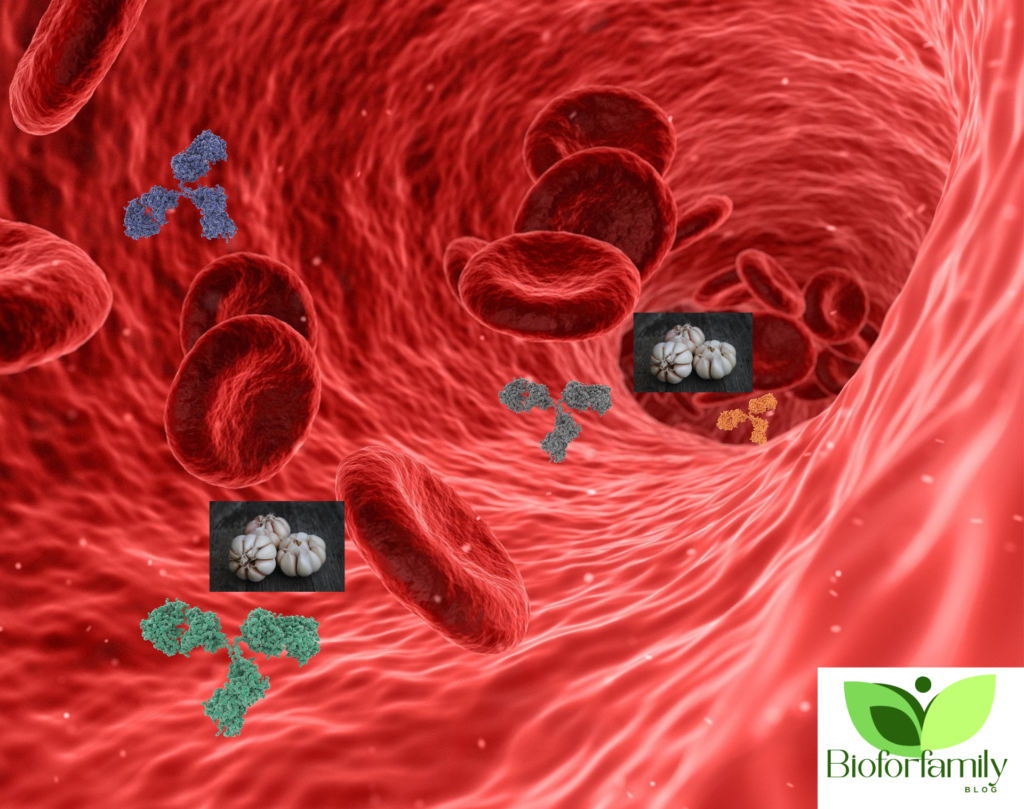
For those dealing with diabetes or at risk of developing the condition, garlic can help regulate blood sugar levels. Several studies have shown that garlic can improve insulin sensitivity, which can aid in better blood sugar control. One study published in The Journal of Nutrition found that garlic supplementation improved insulin sensitivity and reduced blood sugar levels in individuals with type 2 diabetes.
5th Study: A study in The Journal of Nutrition (2009) found that garlic supplementation improved insulin sensitivity and reduced blood glucose levels in type 2 diabetics, helping to manage the disease more effectively.
6. Garlic can Support Detoxification
Garlic has detoxifying properties that help the body flush out toxins and heavy metals. The sulfur compounds in garlic stimulate liver enzymes, which play a key role in detoxifying the body. Regular consumption of garlic can assist in cleansing the system and promoting overall health. A study published in Environmental Toxicology and Pharmacology found that garlic effectively removed heavy metals, particularly lead, from the body and protected the liver from damage caused by toxins.
6th Study: A study published in Environmental Toxicology and Pharmacology (2013) demonstrated that garlic supplementation helped remove heavy metals, such as lead, from the body, providing protective effects against liver damage and oxidative stress.
7. Garlic may Promote Better Skin Health

Garlic isn’t just good for your internal health, it can improve your skin as well. Due to its antioxidant and anti-inflammatory properties, garlic can help with conditions like acne, eczema, and psoriasis. Applying crushed garlic directly to affected areas may help reduce inflammation and promote healing, although it’s important to use caution as it can be potent. A study published in Phytotherapy Research highlighted garlic’s potential benefits in reducing inflammation and promoting skin health.
7th Study: A 2012 study published in Phytotherapy Research found that garlic exhibited anti-inflammatory effects that may be useful in treating inflammatory skin conditions like eczema and acne.
8. Garlic May Have Anti-Cancer Properties
Emerging research suggests that garlic may help in the fight against cancer. Garlic’s sulfur compounds, particularly diallyl disulfide, have been shown to inhibit the growth of cancer cells in some studies. While more research is needed, garlic’s potential as a natural cancer-fighting food is exciting and worth further exploration. A study in The American Journal of Clinical Nutrition found that garlic consumption was associated with a reduced risk of certain cancers, particularly colorectal cancer.
8th Study: A study in The American Journal of Clinical Nutrition (2007) found that regular consumption of garlic was associated with a significantly reduced risk of colorectal cancer, with the sulfur compounds in garlic playing a key role in cancer prevention.