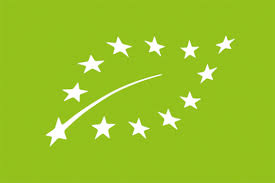
EU Organic Certification is an official recognition that a product has been produced following the organic farming regulations set by the EU. It applies to food, animal feed, seeds, and agricultural products. The certification system ensures that organic farming methods prioritize environmental sustainability, animal welfare, and biodiversity.
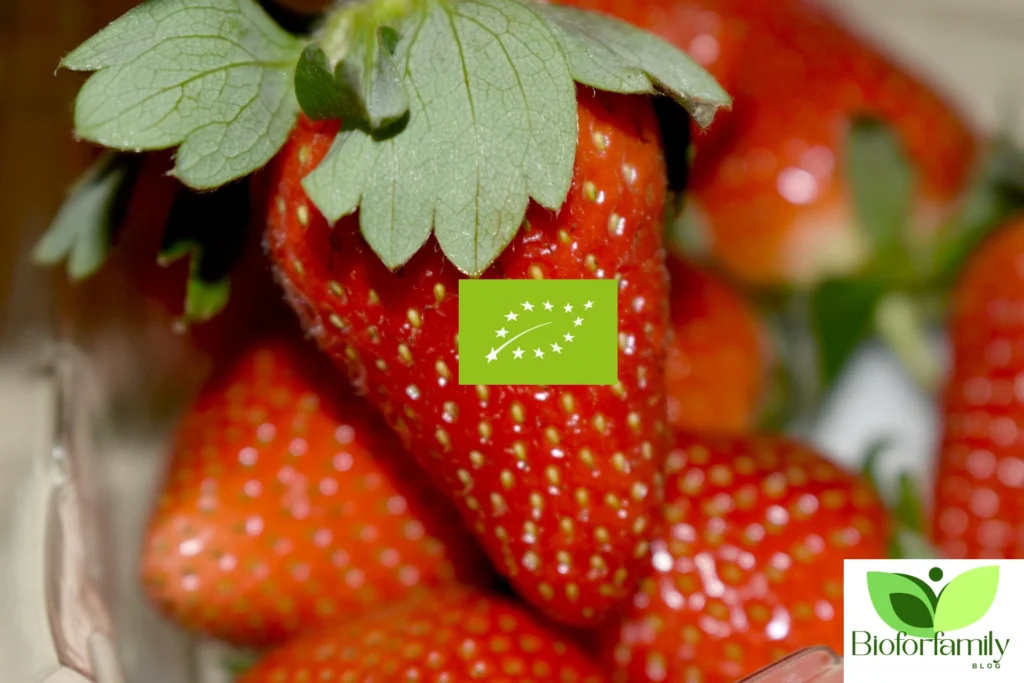
The EU organic logo, a green leaf made of white stars, symbolizes adherence to these regulations. Products carrying this logo meet the standards defined by Regulation (EU) 2018/848, which governs organic production and labeling within the EU.
1.Recognition Outside the EU
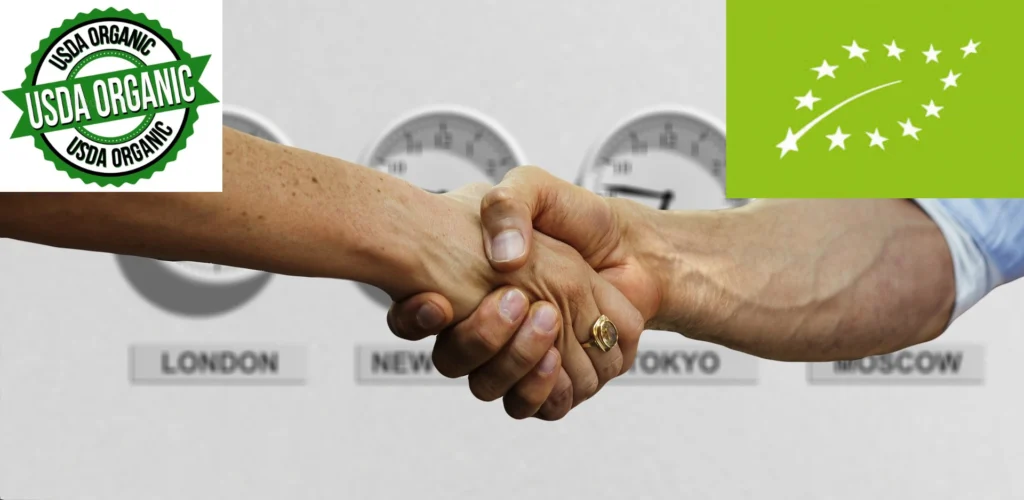
The EU has equivalence agreements with several countries, including the US, Canada, Japan, and Switzerland, allowing mutual recognition of organic certifications. This facilitates easier exportation of EU-certified organic products to these markets.
2.Key Principles of EU Organic Certification
To receive EU Organic Certification, businesses must comply with the following principles:
- Sustainable Farming Practices: Organic farming avoids synthetic pesticides, herbicides, and fertilizers, promoting soil health and biodiversity.
- Farmers must raise livestock in humane conditions, providing them with access to open-air areas and a diet of organic feed to ensure their well-being
- Non-GMO Policy: Organic farming strictly prohibits the use of genetically modified organisms (GMOs) to ensure natural and sustainable production.
- Limited Use of Additives: Organic products must avoid artificial preservatives, flavor enhancers, and synthetic chemicals.
- A transparent supply chain ensures full traceability, maintaining the integrity of organic products throughout production and distribution
3.Steps to Obtain EU Organic Certification
Obtaining EU Organic Certification involves a multi-step process, requiring businesses to undergo inspections and audits to confirm compliance with regulations.
Step 1: Choose a Certification Body
Each EU member state has accredited certification bodies that assess organic compliance. Operators must select an approved Control Body (CB) responsible for their certification process.
Step 2: Conversion Period
Farms transitioning to organic production must undergo a conversion period of two to three years. This process allows the soil and production methods to meet organic standards before receiving certification
Step 3: Apply for Certification
Businesses must submit a detailed application to their chosen control body, providing information about farming practices, input materials, processing methods, and supply chain transparency.
Step 4: Inspection and Evaluation
Control bodies conduct thorough on-site inspections to verify adherence to EU organic regulations. This includes soil testing, record checks, and facility assessments.
Step 5: Certification Approval
If the inspection confirms compliance, the operator receives an organic certificate valid for one year. Annual inspections are required to maintain certification status.
4.EU Organic Logo and Labeling Requirements
Once certified, businesses can use the EU organic logo on their packaging, signifying compliance with organic regulations. All pre-packaged organic products in the European Union must prominently display the EU organic logo to ensure transparency and consumer trust. Alongside the logo, the control body’s code number must appear on the packaging, verifying that the product has met strict organic certification standards. Additionally, manufacturers must indicate the origin of raw materials, specifying whether they come from “EU Agriculture,” “Non-EU Agriculture,” or a combination of both. This labeling helps consumers make informed choices about the sources of their food. Moreover, the term “organic” can only be used on packaging if at least 95% of the product’s ingredients are certified organic, ensuring that processed foods still adhere to high organic standards. These regulations help maintain the integrity of organic certification while promoting sustainable and ethical food production across Europe.
5. Benefits of EU Organic Certification
Obtaining EU Organic Certification offers several key advantages for businesses and consumers alike. First, it enhances market access, as the EU organic label boosts credibility and opens doors to both European and international markets. This certification reassures buyers that the product meets strict organic standards, making it more competitive globally.
Moreover, certified organic products build consumer trust, particularly among health-conscious and environmentally aware shoppers. As more consumers prioritize natural, pesticide-free, and GMO-free options, having an official organic label strengthens brand reputation and increases customer loyalty.
Beyond market benefits, organic farming contributes to environmental sustainability. By promoting biodiversity, reducing pollution, and improving soil quality, organic practices support long-term ecological balance. This approach not only benefits the planet but also aligns with growing consumer demand for ethically sourced food.
Additionally, businesses can capitalize on premium pricing, as organic products often command higher prices due to their higher production costs and added value. This boosts profitability while reinforcing the brand’s commitment to quality.
Finally, certification ensures regulatory compliance, helping businesses meet EU legal requirements and avoid potential fines or legal issues. By adhering to these strict standards, companies can operate with confidence, knowing they are contributing to a more sustainable and transparent food system.
6. Challenges in Obtaining EU Organic Certification
Despite its numerous benefits, obtaining and maintaining EU Organic Certification presents several challenges. First, businesses must comply with strict regulatory requirements, which demand continuous adherence to high standards. Meeting these criteria can be both complex and costly, requiring significant resources and expertise. Additionally, the conversion period for farms transitioning to organic production is lengthy, often taking two to three years. During this time, farmers must invest in sustainable practices without immediately benefiting from organic certification.
Furthermore, frequent inspections add to the difficulty. Regulatory bodies conduct regular audits, requiring businesses to maintain meticulous records and demonstrate full operational transparency at all times. Finally, sourcing organic inputs—such as organic seeds, feed, and fertilizers—can be a challenge, as these products are often less available and more expensive than their conventional counterparts. Despite these obstacles, many businesses pursue EU Organic Certification due to the long-term benefits for both consumer trust and environmental sustainability.