

In today’s marketplace, labels such as natural, eco-friendly, and organic dominate packaging across food, skincare, clothing, and household products. Although these terms often appear interchangeable, they carry very different meanings, standards, and implications.
Understanding the difference between natural vs eco-friendly vs organic products is essential for consumers who prioritize health, sustainability, and ethical consumption. While “natural” is often loosely defined, “eco-friendly” focuses on environmental impact, and “organic” follows strict agricultural and production regulations.
This comprehensive guide explains what each term truly means, how they differ, and how to make informed purchasing decisions aligned with your values.
Why Understanding Product Labels Matters
Consumers today are more conscious than ever about:
- Reducing exposure to synthetic chemicals
- Supporting sustainable practices
- Lowering carbon footprint
- Avoiding misleading marketing claims
However, without clarity, marketing language can blur the line between genuine sustainability and branding tactics. Therefore, knowing how to interpret labels allows you to shop smarter and avoid greenwashing.
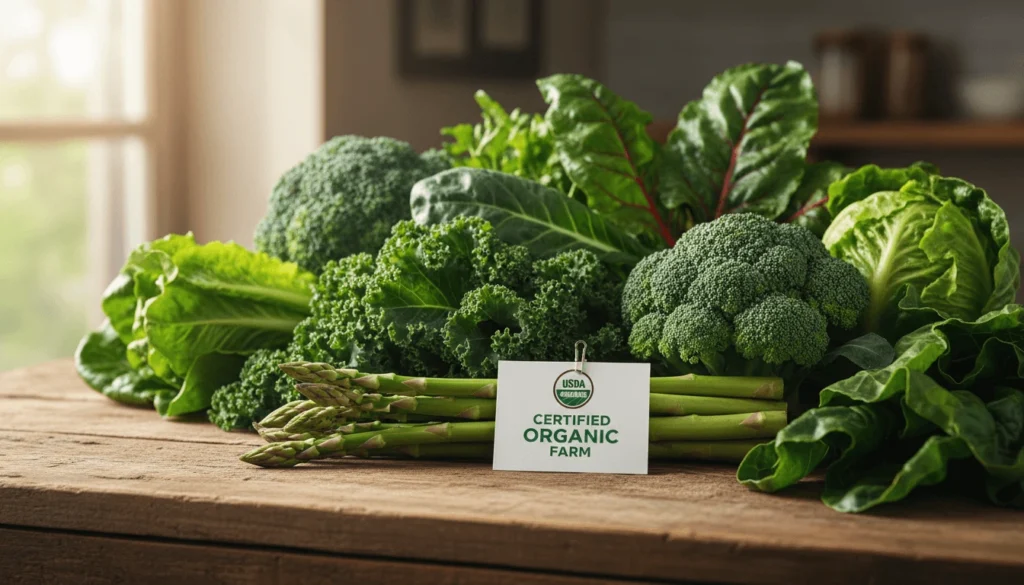
What Does “Natural” Mean?
The term natural is widely used in food, cosmetics, and household products. However, it is also one of the most misunderstood and least regulated labels in the marketplace.
Lack of Official Regulation
Unlike organic certification, “natural” does not have a universally enforced legal definition in many industries. In most cases, companies use the term to suggest that a product:
- Contains ingredients derived from nature
- Is free from artificial colors or preservatives
- Avoids synthetic additives
Nevertheless, these claims are often not legally verified. As a result, manufacturers may label products as natural even when they contain processed ingredients.
Natural vs Processed Foods
A key misconception is that natural equals healthy. In reality, a product labeled “natural” may still be highly processed.
For example:
- A “natural” snack bar may contain high-fructose corn syrup
- Natural chips may use processed vegetable oils
- Natural beverages may still contain added sugars
Because there is limited oversight, consumers must check ingredient lists rather than relying solely on front-label claims.
“Natural” is primarily a marketing term. It does not automatically guarantee health benefits, sustainability, or strict production standards.
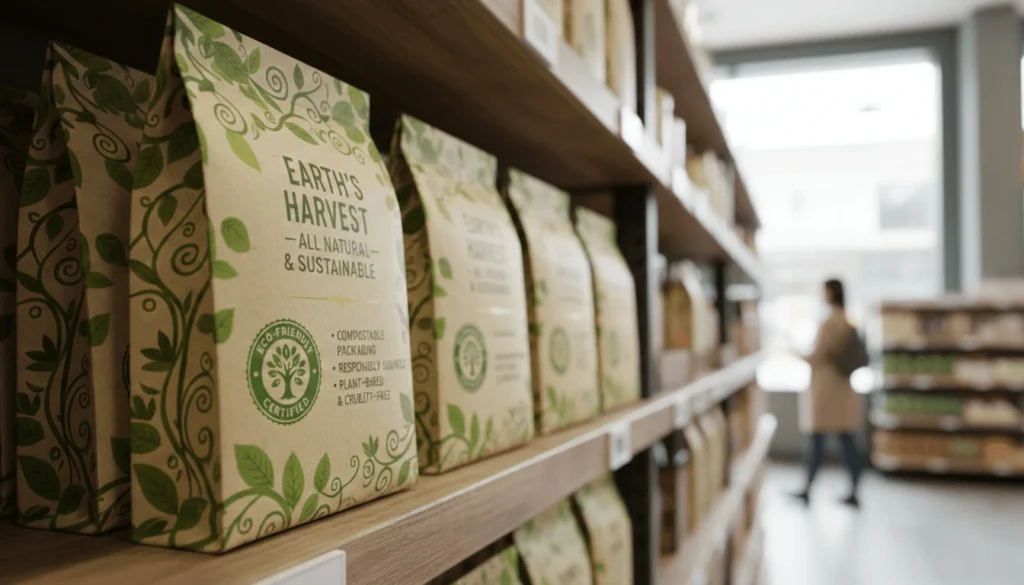
What Does “Eco-Friendly” Mean?
The term eco-friendly refers to products, services, or practices designed to reduce environmental harm. Unlike natural claims, eco-friendly messaging centers on sustainability and environmental responsibility. However, eco-friendly is also not strictly regulated, which means interpretation can vary.
Environmental Impact Considerations
An eco-friendly product typically aims to:
- Reduce carbon emissions
- Minimize pollution
- Use renewable or recycled materials
- Conserve energy or water
- Decrease waste production
Common examples include:
- Biodegradable packaging
- Solar-powered electronics
- Energy-efficient appliances
- Recycled paper goods
Yet, eco-friendly does not necessarily mean that the product is sustainable throughout its entire lifecycle. For instance, a recyclable item may still require energy-intensive production methods.
Greenwashing Concerns
One of the biggest challenges with eco-friendly labeling is greenwashing, a marketing strategy where companies exaggerate environmental claims to attract conscious consumers. To avoid greenwashing:
- Look for third-party certifications
- Research brand sustainability reports
- Verify claims beyond packaging slogans
Trusted environmental certifications often provide more reliable validation than generic eco-friendly claims. Eco-friendly focuses on environmental sustainability but does not automatically ensure organic ingredients or chemical-free production.

What Does “Organic” Mean?
Among the three terms, organic is the most clearly regulated and standardized, especially in food and agriculture. Organic certification guarantees compliance with strict production and processing requirements.
Farming Practices
Organic farming prohibits synthetic pesticides, chemical fertilizers, Genetically modified organisms (GMOs) and artificial additives. Instead, organic agriculture emphasizes:
- Natural soil enrichment
- Crop rotation
- Biological pest control
- Ethical animal husbandry
These practices aim to promote biodiversity, soil health, and long-term environmental balance.
Certified Organic Labels
Unlike natural and eco-friendly, organic labeling often requires official certification from government-recognized bodies. In many countries, certification includes:
- Regular inspections
- Traceable ingredient sourcing
- Compliance documentation
- Strict production audits
This regulatory oversight ensures that organic products meet measurable health and environmental standards.
Organic Beyond Food
Organic principles extend beyond agriculture. Examples include:
- Organic skincare free from synthetic chemicals
- Organic cotton textiles grown without toxic pesticides
- Organic household goods made with certified ingredients
Therefore, organic standards may apply to personal care, fashion, and wellness industries. Organic products follow strict regulations and certification processes, making them more transparent and reliable than general natural claims.
Eco-Friendly vs Organic: What’s the Difference?
Although both terms promote sustainability, they are not interchangeable.
| Feature | Natural | Eco-Friendly | Organic |
|---|---|---|---|
| Regulation | Minimal | Limited | Strict |
| Focus | Ingredient origin | Environmental impact | Farming & production standards |
| Certification | Rare | Optional | Required in most countries |
| Health standards | Not guaranteed | Not guaranteed | Strictly monitored |
For example:
- A clothing brand using recycled polyester may be eco-friendly but not organic.
- Organic cotton clothing may meet strict farming standards but still use non-sustainable packaging.
- A natural skincare product may contain plant-based ingredients yet lack environmental certification.
Understanding these distinctions helps consumers align purchases with personal priorities.
How to Choose Based on Your Priorities
Making the right choice depends on what matters most to you.
Prioritize Organic for Health Benefits
If your primary goal is reducing exposure to synthetic chemicals, pesticides, and GMOs, organic products are typically the safest option. Organic food and skincare products:
- Undergo rigorous certification
- Limit chemical exposure
- Avoid genetically modified ingredients
- Meet traceability standards
For families concerned about long-term health, organic options often provide greater assurance.
Choose Eco-Friendly to Reduce Environmental Impact
If your focus is sustainability, pollution reduction, and climate responsibility, eco-friendly products may align better with your values. Look for products that:
- Use renewable materials
- Minimize packaging waste
- Reduce carbon emissions
- Support ethical sourcing
However, always verify environmental claims through credible certifications.
Be Cautious with “Natural” Claims
Since natural is loosely regulated, it should not be the sole factor in purchasing decisions. Before buying:
- Read ingredient lists carefully
- Research the brand’s transparency
- Check for third-party verification
- Avoid vague marketing slogans
Ultimately, informed consumers reduce the impact of misleading advertising.
The Role of Certifications in Consumer Trust
Certifications provide accountability where marketing language falls short. Third-party verification helps ensure:
- Transparent sourcing
- Ethical production
- Environmental compliance
- Consumer safety standards
Without certification, claims remain largely self-declared. Therefore, educated buyers prioritize verified labels over unregulated buzzwords.
Health, Sustainability, and Ethical Consumption
Modern consumer behavior reflects growing awareness of the interconnected relationship between:
- Personal health
- Environmental protection
- Ethical labor practices
- Climate responsibility
While organic standards emphasize health and agricultural integrity, eco-friendly practices focus on long-term ecological sustainability. Meanwhile, natural claims may appeal to simplicity but require careful scrutiny. Balancing these factors depends on individual values and lifestyle priorities.
How to Shop Smarter in a Marketing-Driven World
To make conscious purchasing decisions:
- Read beyond front-label claims
- Research certification standards
- Support transparent brands
- Compare ingredient sourcing
- Evaluate product lifecycle impact
By applying critical thinking, consumers can move beyond marketing trends and make truly informed choices.
Conclusion
While “natural,” “eco-friendly,” and “organic” may appear similar at first glance, they represent different standards and priorities.
- Natural is often loosely defined and primarily marketing-driven.
- Eco-friendly centers on reducing environmental harm but may lack strict regulation.
- Organic follows clearly defined agricultural and production standards with certification requirements.
By understanding these distinctions, consumers can align purchases with their health goals, sustainability values, and ethical preferences.
Ultimately, conscious consumption begins with education. When you understand product labeling, you gain the power to make decisions that benefit not only your family but also the planet.