
Key Points
- OTA is a membership-based trade association that represents a diverse range of stakeholders, including organic farmers, processors, retailers, and distributors;
- Organic food sales in the U.S. exceeded $60 billion in 2023, reflecting increasing consumer demand for organic products;
- The OTA fosters collaboration among organic industry stakeholders by organizing events, conferences, and networking opportunities.
- Organic Certification Cost Share Program (OCCSP) provide financial relief by reimbursing a portion of certification costs to the organic farmers;
- Some smaller organic farmers and advocacy groups have expressed concerns that the OTA’s policies sometimes favor large agribusinesses over small-scale farmers
Founded in 1985, The Organic Trade Association (OTA) is a membership-based trade association that represents a diverse range of stakeholders, including organic farmers, processors, retailers, and distributors. The organization’s primary mission is to promote and protect the integrity of organic agriculture and trade in the United States.
The OTA works to advance organic standards, ensuring that the industry maintains high levels of transparency, sustainability, and consumer trust. By advocating for policies that support organic farmers and businesses, the association helps to expand the availability and affordability of organic products while maintaining rigorous certification standards.
- Key Functions of the OTA
The OTA operates in several key areas to support the organic industry:
1.1 Consumer Education and Market Development
The OTA actively promotes organic products through consumer education initiatives. By providing research, resources and marketing campaigns, the association helps to raise awareness of the benefits of organic food and farming. OTA publishes annual reports on the state of the organic industry. These reports provide valuable insights into market trends, consumer behaviour and industry growth. With a focus on health, environmental sustainability and ethical farming practices, the organisation conducts educational campaigns to inform consumers about the benefits of organic food.
1.2 Industry Collaboration and Networking
The OTA fosters collaboration among organic industry stakeholders by organizing events, conferences, and networking opportunities. Through initiatives such as the Organic Leadership Awards and the annual Organic Week in Washington, D.C., the association brings together industry leaders, policymakers, and advocates to discuss challenges and opportunities in organic agriculture.
1.3 Organic Fraud Prevention and Certification Integrity
To maintain consumer trust, the OTA has been actively involved in efforts to combat organic fraud. The association supports stronger enforcement of organic regulations, improved oversight of organic imports, and stricter verification processes to ensure that products labeled as organic meet the highest standards.
- Global Organic Fraud Prevention Program: The OTA collaborates with industry partners to develop strategies for preventing fraudulent organic certifications and protecting the integrity of the organic supply chain.
- Strengthening USDA Organic Regulations: The association works with the USDA to enhance certification requirements and implement stronger compliance measures.
2. The Impact of the OTA on the Organic Industry
- Expanding the Organic Market
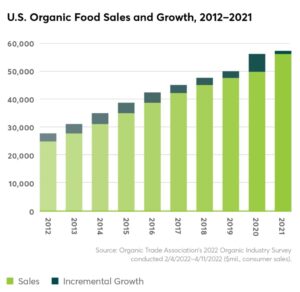
The OTA has played a significant role in the growth of the organic industry. According to OTA reports, organic food sales in the U.S. exceeded $60 billion in 2023, reflecting increasing consumer demand for organic products. The association’s advocacy efforts have contributed to increased funding for organic research, expanded certification programs, and improved access to organic products in mainstream retail markets.
- Supporting Organic Farmers
Organic farmers face unique challenges, including higher production costs, certification expenses, and competition from conventional agriculture. The OTA’s efforts to secure financial assistance, research funding, and technical support have helped organic farmers thrive. Programs like the Organic Certification Cost Share Program (OCCSP) provide financial relief by reimbursing a portion of certification costs.
- Enhancing Environmental and Health Benefits
By promoting organic agriculture, the OTA contributes to environmental sustainability and public health. Organic farming practices help reduce chemical pesticide use, protect soil and water quality, and promote biodiversity. The association’s work ensures that organic standards continue to support a healthier food system.
3. Challenges and Criticisms
Despite its successes, the OTA has faced criticism from some sectors of the organic community. Some smaller organic farmers and advocacy groups have expressed concern that OTA’s policies sometimes favor large agribusinesses over small farmers. Critics argue that the association should do more to support independent organic producers and uphold the strictest organic standards.
In addition, debates over hydroponic and greenhouse-grown organic produce have caused divisions within the organic community. Some traditional organic farmers believe that soil-based agriculture should be a requirement for organic certification, while others support a broader definition that includes innovative growing methods.
4. Future of the OTA and Organic Agriculture
As consumer demand for organic products continues to grow, the OTA will play a crucial role in shaping the future of the industry. Key areas of focus for the association moving forward include:
- Strengthening Organic Standards: Ensuring that organic certification remains rigorous and transparent.
- Expanding Market Opportunities: Supporting organic farmers and businesses through trade agreements and policy initiatives.
- Enhancing Sustainability Efforts: Advocating for policies that address climate change, soil health, and regenerative agriculture.
- Promoting Diversity and Inclusion: Encouraging a more diverse and inclusive organic industry by supporting small-scale and minority farmers.