
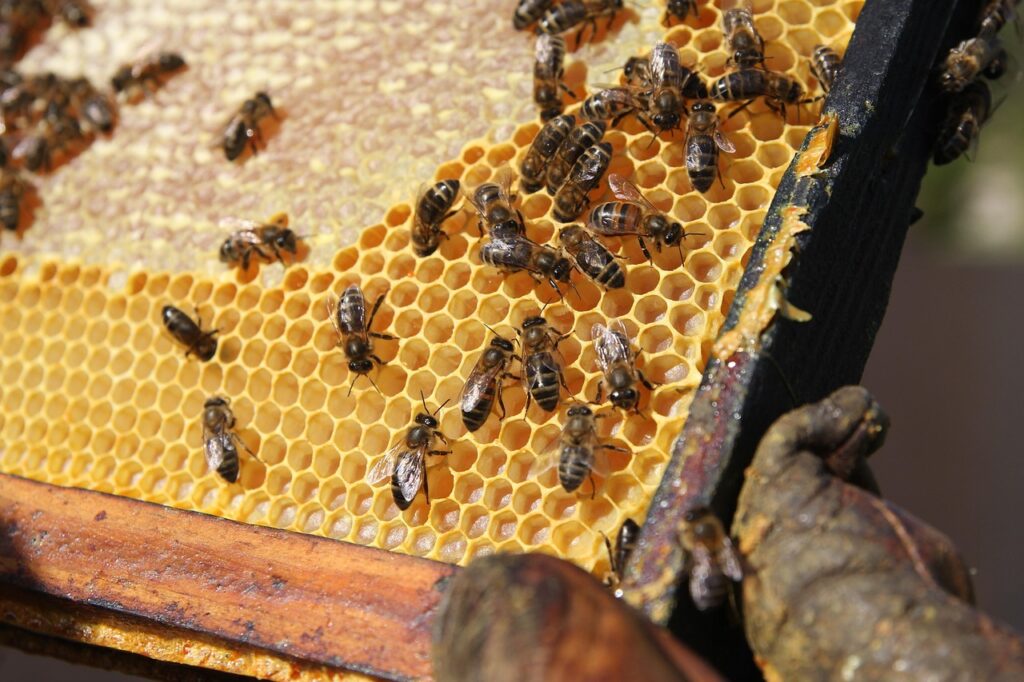
Royal jelly is a highly nutritious substance produced by worker bees to nourish the queen bee. It’s rich in vitamins, minerals, amino acids, and antioxidants. For centuries, royal jelly has been used in traditional medicine. Recently, it has gained attention for its potential to support hormone balance, particularly for women.
1.What is Royal Jelly? (1)
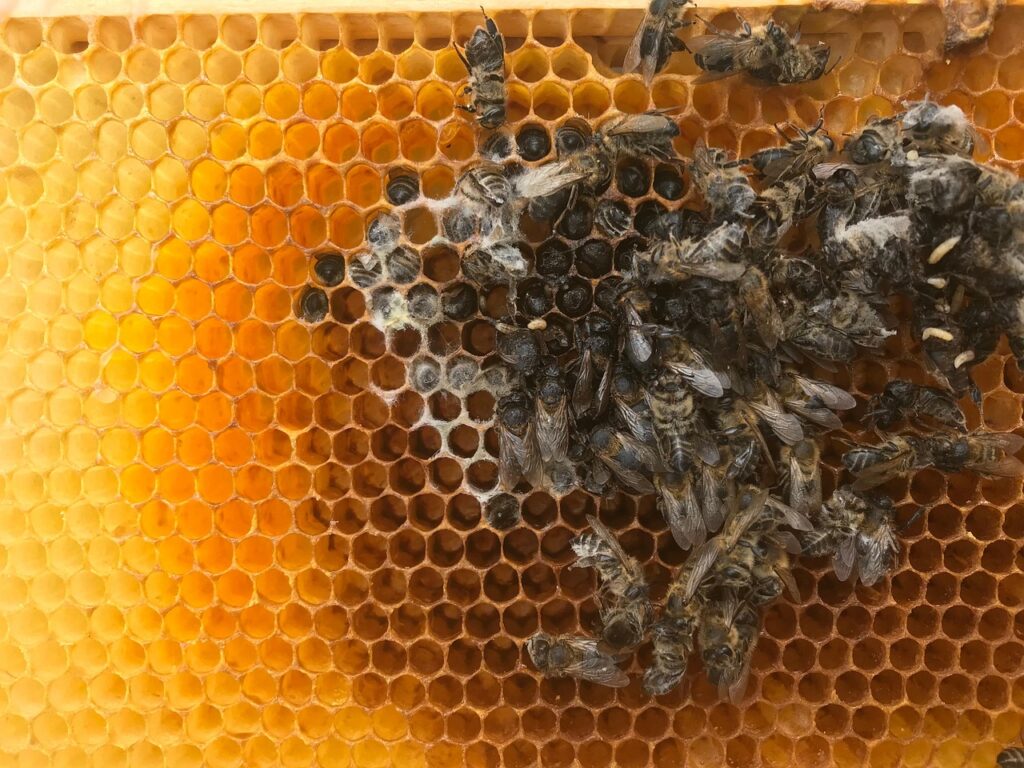
Royal jelly is a milky secretion produced by worker bees, and it’s fed to the queen bee throughout her life. It’s packed with nutrients like B vitamins, amino acids, fatty acids, and enzymes, making it a powerful superfood. Some studies have suggested that royal jelly may offer a range of health benefits, from boosting the immune system to improving skin health. But one of its most intriguing properties is its potential effect on hormone regulation.
2. How Does Royal Jelly Affect Hormones?
2.1 Royal jelly may mimic the effects of estrogen in the body
Royal jelly contains compounds known as “phytoestrogens,” which may mimic the effects of estrogen in the body. Estrogen is a key hormone that regulates many bodily functions in both men and women. In women, it plays a vital role in reproductive health, menstrual cycles, and menopause. As we age, estrogen levels naturally decline, leading to common symptoms like hot flashes, mood swings, and irregular periods.
Some studies suggest that the phytoestrogens in royal jelly may help alleviate symptoms of hormonal imbalances by mimicking estrogen. This makes it particularly beneficial for women experiencing menopause or premenstrual syndrome (PMS).
For example, a study published in the Journal of Medicinal Food (2014) examined royal jelly’s estrogenic activity and found that it contains compounds with mild estrogen-like effects. These compounds could help alleviate symptoms related to estrogen deficiency, such as those experienced during menopause.
Additionally, animal studies published in Bioscience, Biotechnology, and Biochemistry have highlighted the estrogenic properties of royal jelly. These studies suggest that royal jelly may help balance hormonal levels by interacting with estrogen receptors in the body
2.2 Royal jelly may help support adrenal function
The adrenal glands, located above the kidneys, produce several important hormones, including cortisol (the stress hormone) and adrenaline. These glands are crucial for maintaining hormonal balance, especially during stress.
Research shows that royal jelly may support adrenal function. It may reduce the negative effects of chronic stress on hormone production. By supporting the adrenal glands, royal jelly may help lower cortisol levels and balance hormones.
Animal studies in Neuro Endocrinology Letters (2007) found that royal jelly can regulate adrenal function by reducing cortisol. Clinical trials also suggest that royal jelly may reduce the harmful effects of stress on the endocrine system. Most of this research is based on animals, but the results are promising.
2.3 Royal jelly can help improve insulin sensitivity
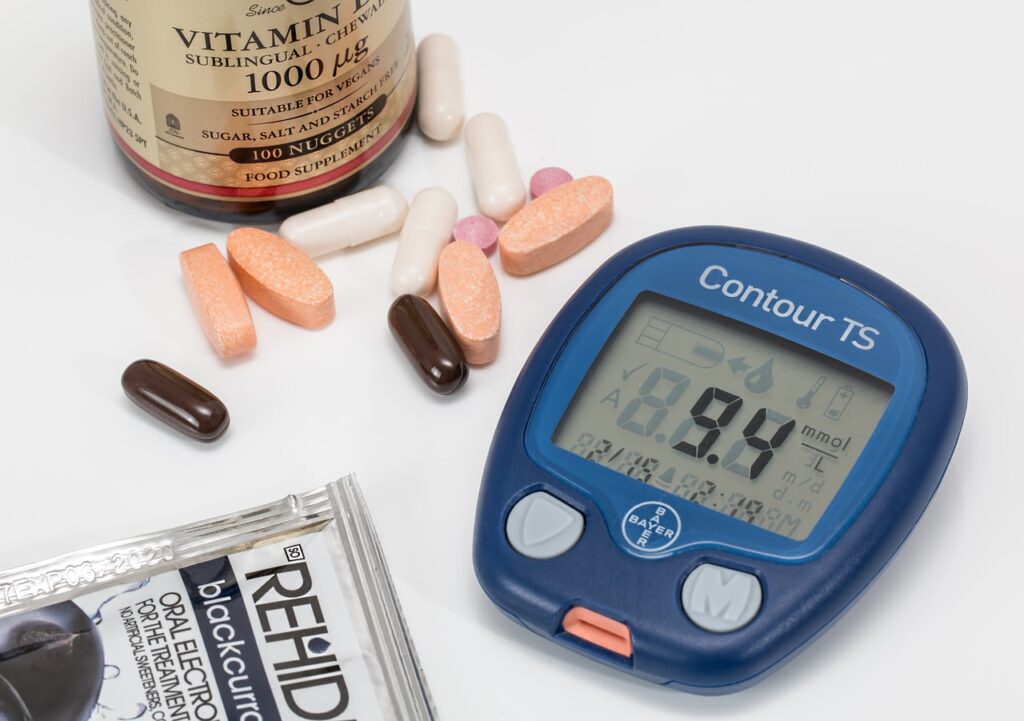
Insulin is a hormone produced by the pancreas that regulates blood sugar levels. Imbalances in insulin can lead to conditions such as insulin resistance, which may contribute to hormonal disruption. Some studies have indicated that royal jelly can help improve insulin sensitivity, which may, in turn, support better hormonal balance. effectively, a study in The Journal of Nutritional Biochemistry (2009) found that royal jelly supplementation could help improve insulin sensitivity, potentially aiding in better glucose control and hormonal balance. Other study published in Phytotherapy Research (2013) highlighted the beneficial effects of royal jelly on blood sugar regulation and insulin resistance in animal models, suggesting its potential to support hormonal balance.
2.4 Royal jelly may enhance ovarian health

In animal studies, royal jelly has shown potential in enhancing ovarian health and improving reproductive function. For women, optimal ovarian function is critical for regular ovulation and maintaining balanced hormone levels. While more research is needed to understand the full scope of royal jelly’s effects on female reproductive hormones, early findings are promising. In this context, research published in Reproductive Biology and Endocrinology (2011), have suggested that royal jelly may improve ovarian function and fertility by regulating the secretion of reproductive hormones. In the same context, research published in Journal of Ethnopharmacology (2007) discussed royal jelly’s potential effects on the female reproductive system, though human studies are still limited in scope.
3. Royal Jelly and Menopause Relief

As women approach menopause, estrogen levels decline. This can lead to symptoms like hot flashes, night sweats, and mood swings. Some studies suggest that royal jelly may help relieve these symptoms by supporting estrogen-like activity in the body. Royal jelly’s ability to balance hormones has made it a popular natural remedy for women seeking alternatives to hormone replacement therapy (HRT).
A clinical trial published in Menopause (2010) examined royal jelly’s effects on menopausal symptoms. The study found that women who took royal jelly showed improvements in certain symptoms, indicating its potential in hormone regulation during menopause. Another study published in Climacteric (2015) suggested that royal jelly could serve as a natural alternative to HRT in alleviating symptoms of estrogen deficiency.
4. Incorporate Royal Jelly into Your Diet
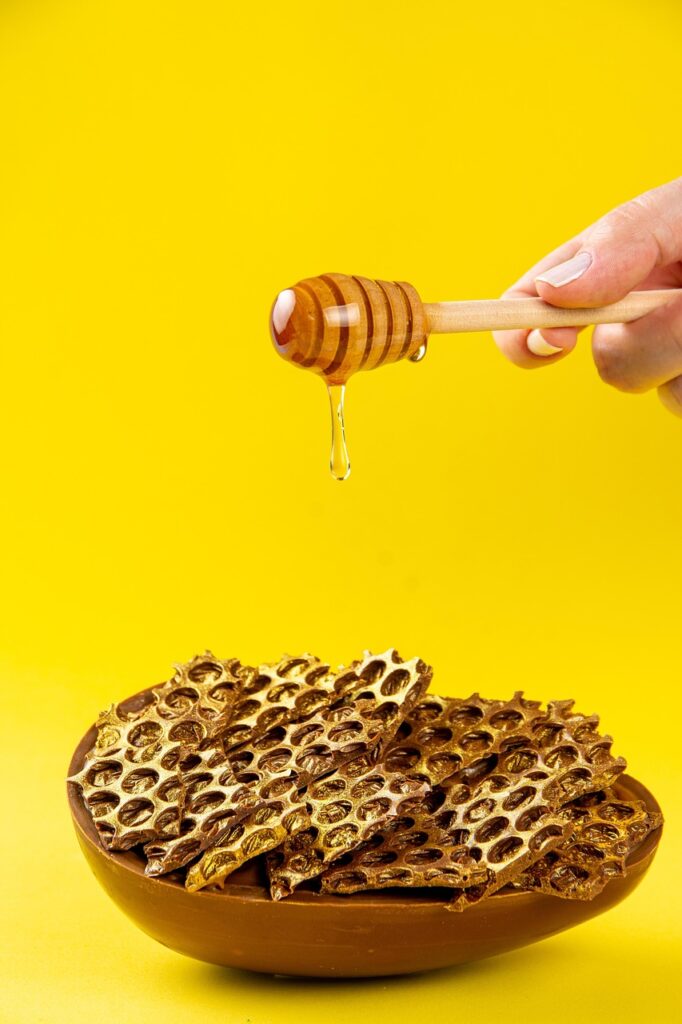
Royal jelly is typically available in various forms, including capsules, powders, and fresh. If you’re looking to incorporate royal jelly into your diet, here are some tips:
- Capsules or Tablets: One of the easiest ways to take royal jelly is in capsule or tablet form. These can be found in most health food stores and online.
- Royal Jelly in Smoothies: Fresh royal jelly can be added to smoothies for an extra nutritional boost. Just mix it with your favorite fruits, vegetables, and a protein source.
- Honey and Royal Jelly: Some people mix royal jelly with honey to create a delicious and health-boosting combination. This is a great way to enjoy the benefits of both superfoods.
5. Is Royal Jelly Safe?
Royal jelly is generally safe for most people. However, it can cause allergic reactions in some, especially those allergic to bee products. If you are allergic to honey, bee pollen, or bee stings, consult a healthcare professional before using royal jelly.
Pregnant or breastfeeding women should also speak with their healthcare provider before using royal jelly, as research on its safety for these groups is limited.