

Genetically modified food has become one of the most debated topics in modern agriculture and nutrition. From genetically engineered crops like Bt cotton and Roundup Ready soybeans to enhanced varieties such as Golden Rice, GMOs have revolutionized food production. But with this innovation comes controversy—Are GMOs safe? Do they provide better nutrition? What are the ethical concerns?
Supporters argue that genetically modified foods help increase crop yields, reduce pesticide use, and enhance food security. However, critics raise concerns about health risks, environmental impact, and corporate control over seeds. Regulatory bodies like the FDA, WHO, and USDA have studied GMO safety, but the debate continues.
In this article, we’ll explore the truth about genetically modified food, breaking down safety concerns, nutritional value, ethical dilemmas, and the future of GMOs. By the end, you’ll have a clearer understanding of whether genetically modified food is a solution for global challenges or a risk to human health and the environment.
1. What Is Genetically Modified Food?
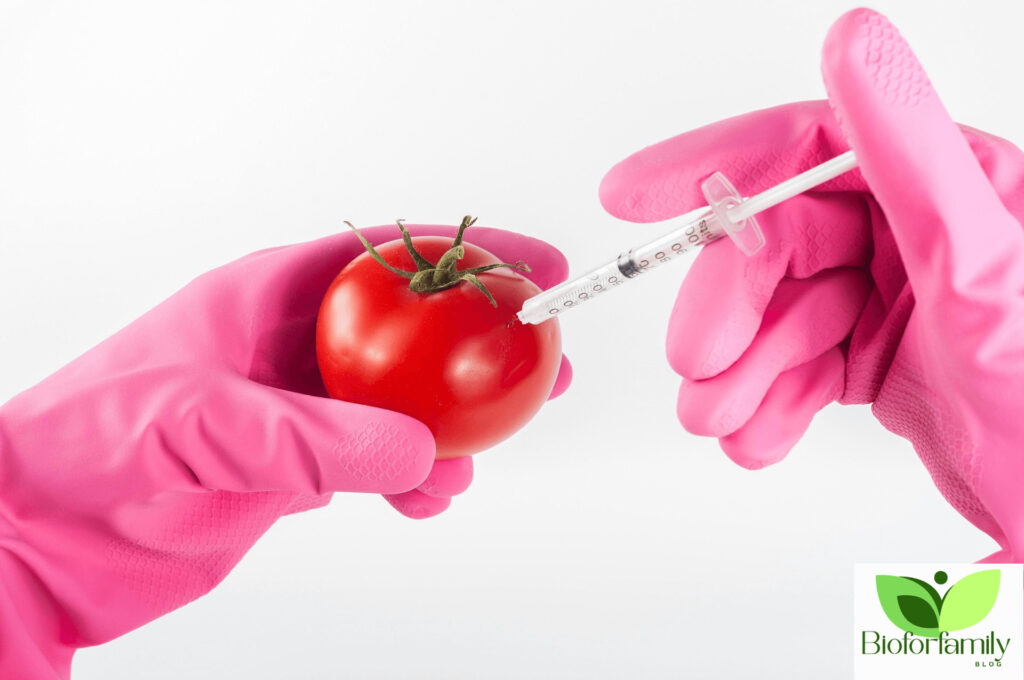
Genetically modified (GM) food refers to food that has been altered through genetic engineering techniques to achieve specific desired traits. These traits can include resistance to pests, tolerance to herbicides, improved nutritional content, or longer shelf life. By directly modifying the DNA of crops, scientists can introduce or remove specific genes that lead to these benefits.
1.1 How Are Genetically Modified Foods Created?
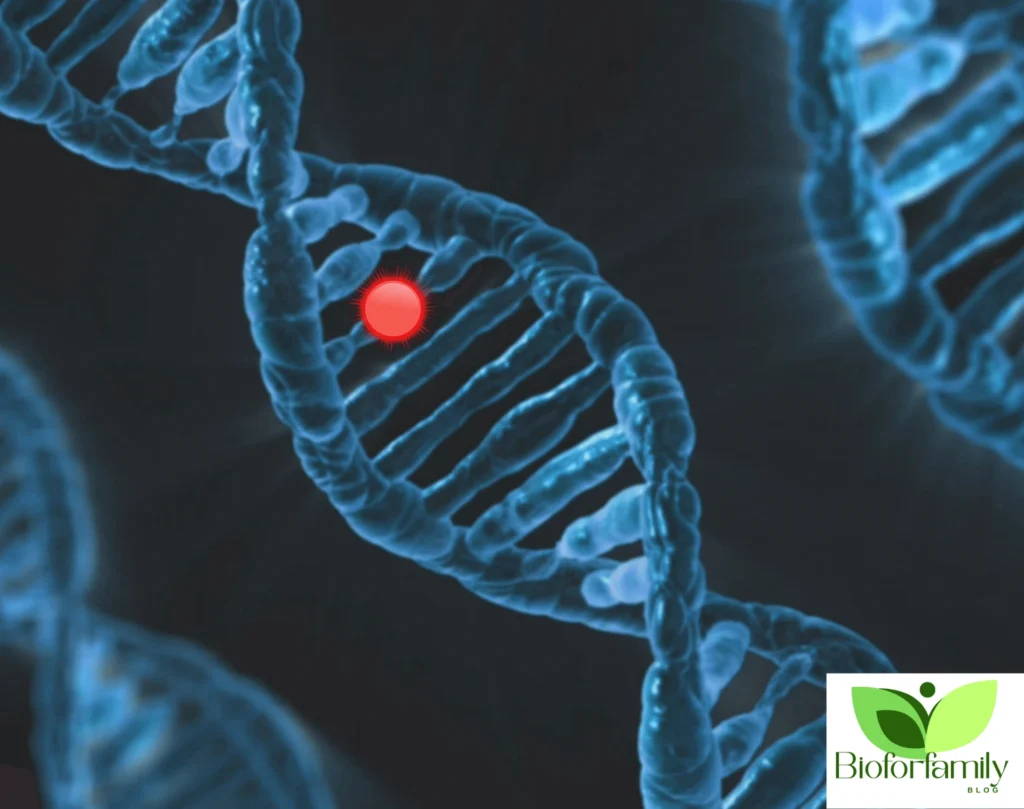
The process of creating genetically modified organisms (GMOs) typically involves the following steps:
- Gene Identification: Scientists identify and isolate the gene responsible for a particular trait, such as pest resistance in a certain plant species.
- Gene Insertion: Scientists use methods like gene splicing or bacterial vectors to insert the identified gene into the DNA of the target crop,
- Testing and Growth: After insertion, we test the modified crops for desired traits and grow them in controlled environments to confirm their expected performance.
- Regulatory Approval: Before reaching consumers, GMOs undergo rigorous testing and approval processes by regulatory bodies like the FDA, USDA, and EFSA.
1.2 Common Genetically Modified Crops
Some of the most widely recognized genetically modified crops include:
- Bt Corn: Corn modified to produce a toxin from the bacterium Bacillus thuringiensis, which kills certain pests like the European corn borer.
- Roundup Ready Soybeans: Soybeans modified to tolerate the herbicide glyphosate, allowing farmers to control weeds without harming the crop.
- Golden Rice: A type of rice engineered to produce beta-carotene, a precursor of vitamin A, to combat malnutrition in developing countries.
- Bt Cotton: Cotton genetically altered to resist bollworm pests, reducing the need for chemical insecticides.
These crops are just a few examples of how biotechnology is used to improve agricultural efficiency and food production. With these advances, genetically modified foods have the potential to feed a growing global population while also addressing environmental challenges
2. The Safety of Genetically Modified Food
One of the most common concerns regarding genetically modified food is its safety for human consumption. While there has been extensive research into the potential risks of GMOs, many consumers remain unsure about their safety.
2.1 Are GMOs Safe for Human Consumption?
Numerous scientific studies and evaluations by regulatory bodies like the FDA, WHO, and EFSA confirm that genetically modified foods are safe for human consumption. These organizations rigorously test GMOs to ensure they meet the same safety standards as conventional foods. Before approval for sale, GMOs undergo testing for potential allergenicity, toxicity, and unintended side effects.
2.2 Scientific Studies on GMO Health Effects
Over the past few decades, numerous studies have been conducted to assess the long-term health effects of genetically modified foods. A 2016 study published in Critical Reviews in Biotechnology concluded that GMOs are no more risky than conventional crops. While there have been isolated studies suggesting potential risks, the overwhelming consensus in the scientific community is that GMOs are no more harmful than their non-GMO counterparts.
2.3 Global GMO Regulations and Food Safety Standards
Countries worldwide enforce strict GMO regulations to protect consumer safety. In the United States, the FDA evaluates GMOs through a voluntary consultation process, while the European Union requires comprehensive safety assessments before approval. These regulatory processes ensure that genetically modified foods are safe for both human consumption and the environment
3. Nutritional Value of Genetically Modified Foods

One of the primary goals of genetic modification is to enhance the nutritional content of crops, making them healthier and more beneficial for human consumption. While scientists design many genetically modified foods for pest resistance or herbicide tolerance, they have also developed some to provide specific nutritional benefits
3.1 Do GMOs Provide More or Fewer Nutrients?
The nutritional value of genetically modified foods can be comparable to their non-GMO counterparts. In fact, some GMOs have been specifically engineered to provide additional nutrients. For example, Golden Rice produces higher levels of beta-carotene, a vital nutrient that can help combat vitamin A deficiency in developing countries.
3.2 Comparison of GMO vs. Organic Food Nutrition
When it comes to nutritional content, studies have found little to no significant difference between GMO and organic foods. For instance, both types of corn or soybeans have similar levels of proteins, fats, and carbohydrates. The key difference lies in how the crops grow. GMOs are often more resistant to pests and diseases, reducing the need for pesticides, while organic foods focus on non-synthetic farming practices.
3.3 Examples of GMOs Designed for Better Nutrition
- Golden Rice: Engineered to produce more vitamin A to prevent blindness and other health issues in regions where rice is a staple food.
- Bt Cotton: Scientists have developed genetically modified cotton varieties to resist disease, indirectly benefiting the cotton industry by increasing crop yields.
- High-Oleic Soybeans: Engineered to produce oils that are more heart-healthy by containing higher levels of monounsaturated fats.
4. Ethical Concerns and Environmental Impact of GMOs

While genetically modified foods have many potential benefits, they also raise ethical and environmental concerns. From the corporate control of seeds to the impact on biodiversity, these concerns continue to be points of heated debate.
4.1 Debate Over GMO Labeling and Consumer Rights
One of the most significant ethical debates surrounding GMOs is the issue of labeling. Many consumers believe they should have the right to know if their food contains genetically modified ingredients, while others argue that mandatory labeling is unnecessary if GMOs are safe. In several countries, such as the European Union, GMO labeling is mandatory, while in others, such as the United States, it’s more of a contentious issue.
4.2 Impact of GMO Crops on Biodiversity and Ecosystems
Genetically modified crops, especially those designed to resist herbicides and pesticides, have raised concerns about their impact on the environment. Critics argue that widespread planting of herbicide-resistant crops can lead to the development of herbicide-resistant weeds, creating an ecological imbalance. Furthermore, cross-pollination between genetically modified crops and non-GMO crops can potentially affect biodiversity.
4.3 Corporate Control and Patents on GMO Seeds
Another significant ethical concern is the control that large biotech companies (like Monsanto and Bayer) have over genetically modified seeds. These companies hold patents on many genetically modified crops. Therefore, farmers must buy new seeds each season instead of saving and replanting their own. This monopolistic control has raised concerns about the sustainability of small-scale farming. In addition to the ethical implications of corporate dominance in agriculture.