
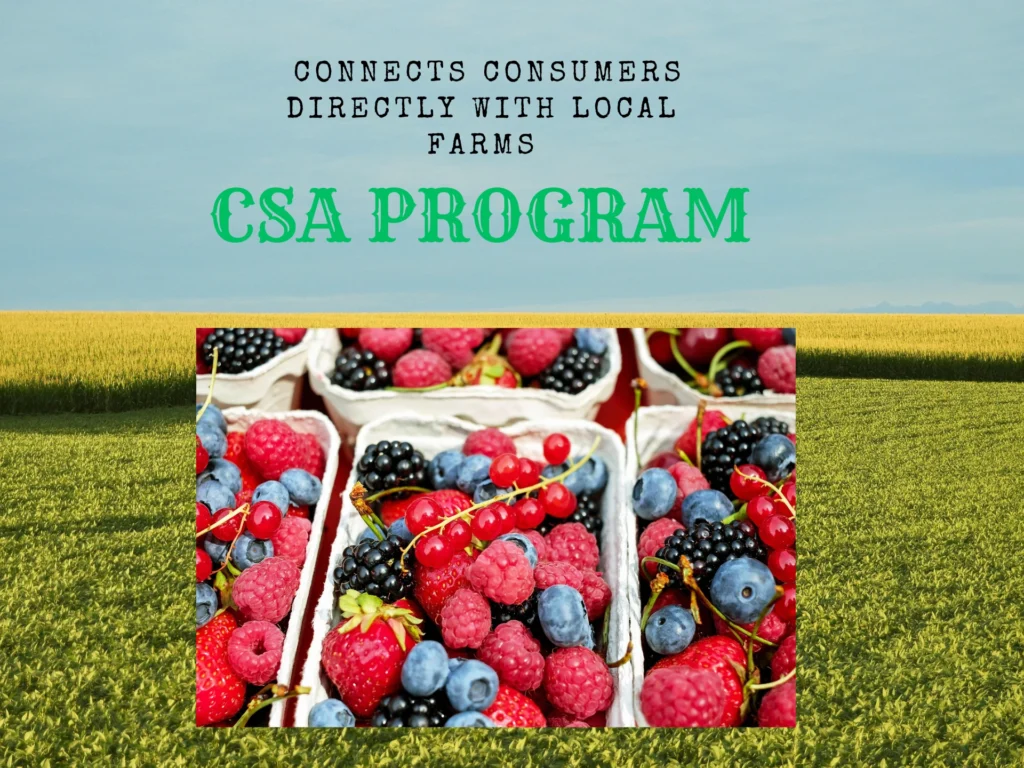
If you’re looking for a fresh, sustainable way to enjoy local produce, a CSA program might be the perfect solution. Community Supported Agriculture (CSA) connects consumers directly with local farms, offering a subscription-based model where members receive fresh, seasonal produce on a regular basis.
Unlike grocery store shopping, a CSA subscription ensures that you get farm-to-table produce while directly supporting small-scale farmers. Plus, you’ll enjoy a variety of organic vegetables, fruits, and sometimes even eggs, dairy, or homemade goods—all while reducing food waste and promoting a healthier lifestyle.
But how do you find the best CSA program near you? In this guide, we’ll walk you through everything you need to know, including how CSA programs work, their benefits, what to expect in a CSA box, and tips for getting the most out of your subscription.
1.What Is a CSA Program?
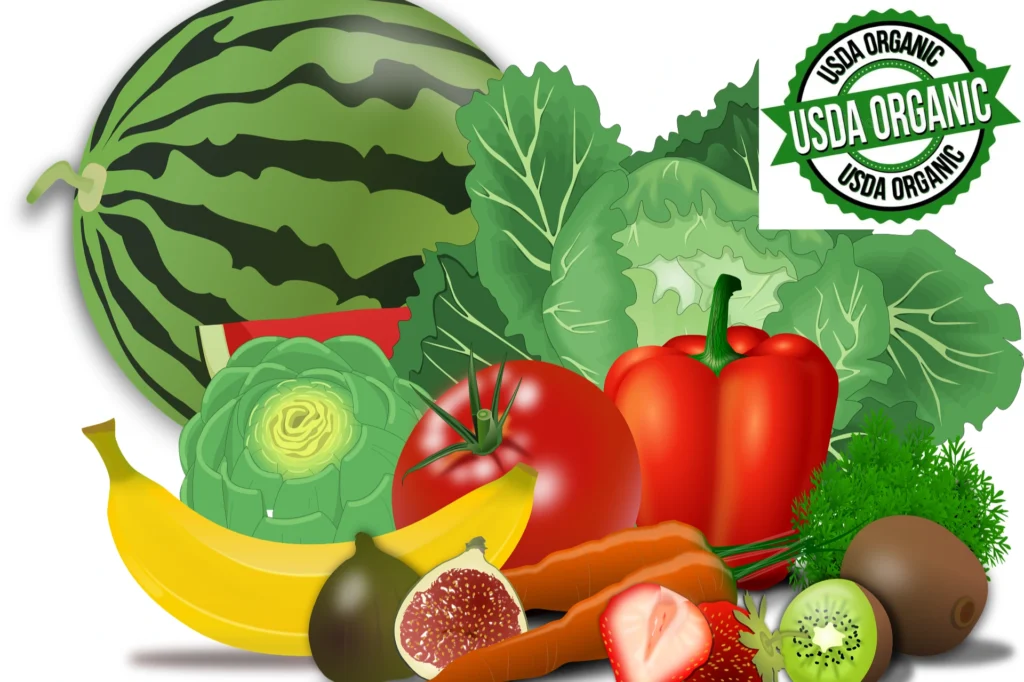
A Community Supported Agriculture (CSA) program is a partnership between local farmers and consumers who want fresh, seasonal produce. By subscribing to a CSA, members receive a weekly or bi-weekly share of farm-fresh fruits, vegetables, and sometimes other products like eggs, dairy, or homemade goods.
1.1 How Does a CSA Program Work?
The concept is simple: consumers pay upfront for a season’s worth of produce, allowing farmers to cover their costs in advance. In return, members receive a box of fresh, locally grown food throughout the season. Some CSA programs offer home delivery, while others require members to pick up their share at a designated location.
1.2 Benefits for Consumers and Farmers
- For consumers: CSA programs provide organic, seasonal, and farm-fresh produce that is often healthier and tastier than grocery store alternatives.
- For farmers: The upfront payment helps small-scale farms with financial stability and reduces the risks associated with unpredictable weather and market fluctuations.
1.3 A Brief History of CSA Programs
CSA programs started in Japan and Europe in the 1960s before making their way to the United States in the 1980s. Since then, they have grown in popularity as people seek sustainable, farm-to-table food options and stronger connections with their local food system.
2. Benefits of Joining a CSA Program
A CSA program offers more than just fresh produce, it provides a deeper connection to local farms, promotes sustainability, and supports healthier eating habits. Whether you’re passionate about organic food or want to reduce your carbon footprint, a CSA subscription can make a meaningful difference.
2.1. Access to Fresh, Organic Produce
CSA members receive seasonal, farm-fresh produce that is often harvested just hours before pickup or delivery. Unlike grocery store produce, which may travel thousands of miles, CSA fruits and vegetables are locally grown, organic, and free from harmful pesticides.
2.2. Supporting Local Farms and Sustainable Agriculture
By subscribing to a CSA, you’re directly supporting small-scale farmers and their families. This financial commitment helps farms stay in business while encouraging sustainable farming practices such as crop rotation, soil conservation, and reduced chemical use.
2.3. Better Nutrition and Healthier Eating
Eating fresh, seasonal produce encourages healthier meals and a more diverse diet. Since CSA boxes often contain a variety of fruits and vegetables, members are inspired to try new foods and cook homemade meals instead of relying on processed options.
2.4. Reducing Food Waste and Promoting Food Security
CSA programs focus on seasonal and locally available food, reducing the need for excessive packaging and long-distance transportation. Many farms also use “imperfect” produce that grocery stores might reject, helping to minimize food waste while providing members with high-quality, nutritious food.
3.How to Find the Best CSA Program Near You
With so many CSA programs available, choosing the right one can feel overwhelming. However, by considering factors like location, produce variety, and delivery options, you can find a CSA that fits your lifestyle and dietary needs. Here’s how to start your search.
3.1. Use Online Directories and Farm Databases
Many websites list CSA programs by location, making it easy to find one near you. Some helpful resources include:
- LocalHarvest : A comprehensive directory of CSA programs, farmers’ markets, and organic farms.
- USDA CSA Directory: A government database of registered CSA programs across the U.S.
- EatWild : Focuses on sustainable and pasture-based farms, including CSA programs.
3.2. Visit Farmers’ Markets and Local Farm Cooperatives
Many CSA farms sell their produce at farmers’ markets, making them a great place to ask farmers about their subscription programs. You can also check with local food cooperatives, which often partner with CSA farms to offer community-supported produce shares.
3.3. Check Subscription Options and Delivery Services
Each CSA program is different, some offer weekly or bi-weekly shares, while others allow you to customize your box. Consider these factors:
- Pick-up vs. delivery : Some CSAs deliver to your home, while others require pickup at a set location.
- Produce variety : Some programs focus on vegetables only, while others include fruit, eggs, dairy, or even meat.
- Season length : Some CSAs operate year-round, while others run from spring to fall.
3.4. Read Reviews and Talk to Local Farmers
Before committing, read online reviews or ask past members about their experience. Many CSA farms also hold open house events where you can tour the farm and meet the farmers before signing up.
4.What to Expect in Your CSA Box
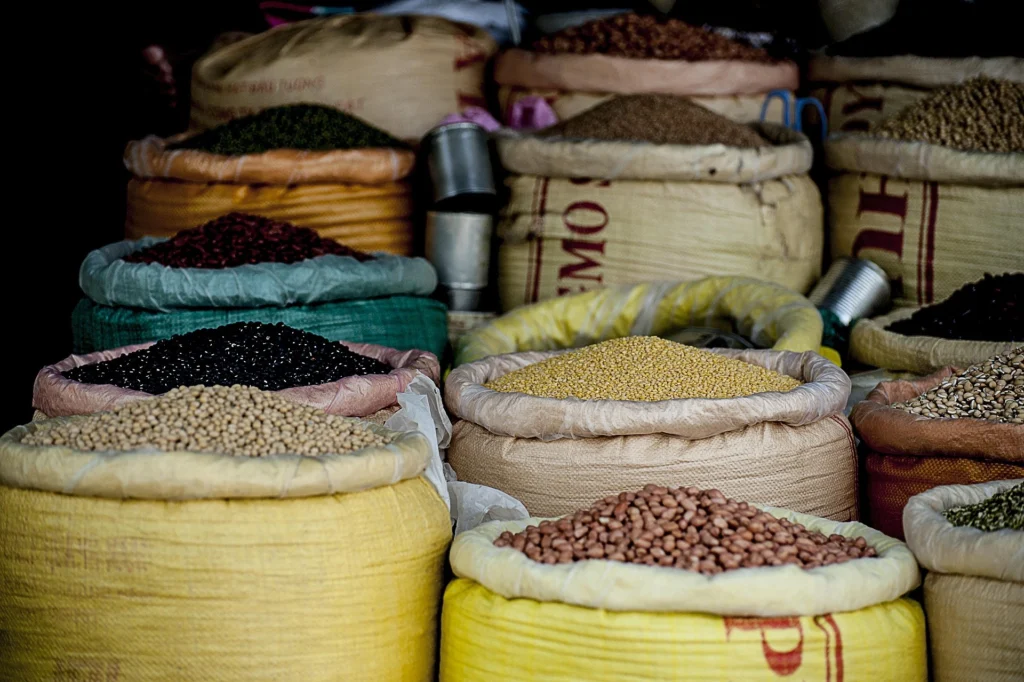
One of the most exciting parts of joining a CSA program is receiving a fresh, seasonal box of farm-grown produce. But what exactly comes in a CSA box? While the contents vary by farm and season, here’s a general idea of what you can expect.
4.1. Seasonal Vegetables and Fruits
Your CSA box will be filled with fresh, locally grown vegetables and fruits that change with the seasons. Some common items include:
- Spring: Leafy greens, asparagus, radishes, strawberries
- Summer: Tomatoes, zucchini, bell peppers, melons, berries
- Fall: Squash, pumpkins, apples, kale, carrots
- Winter (if available): Root vegetables, cabbage, citrus fruits
4.2. Dairy, Eggs, and Meats (If Available)
Some CSA programs offer add-ons like farm-fresh eggs, milk, cheese, and even pasture-raised meats. These options provide a farm-to-table experience beyond just produce, ensuring high-quality, ethically sourced products.
4.3. Homemade or Farm-Produced Goods
Many CSAs include small-batch, farm-made products, such as:
- Freshly baked bread
- Local honey and jams
- Herbal teas and dried spices
- Handmade soaps or natural skincare products
4.4. Recipe Ideas and Cooking Tips
To help members make the most of their produce, many CSA programs include seasonal recipes and cooking tips. These guides can introduce you to new vegetables and inspire you to try delicious farm-fresh meals.
Every CSA box is a surprise filled with high-quality, seasonal food, making mealtime more exciting and sustainable.
5.Tips for Making the Most of Your CSA Subscription

Once you’ve signed up for a CSA program, the next step is to make the most of your fresh, seasonal produce. Here are some helpful tips to ensure you’re getting the full benefits of your CSA subscription.
5.1. Meal Planning with Seasonal Ingredients
One of the keys to enjoying your CSA box is planning meals around seasonal ingredients. Since the contents of your box can change week to week, consider planning meals that use ingredients you already have. For example, you can create soups, stir-fries, or salads that incorporate the vegetables and fruits you receive each week.
5.2. Proper Storage of Fresh Produce
To extend the shelf life of your farm-fresh produce, it’s important to store it properly. Here are some tips:
- Store leafy greens in a damp paper towel and place them in a sealed bag in the fridge.
- Keep root vegetables like carrots and beets in the fridge’s crisper drawer.
- Use ventilated containers for vegetables like tomatoes or peppers to prevent mold.
- Freeze excess fruits or vegetables (like berries, tomatoes, or leafy greens) for use later in soups, smoothies, or sauces.
5.3. Sharing a CSA Membership
If you find that the weekly or bi-weekly box is too much for one person, consider sharing a CSA membership with family or friends. This way, you can split the produce and enjoy a wider variety of items without feeling overwhelmed by the quantity.
5.4. Try New Recipes and Experiment with Different Vegetables
One of the most fun aspects of a CSA program is discovering new foods. Don’t be afraid to try vegetables you’ve never cooked with before. If you’re unfamiliar with an ingredient, search for new recipes online or ask the CSA farm for cooking tips. This is a great way to make the most of every item in your box.