
The farm-to-table concept connects consumers directly to farmers, ensuring fresh produce, fewer preservatives, and a more transparent food system. Unlike industrial food supply chains, where food travels long distances and loses nutrients, farm-to-table meals offer maximum freshness and flavor.
But why does farm-to-table matter, and how can you incorporate it into your daily life? In this article, we’ll explore the benefits of farm-to-table eating, how it supports local farmers, and practical ways to find fresh, sustainable food in your area. Whether you’re looking to improve your health, reduce your environmental impact, or simply enjoy better-tasting food, this movement has something to offer.
1.What is the Farm-to-Table Movement?
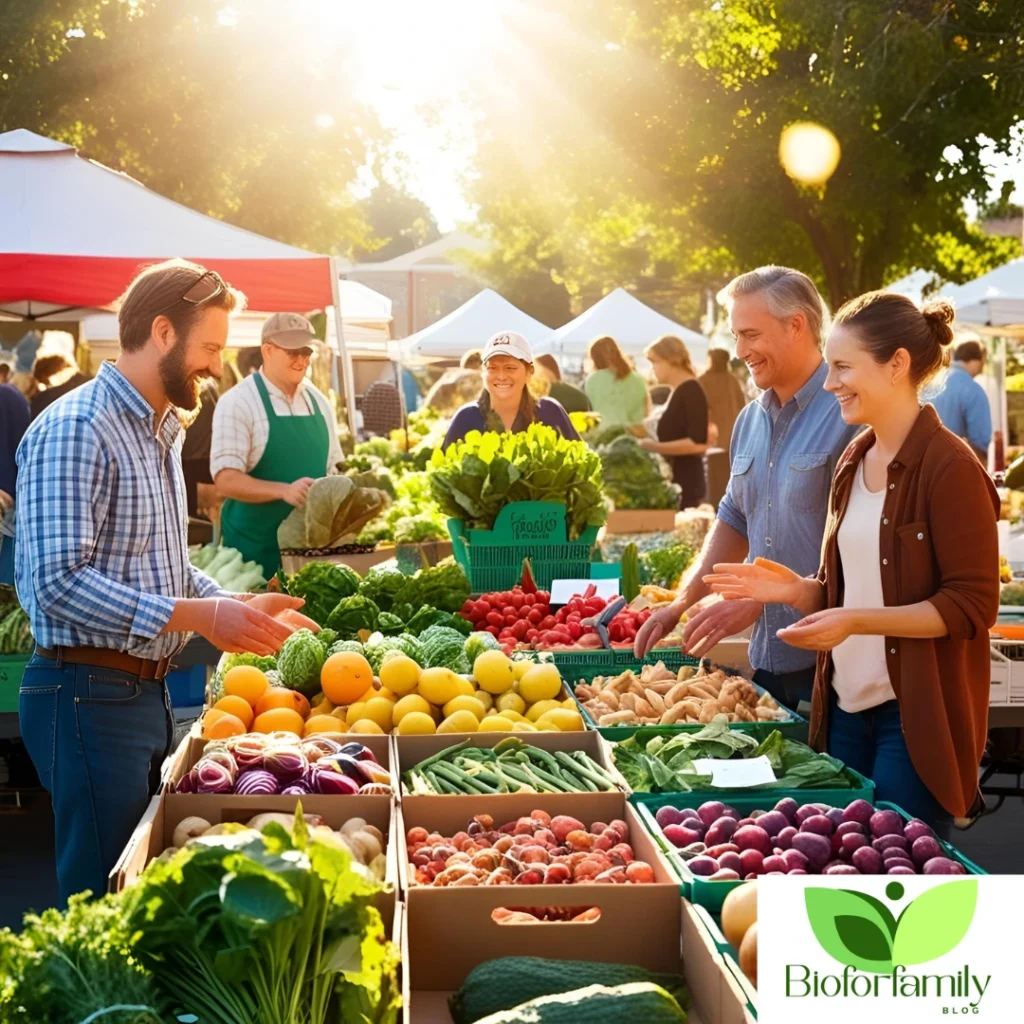
The farm-to-table movement is a food philosophy that emphasizes fresh, locally sourced ingredients delivered directly from farmers to consumers. Instead of relying on mass food production and long supply chains, farm-to-table dining ensures that food is fresher, healthier, and more sustainable.
1.1 Origins and Evolution
The concept of farm-to-table dates back centuries when people ate what they grew or sourced from nearby farms. However, with industrialization, food production became more centralized, leading to longer transportation times, food processing, and loss of nutritional value. In response, chefs, farmers, and consumers began advocating for locally sourced food, leading to the rise of farm-to-table restaurants and markets.
1.2 How Farm-to-Table Works
Farm-to-table is a supply chain model that prioritizes direct connections between farmers and consumers. Here’s how it works:
- Farmers harvest fresh produce and meat, often using sustainable farming practices.
- Food is sold directly to consumers through farmers’ markets, CSAs (Community-Supported Agriculture), or farm-to-table restaurants.
- Consumers enjoy food that is seasonal, minimally processed, and packed with nutrients.
1.3 Farm-to-Table vs. Industrial Food Supply Chains
Unlike the industrial food system, which relies on mass production, preservatives, and global shipping, farm-to-table food is fresher, supports small farmers, and reduces environmental impact. Choosing local food over mass-produced options means fewer chemicals, less waste, and a stronger local economy.
2.The Health Benefits of Eating Farm-to-Table
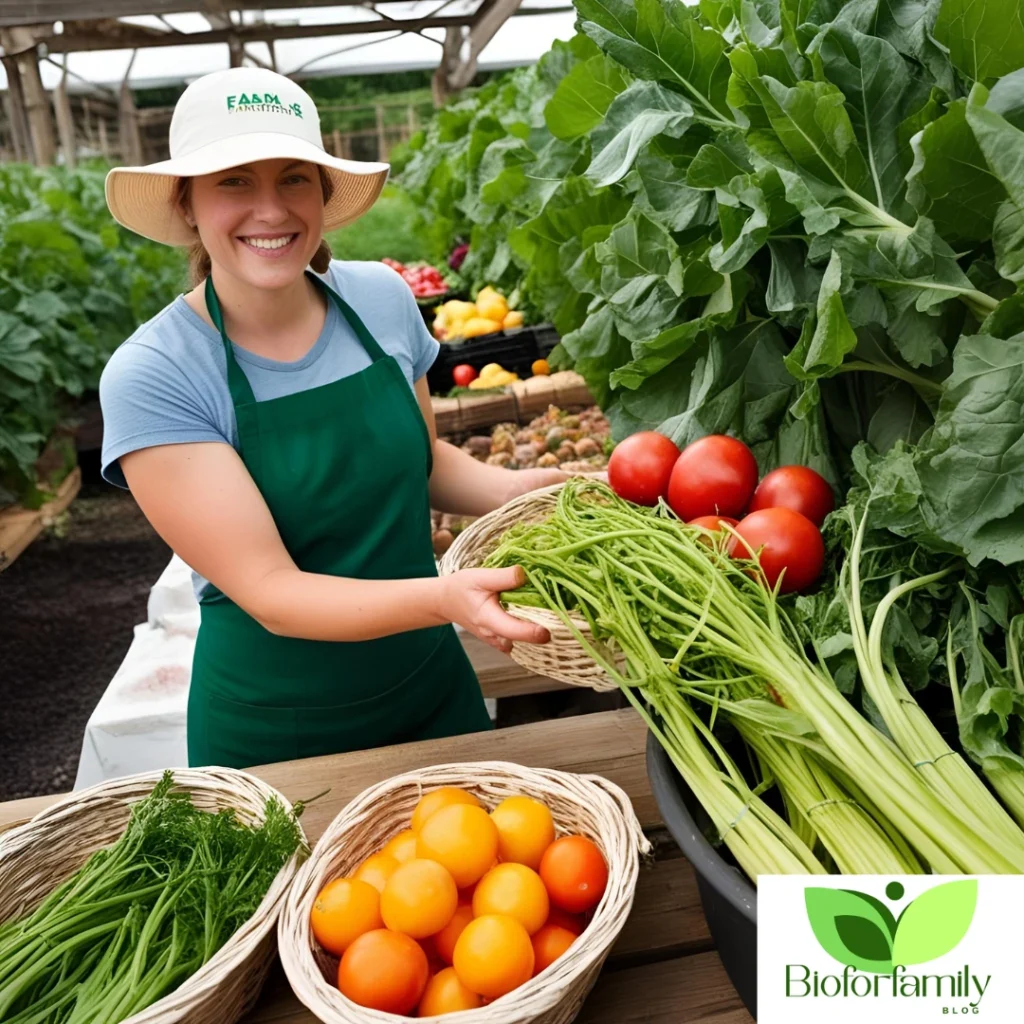
Eating farm-to-table offers healthier choices for you and your family. When you choose fresh produce and locally sourced ingredients, you’re opting for meals that are not only delicious but packed with nutrients and free from harmful additives.
2.1 Fresh Produce and Higher Nutritional Value
One of the key advantages of farm-to-table eating is the freshness of the food. When fruits, vegetables, and meats don’t need to travel long distances, they are harvested at their peak ripeness, retaining more nutrients. Unlike grocery store produce, which may have been picked weeks before reaching your plate, farm-to-table food is often harvested just days (or hours) before it’s served, ensuring higher levels of vitamins and minerals.
2.2 Fewer Preservatives and Pesticides
Conventional food production often involves heavy use of pesticides, chemicals, and preservatives to extend shelf life and protect crops during transport. These chemicals can be harmful to health over time. On the other hand, locally sourced farm-to-table food is typically grown without the same level of pesticides, especially when sourced from organic or sustainable farms. As a result, eating this way reduces your exposure to harmful substances, allowing you to enjoy cleaner, safer food.
2.3 Seasonal Eating and Improved Diet Variety
Seasonal eating is another significant benefit of the farm-to-table lifestyle. By consuming what’s in season, you naturally rotate your diet throughout the year, which encourages a more diverse intake of fruits, vegetables, and proteins. Not only does this improve overall nutrition, but it also introduces you to new, exciting flavors and textures that you might not typically find in supermarkets. Eating seasonally means you’re always enjoying food at its freshest and most flavorful.
3. How Farm-to-Table Supports Local Farmers & Sustainability
Choosing farm-to-table food is a powerful way to support local farmers and contribute to a more sustainable food system. By purchasing fresh, locally grown produce, you are directly supporting small-scale farmers who prioritize environmentally friendly practices. Here’s how this movement helps both farmers and the planet.
3.1 Supporting Small-Scale Farmers and Farm Cooperatives
Many small farmers face challenges competing with large, industrial food producers. However, farm-to-table allows these farmers to sell their goods directly to consumers, cutting out the middlemen and increasing their profitability. Farm cooperatives also benefit from this model, as they allow farmers to pool resources, share distribution channels, and reach more customers. By purchasing from local farms or community-supported agriculture (CSA) programs, you’re helping these farmers thrive and continue using sustainable methods.
3.2 Encouraging Sustainable Agriculture Practices
One of the key benefits of farm-to-table eating is that it promotes sustainable agriculture. Unlike industrial farming, which often relies on harmful practices like monocropping, excessive pesticide use, and soil depletion, local farmers tend to focus on practices that maintain soil health, reduce water usage, and minimize carbon footprints. By buying organic food or supporting farms that engage in regenerative farming practices, you are contributing to a healthier planet while helping to preserve natural resources.
3.3 Reducing the Environmental Impact of Food Production
The environmental benefits of farm-to-table are significant. Traditional food supply chains often involve food being transported across long distances, which contributes to high carbon emissions and a larger environmental footprint. Farm-to-table food, however, travels much shorter distances from farm to table, which means it’s greener and contributes to less pollution. By reducing the distance food travels, we can help reduce greenhouse gas emissions and lower the carbon footprint of our meals.
4. Where to Find Farm-to-Table Food Near You
Now that you understand the health and sustainability benefits of the farm-to-table movement, you may be wondering how to get your hands on fresh, locally sourced food. Fortunately, there are several options available to connect you with high-quality, sustainable food right in your community.
4.1 Farmers Markets and Direct Farm Sales
One of the easiest and most popular ways to access farm-to-table food is through farmers markets. These vibrant markets bring local farmers together in one place, where they sell fresh produce, meats, dairy, and baked goods directly to consumers. Farmers markets allow you to meet the people who grow your food, learn about their farming practices, and support small businesses in your area. Plus, you can always ask about organic practices and whether the food is seasonal.
4.2 Farm-to-Table Restaurants
Another great option for enjoying locally sourced food is dining at a farm-to-table restaurant. These restaurants pride themselves on offering menus focused on fresh, seasonal ingredients from local farms. Many chefs create menus that change with the seasons. They ensure that only the best produce and meats are used in their dishes. By eating at these restaurants, you’re not only enjoying incredible meals but also supporting a sustainable food system that prioritizes local farms.
4.3 Community-Supported Agriculture (CSA) Programs
For those who want a more consistent supply of fresh, joining a CSA program can be a great choice. In a CSA, you purchase a share of a local farm’s harvest. You will receive weekly deliveries of fresh produce, eggs, dairy, and sometimes even meats. This model helps farmers maintain a steady income throughout the year while giving you access to the freshest seasonal ingredients. You’ll also often have the opportunity to choose between organic and sustainable farms.
5. How to Start Your Own Farm-to-Table Lifestyle
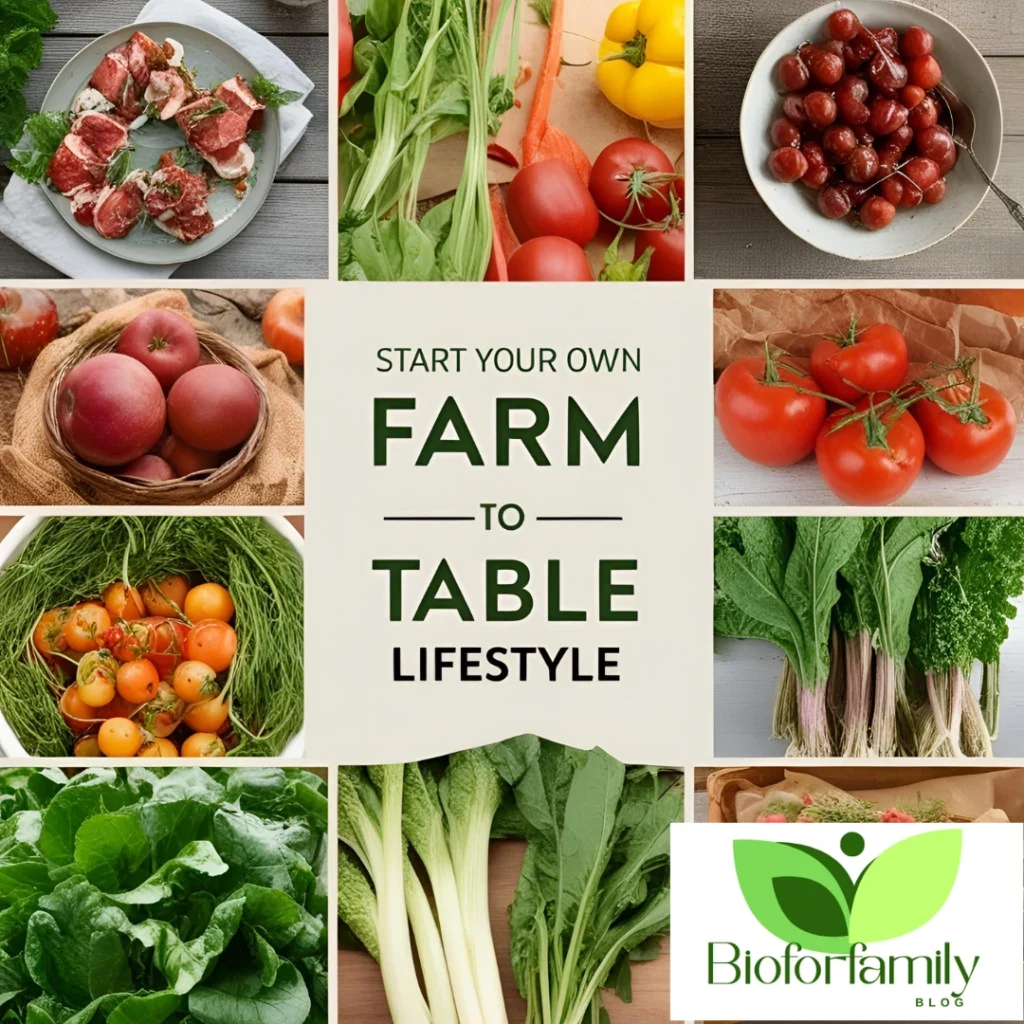
Now that you understand the benefits of the farm-to-table movement, you might be eager to bring it into your everyday life. Fortunately, adopting this lifestyle is easier than ever. Whether you’re shopping for fresh, local ingredients or growing your own food, there are simple ways to make sustainable eating a part of your routine. Here are some practical tips to help you get started:
5.1 Grow Your Own Farm Fresh Vegetables and Herbs
If you have the space, one of the best ways to embrace the farm-to-table lifestyle is by growing your own food. Starting a home garden allows you to enjoy fresh, seasonal vegetables and herbs right from your backyard. Even if you live in an apartment, you can still grow herbs on a windowsill or balcony. Growing your own food reduces your carbon footprint, ensures you’re eating chemical-free produce, and gives you a sense of connection to what’s on your plate.
5.2 Understand Food Labels and Certifications
When shopping for farm-to-table food, it’s important to understand food labels, certifications, and what they mean for sustainability and health. Look for labels like USDA Organic or Non-GMO to ensure the products you’re buying are grown using sustainable methods. Many local farms will also display their own certifications or show their commitment to regenerative farming practices, which focus on replenishing the soil and promoting biodiversity. Being mindful of these labels helps you make informed decisions that support ethical farming and environmentally friendly practices.
5.3 Support Regenerative Farming and Ethical Food Practices
As you embrace farm-to-table eating, consider supporting farms that engage in regenerative farming practices. Regenerative farming focuses on soil health, biodiversity, and long-term sustainability, often going beyond organic standards. You can find these farms through local farmers markets, CSAs, or directly by reaching out to farms. By supporting these farms, you help create a food system that not only nourishes people but also restores the planet.
5.4 Join Local Community-Supported Agriculture (CSA) Programs
If you don’t have the time or space to grow your own food, join a CSA program. It’s an excellent way to stay connected to local farms. By purchasing a share, you receive seasonal produce delivered to your door or a pick-up location. This provides you with fresh, farm-to-table ingredients and allows you to support farmers and foster a more sustainable food system. You’ll also gain access to seasonal varieties of food you might not find in traditional grocery stores.
Adopting a farm-to-table lifestyle is a powerful way to not only enhance your own health but also support local farmers. By choosing fresh, locally sourced food, you reduce your exposure to harmful chemicals and enjoy more nutritious meals. Whether you shop at farmers markets, dine at farm-to-table restaurants, or grow your own food, every small change you make can have a positive impact on your health and the environment.
This movement isn’t just about food. It creates also a stronger connection to the land, the farmers who cultivate it, and the food we consume. As we continue to prioritize fresh, sustainable options, we can help create a more ethical and sustainable food system that benefits everyone.
So, why not take the first step today? Start by exploring local markets, joining a CSA program, or even planting a small garden. Every bite you take can help foster a healthier future for you, your community, and the planet.