
JAS Organic Certification stands as the gold standard for organic agriculture, ensuring products meet strict Japanese organic standards. The Japan Agricultural Standards (JAS) Organic label, regulated by the Ministry of Agriculture, Forestry, and Fisheries (MAFF), guarantees that certified products comply with rigorous requirements. Whether you’re a consumer, farmer, or exporter, understanding JAS Organic can help you make informed choices and expand into global organic markets.
In this article, we’ll explore what JAS Organic Certification is, how it differs from other certifications like USDA Organic and EU Organic, and the steps required to obtain it. We’ll also discuss its benefits for businesses and consumers and provide tips on identifying JAS-certified products.
1. What is JAS Organic Certification?
Japan Agricultural Standards (JAS Organic Certification) is the official organic certification system in Japan, ensuring that agricultural products meet strict organic farming guidelines. Regulated by the Ministry of Agriculture, Forestry, and Fisheries (MAFF), this certification guarantees that products are grown and processed without synthetic chemicals, pesticides, or genetically modified organisms (GMOs).
1.1 The Role of MAFF in JAS Organic Certification
MAFF oversees the certification process, ensuring that organic farms and food producers comply with Japan’s organic agricultural standards. Only accredited certification bodies can approve products for the JAS Organic label, which signifies compliance with stringent organic regulations.
1.2 Key Requirements for JAS Organic Certification
To receive JAS Organic Certification, farmers and producers must meet specific criteria:
- Prohibited Substances: No synthetic fertilizers, pesticides, or GMOs.
- Soil Management: Farms must maintain healthy soil through natural fertilizers and crop rotation.
- Processing Standards: Organic ingredients must be separated from non-organic ones during processing.
- Strict Labeling Rules: Products must display the Organic JAS Seal to be marketed as certified organic in Japan.
1.3 Why JAS Organic Matters
JAS Organic Certification represents trust, quality, and sustainability. Consumers can confidently choose JAS-certified products, knowing they meet high organic compliance standards. Additionally, for businesses, JAS Organic opens doors to the global organic market, making it a valuable certification for food exports.
This certification system plays a crucial role in supporting organic agriculture in Japan, ensuring that both local and international consumers have access to high-quality organic products.
2. How JAS Organic Differs from Other Organic Certifications
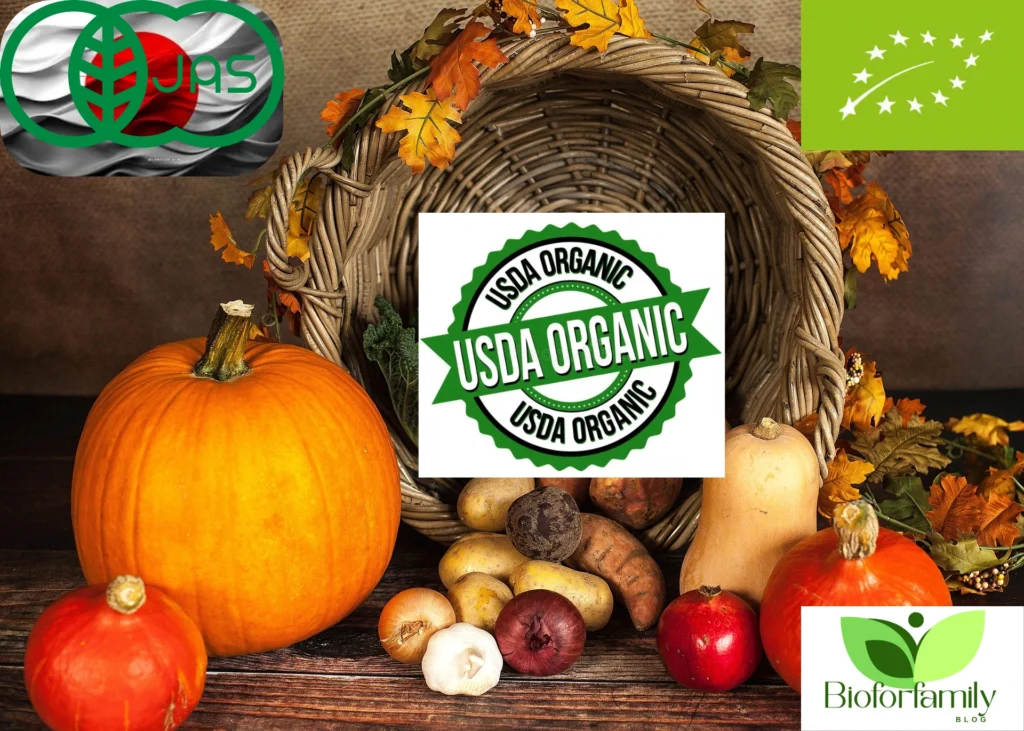
Organic certifications vary across the world, each with unique regulations and standards. While JAS Organic Certification governs organic products in Japan, other well-known certifications like USDA Organic (United States) and EU Organic (European Union) set their own guidelines. Understanding these differences helps consumers and businesses make informed choices when purchasing or exporting organic products.
2.1 Comparison: JAS Organic vs. USDA Organic vs. EU Organic
Although all three certifications promote sustainable farming, they have key distinctions:
| Feature | JAS Organic (Japan) | USDA Organic (United States) | EU Organic (European Union) |
|---|---|---|---|
| Regulating Body | MAFF (Ministry of Agriculture, Forestry, and Fisheries) | USDA (United States Department of Agriculture) | European Commission |
| Prohibited Substances | No synthetic pesticides, fertilizers, or GMOs | No synthetic chemicals, limited exceptions | Strict GMO ban, controlled pesticide use |
| Certification Label | Organic JAS Seal | USDA Organic Seal | EU Organic Logo |
| Recognition Outside Country | Required for organic food imports into Japan | Accepted in the U.S. and globally | Recognized across Europe and in trade agreements |
2.2 What Makes JAS Organic Unique?
JAS Organic follows strict Japanese agricultural standards with a strong emphasis on soil health and chemical-free cultivation. Unlike USDA Organic, which allows some synthetic substances under restricted conditions, JAS prohibits most synthetic additives entirely. This results in a higher standard for organic integrity.
Additionally, JAS-certified products must go through independent third-party verification by MAFF-accredited agencies. This rigorous process ensures that products consistently meet Japan’s strict organic farming requirements.
2.3 Why Businesses and Consumers Should Care
For businesses, understanding these differences is crucial when exporting organic products to Japan. Without JAS certification, foreign organic products cannot carry an organic label in Japan, even if they are USDA or EU Organic certified. Obtaining JAS Organic Certification opens doors to Japan’s growing organic food market and enhances global credibility.
For consumers, JAS Organic provides confidence in product quality. When purchasing JAS-certified products, shoppers can trust that they meet Japan’s strict organic compliance and labeling standards.
3. Steps to Get JAS Organic Certification
Obtaining JAS Organic Certification is essential for businesses that want to sell organic products in Japan. The process involves strict guidelines to ensure compliance with Japanese organic standards. Whether you’re a local farmer, food producer, or exporter, understanding these steps will help you navigate the certification process successfully.
1st step : Confirm Eligibility for JAS Certification
Before applying, businesses must first determine whether their products qualify for JAS Organic Certification. To be eligible, products must fall into one of three main categories: organic crops, such as fruits, vegetables, and grains; organic livestock products, including meat, dairy, and eggs; or processed organic foods, such as tea, soy products, and packaged goods. Additionally, all products must comply with JAS standards, which outline strict requirements regarding prohibited substances, soil management, and processing guidelines. By ensuring compliance with these regulations, businesses can take the necessary steps toward obtaining certification.
2nd step: Apply Through a MAFF-Accredited Certification Body
Only certification bodies approved by the Ministry of Agriculture, Forestry, and Fisheries (MAFF) can issue JAS Organic Certification. Businesses must:
- Choose a JAS-accredited certifying agency
- Submit an application with detailed production and processing records
- Prepare for on-site inspections by certification authorities
3rd step : Pass the JAS Inspection and Audit
Once the application is submitted, the certification body conducts a thorough inspection to verify compliance with JAS Organic Standards. This audit involves several key steps. First, farm and facility inspections assess soil health, farming methods, and processing conditions to ensure they meet organic requirements. Next, a review of production records confirms the absence of synthetic chemicals and GMOs, reinforcing the integrity of the organic certification. Additionally, the verification of labeling practices ensures the correct use of the Organic JAS Seal. If any issues arise during the audit, businesses may need to adjust their practices and undergo a re-evaluation before receiving certification approval.
4th step: Receive Certification and Use the Organic JAS Seal
After passing the inspection, businesses receive JAS Organic Certification and gain the right to use the Organic JAS Seal on their products. This certification remains valid as long as companies continue to meet JAS requirements through annual inspections.
4. Benefits of JAS Organic Certification for Businesses and Consumers
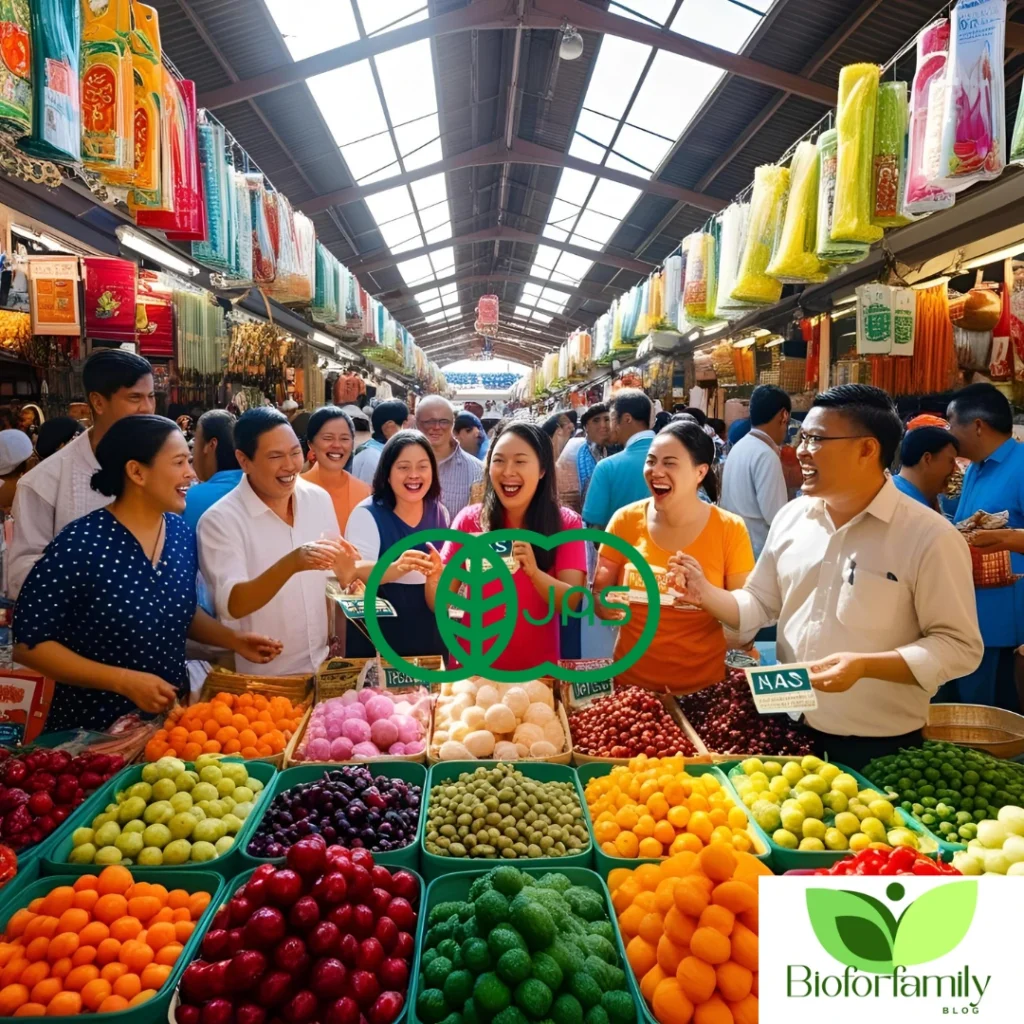
Securing JAS Organic Certification provides businesses with a competitive edge and gives consumers confidence in product quality. Whether you’re a producer, exporter, or shopper, JAS Organic delivers significant advantages in the growing organic food market.
4.1. Increased Market Access in Japan
Japan has a strict organic labeling system, allowing only JAS-certified products to be sold as organic within the country. Businesses that obtain this certification benefit in several ways. First, they can legally market their products as organic in Japan, ensuring compliance with national regulations. Additionally, certification grants access to Japan’s high-demand organic food industry, where consumers actively seek certified organic products. This, in turn, increases sales opportunities in supermarkets, specialty stores, and online platforms. Conversely, without JAS Organic certification, foreign organic products cannot carry an organic label in Japan, even if they hold USDA or EU Organic certifications, limiting their market potential.
4.2. Enhanced Consumer Trust and Brand Credibility
Consumers prioritize authenticity and transparency when purchasing organic products, making certification essential for building credibility. The Organic JAS Seal assures buyers that products meet Japan’s strict organic standards, fostering greater trust in certified products. As a result, brands that uphold organic integrity can cultivate higher customer loyalty, as shoppers feel confident in their purchasing choices. Furthermore, JAS certification provides a competitive advantage, positioning certified products more favorably against non-certified alternatives in the market.
4.3. Expansion into the Global Organic Market
JAS Organic Certification is widely recognized in international trade, providing significant advantages for businesses looking to export Japanese organic products to regions like Europe and the United States. One key benefit is easier acceptance in organic food exports, as JAS certification demonstrates compliance with strict organic standards. Additionally, it enhances competitiveness in global markets, helping certified products stand out among international offerings. Moreover, potential equivalency agreements with other organic certification bodies further streamline market entry, reducing the need for multiple certifications. Ultimately, JAS Organic Certification opens doors for international trade, allowing brands to scale their organic business beyond Japan with greater ease.
4.4. Commitment to Sustainability and Healthier Food Production
JAS Organic standards promote environmentally friendly and chemical-free farming, ensuring sustainable agricultural practices. Certified farms and producers play a vital role in fostering better soil health and biodiversity by maintaining nutrient-rich soil and supporting diverse ecosystems. Additionally, the standards help reduce the use of synthetic pesticides and GMOs, minimizing environmental impact and protecting natural resources. As a result, consumers benefit from healthier, more natural food choices, reinforcing trust in organic products and supporting a cleaner, more sustainable food system.
5.How to Identify and Buy JAS-Certified Products
As a consumer, knowing how to identify JAS-certified products is crucial to ensuring that the organic items you purchase meet Japan’s strict organic standards. The Organic JAS Seal is your key to recognizing high-quality, certified organic goods that align with your values of sustainability and health. In this section, we’ll show you how to spot authentic JAS-certified products and where to find them.
5.1. Understanding the Organic JAS Seal
The Organic JAS Seal is a distinct logo used to mark products that have met Japan’s rigorous organic certification standards. It is usually displayed on the packaging of organic food products and includes the following features:
- The “JAS” mark (Japan Agricultural Standards).
- The word “Organic” written in both Japanese and English.
- A unique registration number for each certified business or farm.
This seal guarantees that the product is free from synthetic pesticides, fertilizers, and GMOs and has been produced following sustainable farming practices. Always look for this seal when shopping for organic products in Japan.
5.2. Where to Find JAS-Certified Products
JAS-certified products are available in a wide range of places, including:
- Supermarkets and specialty organic stores in Japan.
- Farmers’ markets that sell directly from certified producers.
- Online platforms and e-commerce websites selling organic goods.
Additionally, many international organic retailers now offer JAS-certified products due to the growing demand for authentic, certified organic food.
5.3. Tips for Verifying Authentic JAS Labels
With the increasing popularity of organic products, ensuring that you purchase genuine JAS-certified items is more important than ever. To verify authenticity, start by checking the label to confirm that the product clearly displays the Organic JAS Seal. Additionally, look for the registration number, which should match the details provided on the certification body’s website or documentation. Another effective way to ensure authenticity is to buy from trusted retailers, such as reputable stores, farmers, or online platforms that sell verified JAS Organic products. By taking these extra steps, consumers can confidently choose products that meet Japan’s strict organic farming standards.
5.4. The Importance of Choosing JAS-Certified Products
Buying JAS-certified organic products not only supports sustainable agriculture but also ensures that you are consuming food that is grown and processed under strict regulations. Choosing certified items also:
- Supports local and international organic farmers.
- Helps promote environmental sustainability and biodiversity.
- Contributes to your own health and well-being by avoiding harmful chemicals and GMOs.