
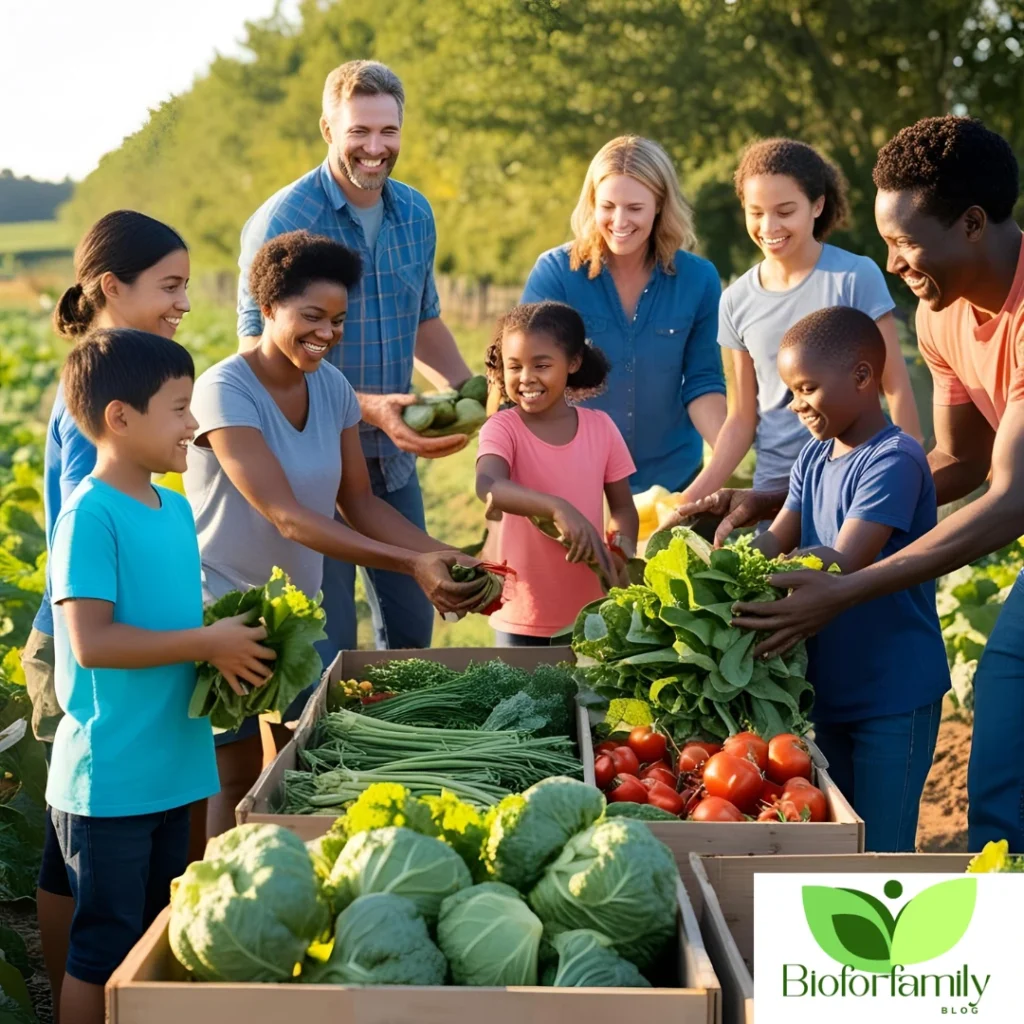
Farm Share Program might be exactly what you need If you’re looking for a fresh, sustainable way to eat healthier while supporting local farms . Also known as Community Supported Agriculture (CSA), this farm-to-table model connects consumers directly with farmers, offering weekly or biweekly boxes filled with seasonal produce, organic vegetables, and other local goods.
Unlike traditional grocery shopping, a farm share program delivers fresher food straight from nearby farms, often picked just hours before it reaches your kitchen. As a result, you enjoy better nutrition, reduce your environmental footprint, and contribute to a more resilient local food system.
In this post, we’ll break down how a farm share program works, explore its many benefits, and help you decide whether joining one is right for you.
What Is a Farm Share Program?
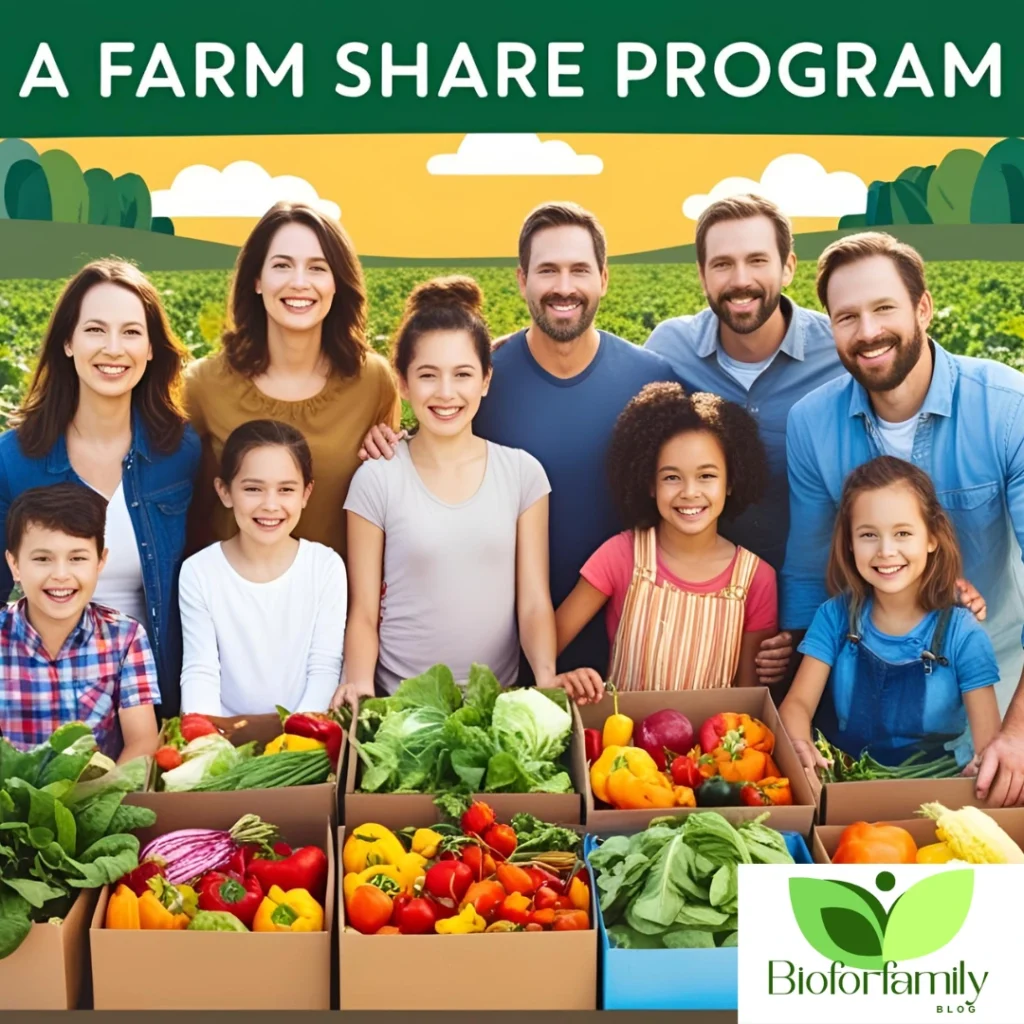
A Farm Share Program, often called Community Supported Agriculture (CSA), is a direct partnership between farmers and local consumers. When you join, you subscribe to receive a regular share of the farm’s harvest, usually in the form of a weekly or biweekly box of fresh produce.
1.Defining Farm Share Programs & CSA
In a CSA model, you pay upfront or in installments to support a local farm throughout the growing season. In return, you receive a “share” of what the farm produces, typically seasonal fruits, vegetables, herbs, and sometimes even eggs, dairy, or flowers.
2.The History and Evolution of CSA
The concept of CSA began in Japan and Switzerland in the 1960s and made its way to the U.S. in the 1980s. It started as a grassroots movement to support small-scale farmers and promote sustainable agriculture. Today, CSAs are found across the country and continue to grow in popularity as people look for healthier, more eco-conscious food options.
3.How It Differs from Traditional Grocery Shopping
Unlike grocery stores, where produce may travel thousands of miles, farm share programs offer food harvested just hours or days before delivery. That means fresher taste, longer shelf life, and better nutritional value. Plus, you’re more connected to where your food comes from, often learning the name of the farmer who grew it.
4.Role of Local Farms and Farmers
A farm share program strengthens the local economy by putting money directly into the hands of farmers. It also helps reduce food waste and encourages more sustainable growing practices. When you join a CSA, you’re not just buying food, you’re investing in your community and the planet.
How Farm Share Programs Work
Joining a farm share program is simple, and the process is designed to benefit both the consumer and the farmer. Here’s how it typically works from sign-up to your first delivery or pickup.
1. Subscription Models – Weekly, Biweekly, or Monthly
Most CSA programs operate on a subscription basis, offering different options to fit your schedule and budget. You can choose to receive a box of fresh, seasonal produce every week, every other week, or even monthly. Payments are usually made at the start of the season, which helps farmers plan their crops and cover upfront costs.
2. What’s Typically Included in a Farm Share Box
Each box contains a variety of fruits, vegetables, and herbs that are in season. Depending on the farm, you might also get add-ons like organic eggs, local honey, dairy products, or even flowers. Shares vary in size—small for individuals or couples, large for families or avid cooks.
3. Seasonal Produce and Local Variety
One of the biggest benefits of a farm share program is the variety of fresh foods you receive. Because you’re eating what’s in season, your diet naturally becomes more diverse and nutrient-rich. Spring shares might include leafy greens and radishes, while summer brings tomatoes, cucumbers, and berries. It’s a great way to try new vegetables and eat with the seasons.
4. Pickup Points vs. Home Delivery Options
Most CSAs offer flexible options for receiving your share. You can choose a local pickup point, such as a community center or farmers market, or have your box delivered right to your doorstep. Some programs even allow you to skip a week or customize your box based on your preferences.
Benefits of Joining a Farm Share Program
A farm share program is a lifestyle choice that supports your health, your community, and the environment. Here are some of the top reasons to consider joining one.
1. Access to Fresh, Organic, and Seasonal Produce
Farm shares give you direct access to food that’s freshly harvested, often the same day it’s delivered or picked up. Many farms use organic or sustainable practices, meaning you’re getting clean, chemical-free produce that’s packed with flavor and nutrients. Eating what’s in season also encourages variety and better nutrition throughout the year.
2. Supporting Local Agriculture and Food Systems
When you subscribe to a CSA, you’re supporting local farmers directly. Your investment helps small farms stay in business and grow stronger. Instead of buying produce that’s been shipped across the country—or even the world—you’re helping create a more resilient, community-based food system.
3. Promoting Sustainable and Eco-Friendly Farming
Many farm share programs follow sustainable farming practices, such as crop rotation, composting, and reduced pesticide use. This means fewer harmful chemicals in the environment and better care for the land. It also reduces the carbon footprint of your food by minimizing long-distance transportation.
4. Encouraging Healthy Eating Habits
With a regular supply of fresh vegetables and fruits, you’re more likely to cook at home and try new, healthy recipes. CSAs often include cooking tips or newsletters with meal ideas, making it easier to plan your week and make nutritious choices.
What to Expect When You Join a Farm Share Program
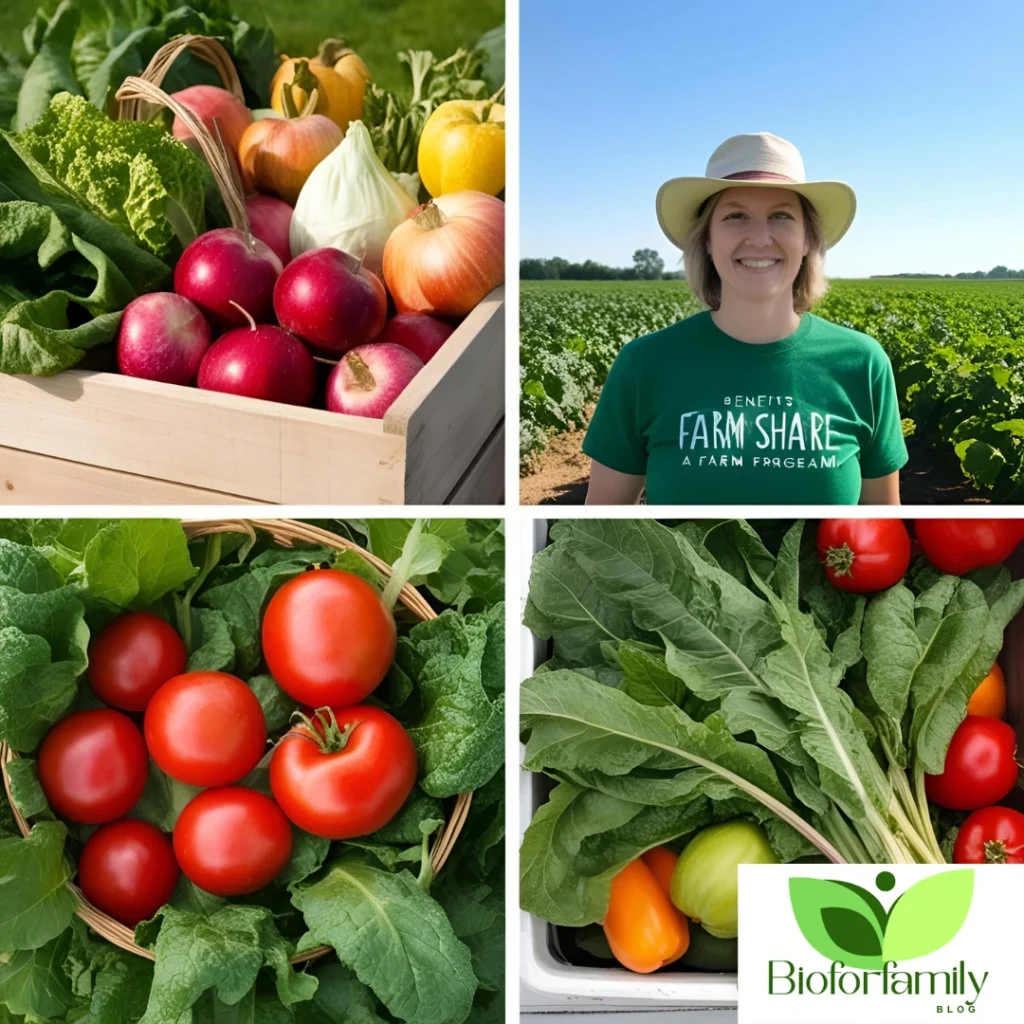
Starting a farm share program is exciting, especially if you’re passionate about healthy eating and local food. Here’s what you can expect once you sign up.
1. Getting to Know Your Farmers and Where Your Food Comes From
One of the best parts of joining a CSA is the connection to your food source. For example, many farms offer meet-the-farmer events, newsletters, or even behind-the-scenes tours. As a result, you’ll gain a better understanding of how your food is grown and feel more confident about what you’re putting on your plate.
2. Sample Farm Share Contents by Season
As the months go by, your farm share box will change with the seasons. In spring, you might receive spinach, arugula, and asparagus. Farmers fill summer boxes with tomatoes, sweet corn, and zucchini. Fall often brings root vegetables, squash, and apples. This variety keeps meals interesting and aligned with seasonal eating habits.
3. Recipe Ideas and Cooking Tips with CSA Produce
If you’re unsure how to use certain vegetables, don’t worry. Most CSAs provide weekly recipes, storage tips, and prep ideas in their newsletters or online. It’s a great way to learn new dishes and make the most of your produce—especially when you receive something new like kohlrabi or rainbow chard.
4. Flexibility, Customization, and Add-Ons
While some CSA boxes are pre-packed, many now offer flexible options. You might be able to swap items, choose from a list of seasonal produce, or add extras like free-range eggs, artisan bread, or locally made jam. This level of customization helps you get exactly what you need while still supporting local producers.
How to Find the Right Farm Share Program Near You
With so many options available, choosing the right farm share program can feel overwhelming at first. But with a little research, you can find a CSA that fits your lifestyle, budget, and food preferences.
1. Researching Local Farms and CSA Listings
Start by looking up local farms or using directories like LocalHarvest.org, USDA CSA directories, or your local farmers market website. Many farms also share information on social media or community boards, making it easy to discover what’s available in your area.
2. Questions to Ask Before Joining a Program
Before signing up, ask a few important questions:
- What is included in a typical share?
- How long is the CSA season?
- Are the products organic or sustainably grown?
- What happens if I miss a pickup?
Clear answers will help you choose a program that meets your needs and expectations.
3. Comparing Prices, Share Sizes, and Commitment Lengths
Farm share programs vary in price depending on share size, duration, and included items. Some offer small shares for individuals, while others are designed for families or avid home cooks. Also, check whether the program requires a full-season commitment or offers more flexible payment options.
4. Testimonials and Reviews from Past Members
Reading reviews and testimonials from previous members can give you insight into the quality of the produce, reliability of the service, and overall satisfaction. Don’t hesitate to reach out to the farm directly if you have questions—they’re usually happy to help.