

The walnut’s brain-like shape may be coincidental, but its nutritional impact is no accident. Backed by science, walnuts are proven to support cognitive function, heart health, weight control, and even gut balance. Whether you’re sprinkling them on breakfast, cooking with them in savory meals, or simply enjoying them as a snack, walnuts are a smart, wholesome choice for long-term wellness.
Why Do Walnuts Look Like the Brain?

Nature’s Intriguing Design
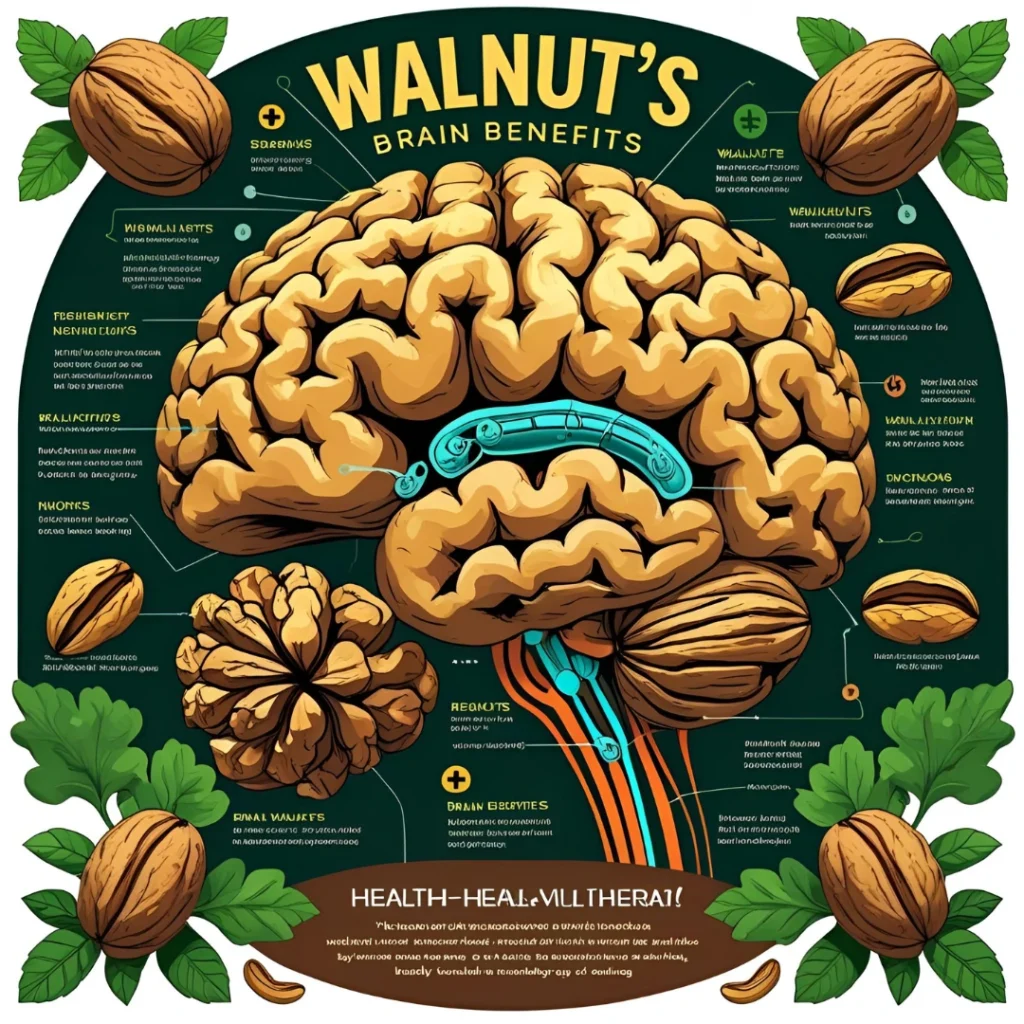
The walnut’s shape has captivated scientists, herbalists, and health enthusiasts for generations. If you crack open a walnut, you’ll notice its two lobes, convoluted surface, and a dividing groove—features that strongly resemble the human brain. This curious resemblance has led many to wonder whether there’s a deeper connection between walnuts and brain function. Interestingly, modern science now supports that walnuts do, in fact, benefit brain health—though not because of their shape. Still, this walnut brain shape serves as a fascinating reminder of nature’s creativity.
Symbolism and Ancient Beliefs
Historically, many cultures believed in the “Doctrine of Signatures,” a concept suggesting that foods resembling body parts could treat ailments of those parts. Because walnuts look like the brain, traditional healers promoted them as a natural remedy for boosting mental capacity, enhancing memory, and even improving mood. Though these beliefs were based on observation rather than evidence, modern research has validated many of their assumptions, especially concerning the benefits of walnuts for the brain.
Coincidence or Clue?
Is the resemblance between the walnut and the brain merely coincidental? Most likely, yes. However, the nutrients packed into this brain-shaped nut have proven neurological benefits. Rich in essential fatty acids, antioxidants, and plant-based protein, walnuts are more than a symbolic food, they are a true brain-boosting superfood. So while the shape isn’t scientifically meaningful, it remains a compelling visual cue that highlights its remarkable health effects.
The Science Behind Walnut’s Brain Benefits

Rich in Omega-3 Fatty Acids
Walnuts are one of the few plant-based foods high in alpha-linolenic acid (ALA), a type of omega-3 fatty acid that supports brain health. Omega-3s play a key role in reducing inflammation, protecting brain cells, and enhancing communication between neurons. Unlike fish oil, walnuts offer a vegetarian-friendly source of these essential fats. Regular consumption of omega-3 in walnuts has been linked to better cognitive performance, emotional stability, and even lower risk of Alzheimer’s disease.
Powerful Antioxidants at Work
Walnuts contain a high concentration of polyphenols, vitamin E, and melatonin, all potent antioxidants that protect the brain from oxidative stress. Oxidative stress is a major contributor to neurodegeneration and age-related cognitive decline. By neutralizing free radicals, these compounds help keep brain cells healthy and functional. In fact, walnuts rank among the top nuts in antioxidant activity, making them a natural ally in maintaining long-term mental sharpness.
Supports Memory and Focus
Research shows that consuming walnuts regularly can lead to improvements in memory, learning ability, and focus. In clinical trials, participants who ate walnuts showed increased processing speed and better working memory compared to those who didn’t. This is especially important as we age, since cognitive function naturally begins to decline. Walnuts help by supporting neurotransmitter function and improving blood flow to the brain—essential components of sustained concentration and mental clarity.
More Than Brain Food: Other Health Benefits of Walnuts
Boosts Heart Health
In addition to supporting the brain, walnuts contribute to a healthier cardiovascular system. They help lower LDL (bad) cholesterol, reduce inflammation in blood vessels, and improve overall artery function. Thanks to their high content of unsaturated fats, walnuts have been shown to reduce the risk of heart disease when consumed regularly as part of a balanced diet.
Aids in Weight Management
Although walnuts are calorie-dense, they can actually support weight management by increasing satiety. Their high fiber, fat, and protein content helps curb appetite, which may prevent overeating. Studies have found that people who include walnuts in their diets feel fuller longer and are less likely to snack on empty-calorie foods. When eaten in moderation, walnuts are a smart addition to a healthy lifestyle.
Enhances Gut Health
Walnuts are also beneficial for digestive health. They act as a prebiotic, feeding beneficial gut bacteria such as Lactobacillus and Bifidobacterium. A healthy gut microbiome is closely linked to better immune function, lower inflammation, and improved mood. The fiber in walnuts further aids digestion and supports bowel regularity, making them a well-rounded food for both mind and body.
How to Include Walnuts in Your Diet
Add Them to Breakfast
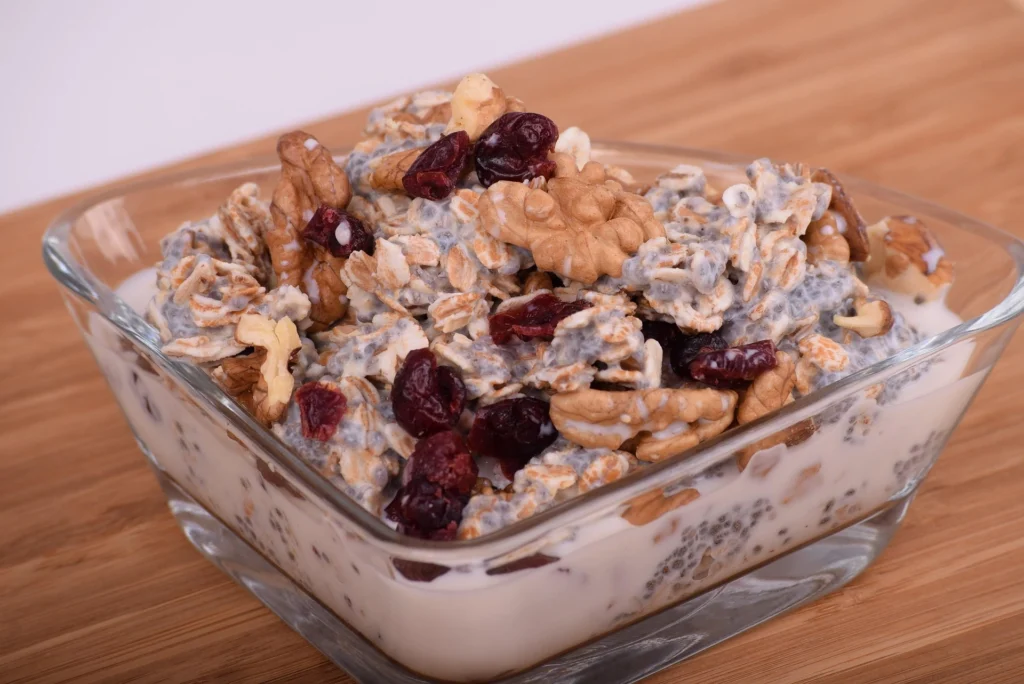
A simple way to enjoy walnuts is to start your day with them. Add a handful to your morning oatmeal, mix them into Greek yogurt, or blend them into smoothies for a nutrient-rich breakfast. Not only do they add a pleasant crunch and flavor, but they also provide sustained energy throughout the morning.
Use in Savory Dishes
Walnuts aren’t just for sweet recipes. You can toast and toss them into salads, blend them into pesto, or add them to stir-fries and grain bowls. In plant-based cooking, walnuts can even be used as a meat substitute. You can try combining ground walnuts with lentils for a hearty, meatless taco filling or burger patty.
Snack Smart
Instead of reaching for chips or cookies, consider keeping a small bag of raw walnuts on hand for snacking. Just a handful a day (about 1 ounce or 28 grams) is enough to enjoy the many health benefits of walnuts. For variety, pair them with dried fruits or dark chocolate for a delicious, antioxidant-rich trail mix.