
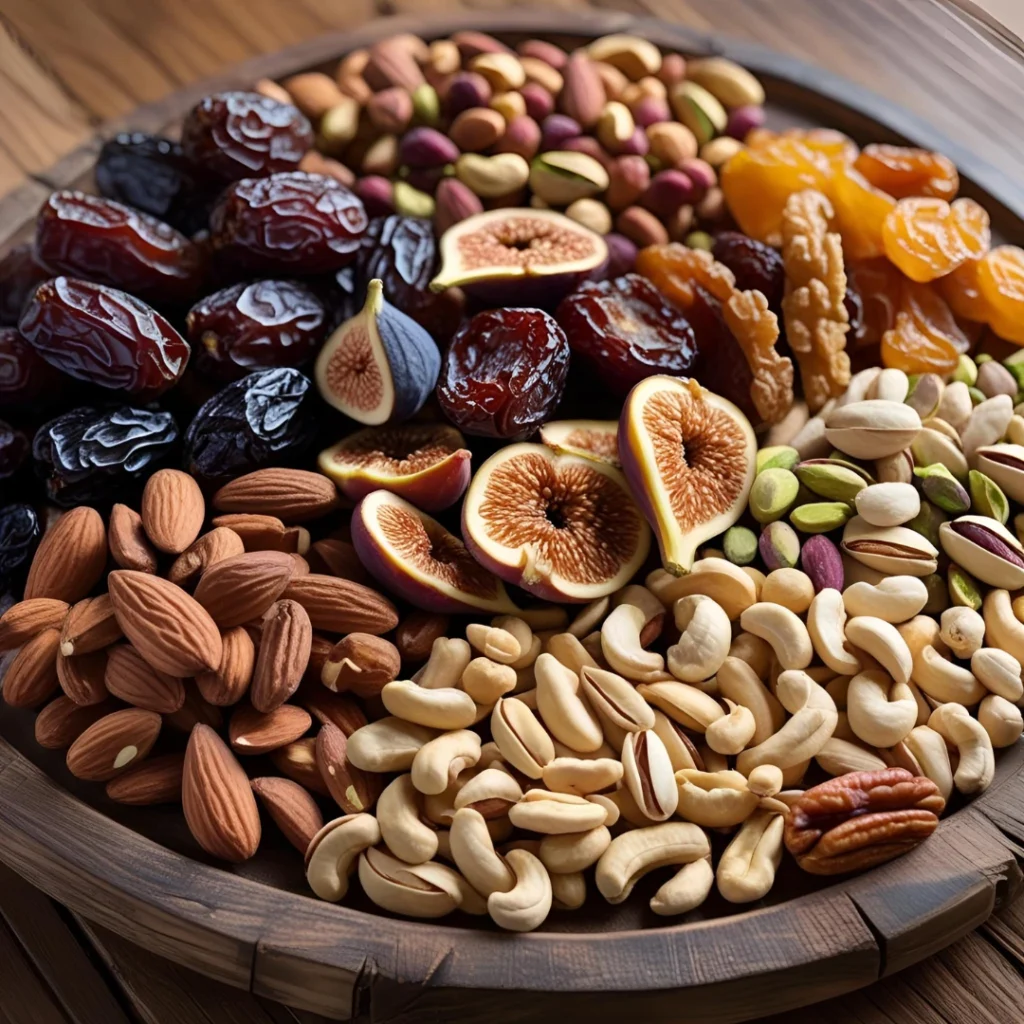
In our journey towards balanced diets, fruits play a crucial role, particularly fresh and dried fruits. Today, we will focus on the unique benefits of dried fruits, not to be confused with artificially dried products like processed apricots, bananas, or apples. We are exploring natural dried fruits such as dates, figs, raisins, almonds, walnuts, pistachios, peanuts, and cashews. These foods are not industrial products; they belong to an authentic, natural dietary system that enhances health and supports healing. Let’s delve into the details.
Understanding Dried Fruits: Types and Nutritional Composition
Distinction Between Dried and Processed Fruits
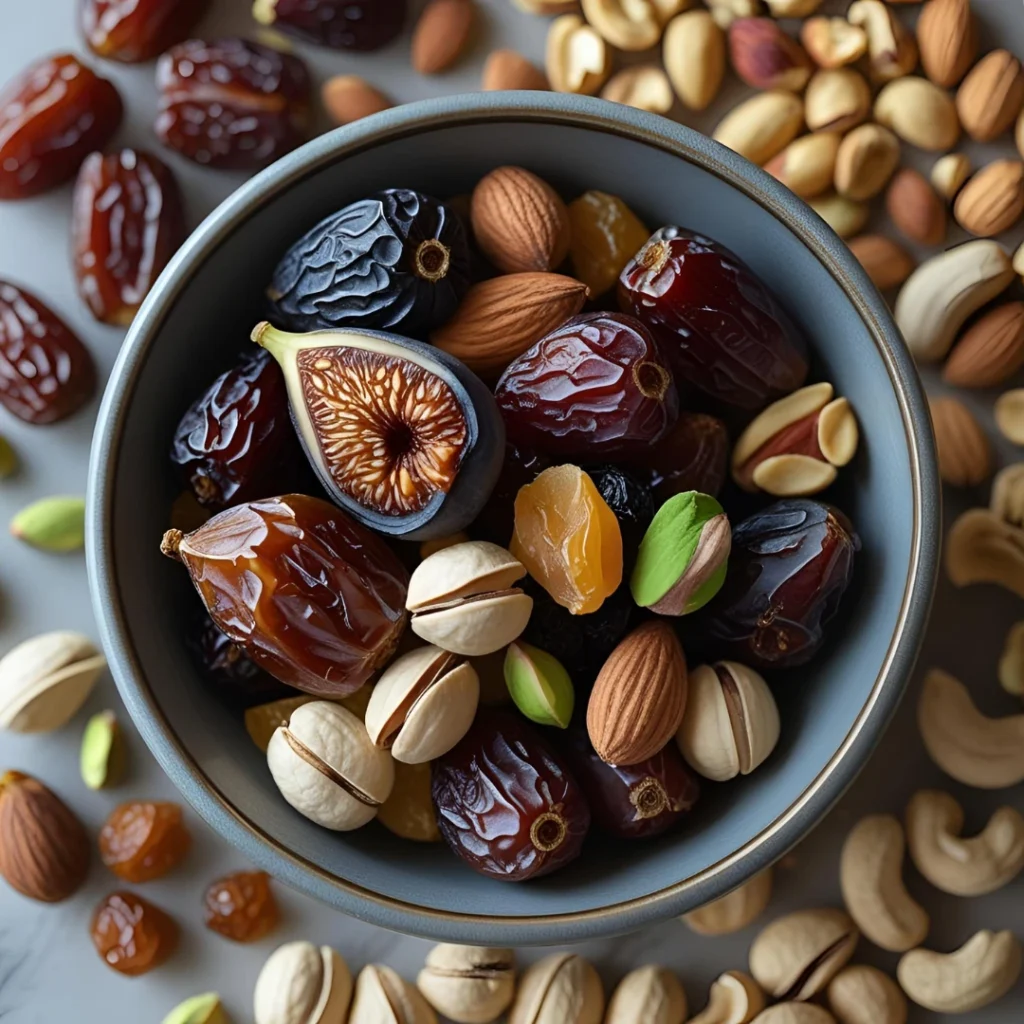
First, it’s essential to differentiate between naturally dried fruits and artificially dried ones. Natural dried fruits include dates, figs, and raisins, which are rich in sugars, as well as almonds, walnuts, pistachios, peanuts, and cashews, which are rich in healthy fats.
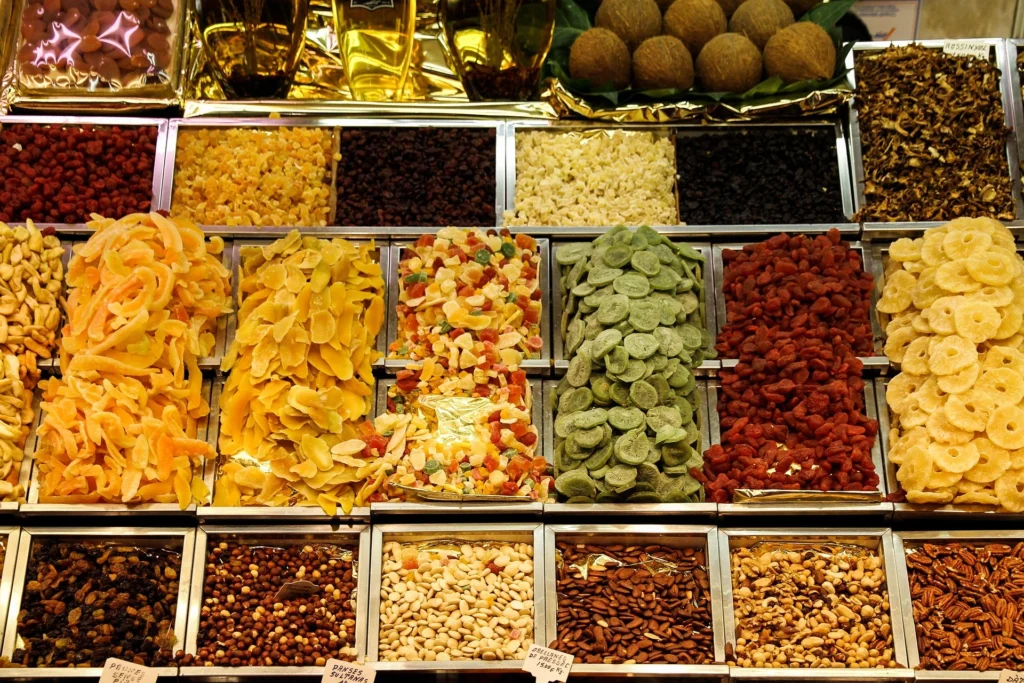
In contrast, industrially dried fruits like sweetened apricots and processed bananas often lose significant nutritional value due to dehydration and added preservatives. These processed products do not fit into a holistic dietary system.
Macronutrient Profiles: A Perfect Balance
Dried fruits provide a natural synergy of nutrients. The first group of sugary fruits like dates, figs, and raisins offer essential natural sugars like glucose, fructose, and maltose, providing clean energy. In the opposite, the second group of fatty fruits like Almonds, walnuts, and pistachios provide healthy fats, protein, and vital minerals such as magnesium and copper.
Dates, in particular, are rich in magnesium, while pistachios are a superior source of copper. The combination of these elements makes dried fruits essential for supporting the nervous and digestive systems.
Health Benefits: More Than Just Energy
Essential Minerals for Anemia Prevention
Copper is critical for transporting iron to the blood. Many individuals with anemia are prescribed iron supplements but often lack copper, hindering iron absorption. Regular consumption of dried fruits like pistachios, almonds, and figs helps maintain optimal copper levels, naturally supporting the body against anemia.
Observations from desert communities in Africa and Middle-East, who traditionally consume high amounts of dates, show that these populations rarely suffer from anemia. They typically have excellent vision and strong physical endurance, thanks to the unique nutritional properties of dates, which support muscle strength, including heart muscles.
Digestive Health and Fiber Content
The dietary fibers in dried fruits, particularly figs and raisins, are essential for a healthy digestive system. They help prevent constipation and support regular bowel movements. The pectin and other soluble fibers promote gut health and ensure effective nutrient absorption.
Figs, for example, are renowned for their high calcium content, which supports bone health alongside digestive regularity. Moreover, raisins contain Resveratrol, a potent antioxidant that supports cardiovascular health.
Anti-Cancer and Antioxidant Properties
Dates, figs, and raisins contain polyphenols with strong antioxidant properties that fight oxidative stress and support the immune system. Walnuts and almonds, rich in tocopherols (vitamin E), further contribute to reducing inflammation and combating the effects of aging.
Optimal Consumption: Blending Tradition and Science
Building Balanced Meals
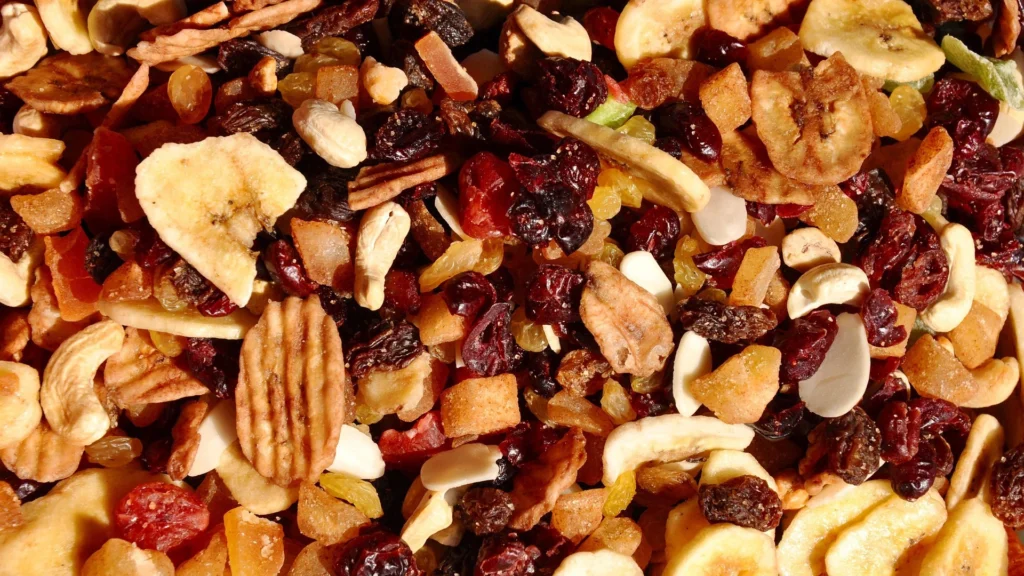
Historically, Moroccan and Amazigh communities combined different dried fruits in unique, balanced ways. Traditional meals often included dates, figs, raisins, almonds, and walnuts, ground and mixed into highly nutritious energy bites.
For a complete superfood blend:
- Combine sweet dried fruits (dates, figs, raisins) with fatty dried fruits (almonds, walnuts).
- Optionally, add flax seeds, fenugreek seeds, coriander seeds, and spices like cinnamon and clove to enhance flavor and preserve freshness.
This natural blend can serve as a daily energy snack, especially beneficial for individuals battling autoimmune diseases, cardiovascular issues, or undergoing cancer treatments.
Strategic Ingredient Additions
Adding cinnamon to dried fruit mixes prevents spoilage and enhances the antioxidant profile. Other herbs like rosemary, marjoram, and sage can further boost the nutritional value and create a functional, holistic food.
Including olive oil in the mixture creates a smoother texture and adds powerful polyphenols and monounsaturated fats that are essential for heart health.
Modern Agricultural Concerns and Nutritional Heritage
Preserving Local Varieties
Unfortunately, local high-quality fruit varieties worldwide are being replaced by imported, industrial varieties with higher commercial yields but lower nutritional value. This shift has led to a loss of traditional agricultural knowledge and the replacement of nutritionally superior local produce with inferior alternatives. The importance of preserving these native varieties is critical to maintaining the region’s nutritional integrity.
Reviving Traditional Diets
In the past, people consumed fresh and dried fruits regularly without complex dietary rules. However, modern diets dominated by processed foods and refined sugars have significantly contributed to the rise in chronic diseases.
By returning to natural and organic foods we can combat these modern health challenges. Educating communities on how to blend dried fruits, seeds, and spices can empower them to create affordable, accessible, and highly beneficial meals.
Conclusion: Returning to Whole, Healing Foods
In summary, dried fruits such as dates, figs, raisins, almonds, and walnuts form the cornerstone of a holistic dietary system. They offer a perfect balance of natural sugars, healthy fats, proteins, minerals, and antioxidants.
By integrating these traditional foods into our daily diets and preparing them in intelligent combinations, we can build stronger, healthier bodies and actively prevent diseases. Supporting this natural dietary approach is not just about nutrition; it is a step towards preserving cultural heritage and sustainable agricultural practices.
Let us embrace this simple yet powerful path to well-being and pass this knowledge on to future generations.