
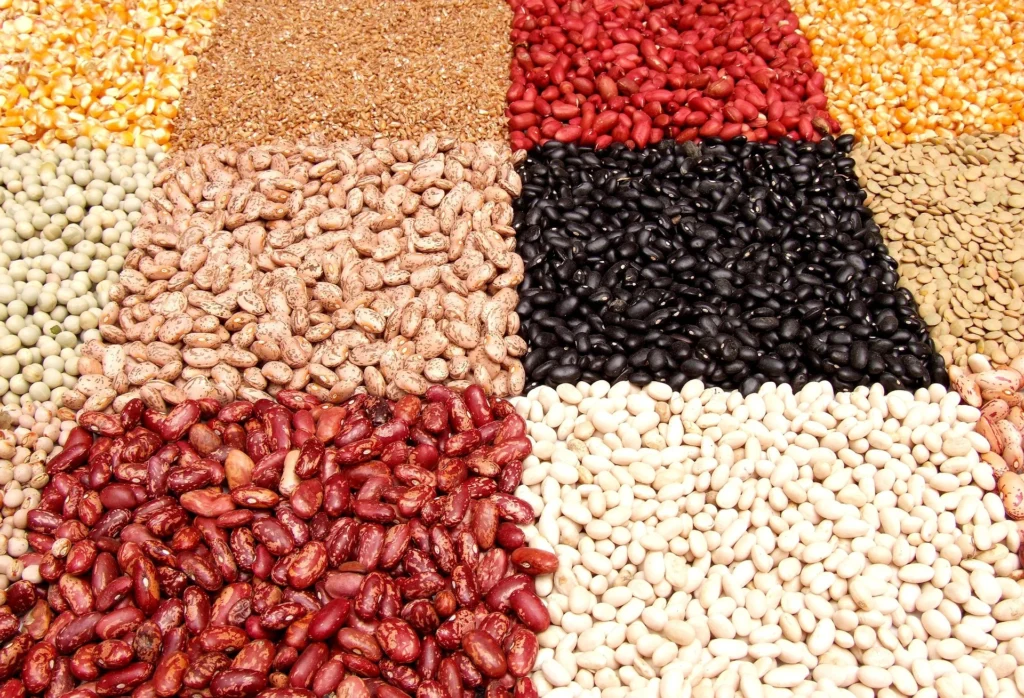
No one should ever discourage you from consuming legumes. In fact, legumes are not only affordable and versatile, they are nutritional powerhouses that can replace meat and provide essential nutrients for optimal health. Remarkably, 200 grams of cooked legumes provide as much protein as 250 grams of meat. Moreover, when prepared correctly, legumes become highly digestible, free from harmful anti-nutrients like lectins and phytic acid and beneficial for everyone, including those with chronic illnesses.
Let’s explore why legumes are essential, how to prepare them properly, and how to integrate them creatively into your meals.
The Nutritional Power of Legumes
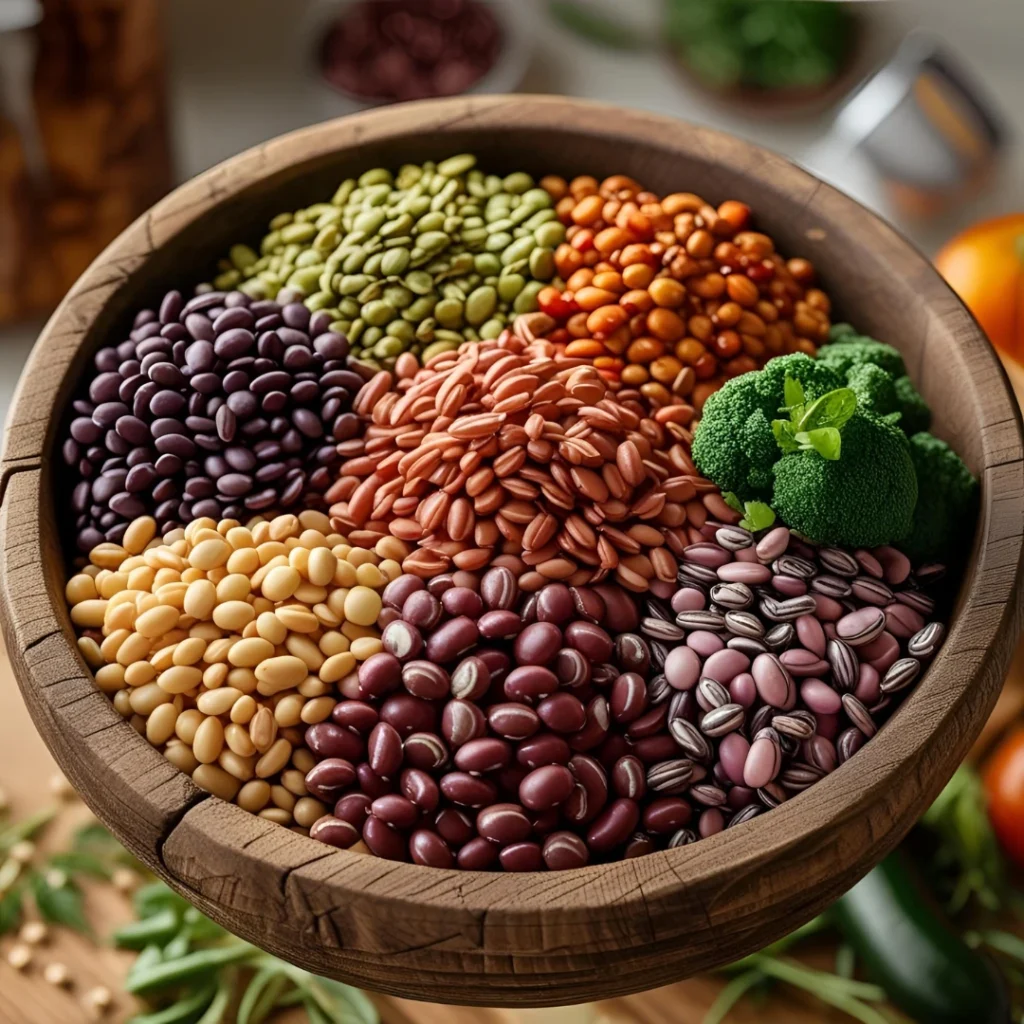
Legumes, such as lentils, chickpeas, fava beans, and kidney beans, offer remarkable health benefits. First and foremost, they are rich in complex carbohydrates and contain around 20% plant-based protein, making them excellent meat alternatives.
Additionally, legumes are a primary source of molybdenum, a trace mineral rarely found in other foods but essential for detoxifying the body. They are also packed with B vitamins, especially Vitamin B5 (pantothenic acid), Vitamin B6 (pyridoxine), and Vitamin B9 (folic acid). However, it is important to note that folic acid requires Vitamin B6 and manganese to function properly in the body. Without these supporting nutrients, folic acid cannot be effectively absorbed or utilized.
Fortunately, most fruits and vegetables provide sufficient Vitamin B6 and manganese, making a balanced diet crucial for nutrient synergy.
How to Neutralize Anti-Nutrients in Legumes
Despite their impressive nutritional profile, legumes contain two major anti-nutrients: lectins and phytic acid. Both can cause digestive discomfort and block the absorption of important minerals.
To address this, follow these essential preparation steps:
- Soak legumes overnight (at least 12 to 24 hours).
Soaking removes between 30% to 50% of lectins and significantly reduces phytic acid. - Cook legumes thoroughly for 1.5 to 2 hours.
Prolonged cooking further breaks down lectins and ensures better digestibility. Unlike vitamins in some foods, the nutrients in legumes are not destroyed by heat. - Add olive oil during cooking.
Olive oil introduces healthy fats and antioxidants that help neutralize residual lectins and improve flavor. - Incorporate garlic.
Garlic not only enhances taste but also aids digestion and reduces gas formation, making legumes easier on the stomach. - Include digestive-supporting seeds.
Adding flaxseeds, black seeds, fenugreek, and garden cress seeds enhances absorption and provides additional nutritional benefits. - Use traditional spices.
Cinnamon helps control fermentation and Candida growth, while cumin is excellent for reducing digestive gas. In fact, cumin has been traditionally paired with legumes in Moroccan cooking. - Consider adding hot peppers.
Spicy legumes, as commonly consumed in Tunisia and Sudan, can further improve digestion and reduce bloating.
Why Legumes Are Essential for Chronic Disease Management
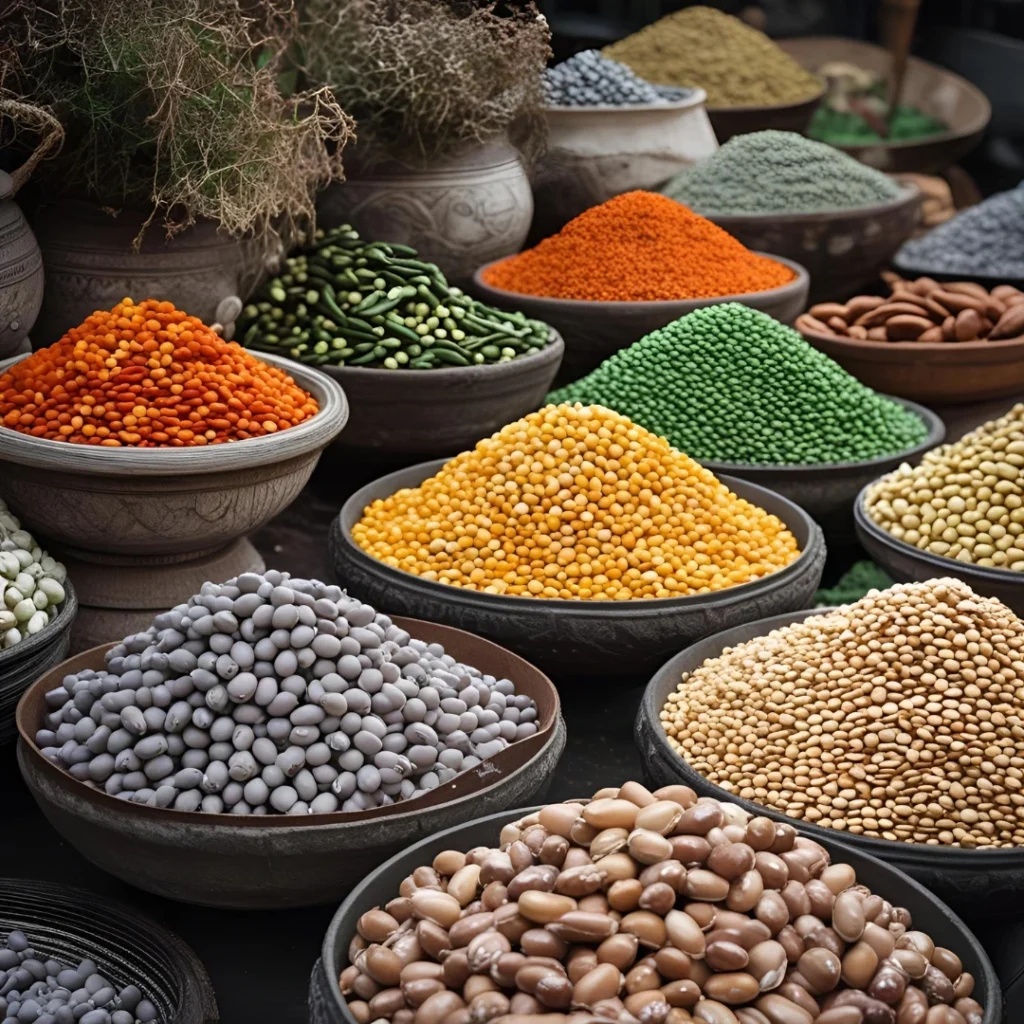
For people with chronic diseases such as cancer, autoimmune disorders, and cardiovascular conditions, legumes are especially beneficial. When meat is restricted, legumes can serve as a primary protein source. Remarkably, 200 grams of cooked legumes provide as much protein as 250 grams of meat.
Contrary to popular belief, animal protein is not the only complete protein source. Properly prepared legumes can meet daily protein needs without the risks often associated with excessive meat consumption.
Additionally, legumes offer complex carbohydrates and essential vitamins that support healing and improve energy levels.
Traditional Wisdom: Simple, Nutritious, and Time-Tested Recipes
Across Moroccan culture, traditional legume recipes like “Bissara” (fava bean soup) and chickpea stews were staples of healthy, simple breakfasts. Unfortunately, these nutrient-rich traditions are being replaced by processed, sugar-laden pastries and white bread.
It’s important to return to simplicity:
- Prioritize legumes, olive oil, garlic, and seeds for breakfast.
- Avoid ultra-processed bread and focus on wholesome, fiber-rich foods.
- Encourage children to snack on boiled chickpeas and fava beans instead of sweets and biscuits.
Moreover, for people battling cancer, adding garlic, thyme, and traditional fermented vegetables to daily meals can offer significant health support.
Smart Meal Combinations and Practical Tips
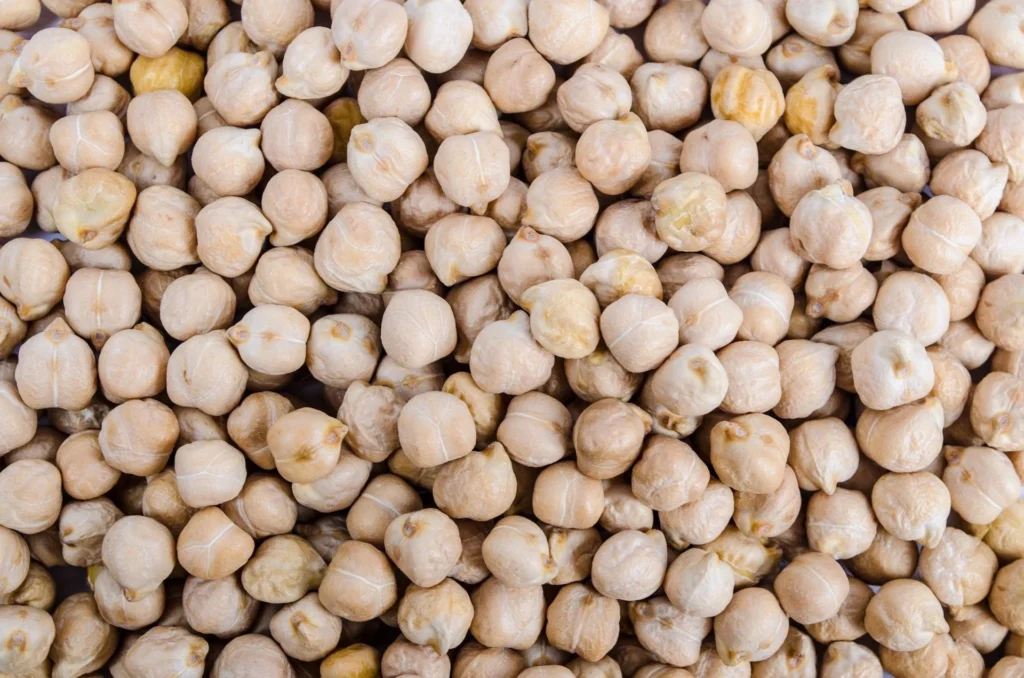
When consuming legumes:
- Avoid eating them with bread. This combination can lead to excessive gas and indigestion.
- Pair legumes with vegetables and fruits to optimize nutrient absorption and maintain digestive balance.
- Use therapeutic spices like cumin, cinnamon, and hot peppers for better tolerance and added health benefits.
A simple, balanced meal of legumes with olive oil and seeds is often more nutritious than many modern, complex recipes.
Conclusion: A Return to Healthy, Traditional Cooking
In conclusion, legumes are not only affordable and widely available but also essential for a balanced, health-supportive diet. Proper preparation, through soaking, thorough cooking, and thoughtful seasoning, makes them highly digestible and safe, even for those with sensitive digestion.
Furthermore, adopting traditional, plant-based meals can improve health outcomes, especially in the face of modern diseases.
It’s time to revisit our ancestral wisdom, simplify our meals, and embrace the therapeutic power of legumes.