
Digestive problems, including ulcers, inflammation, bloating, and poor digestion, are increasingly common. Fortunately, nature provides powerful solutions through plant-based foods. These plant-based solutions are simple, accessible, and powerful. However, they require patience, commitment, and proper preparation. Instead of searching for complicated mixtures or unproven remedies, return to whole, seasonal foods and respect the natural order.
In previous discussions, we explored the benefits of Fresh and dried fruits. Today, we’ll focus on specific foods that, when prepared correctly, can transform gut health and support long-term healing.
Plant-based foods are beneficial for the digestive system
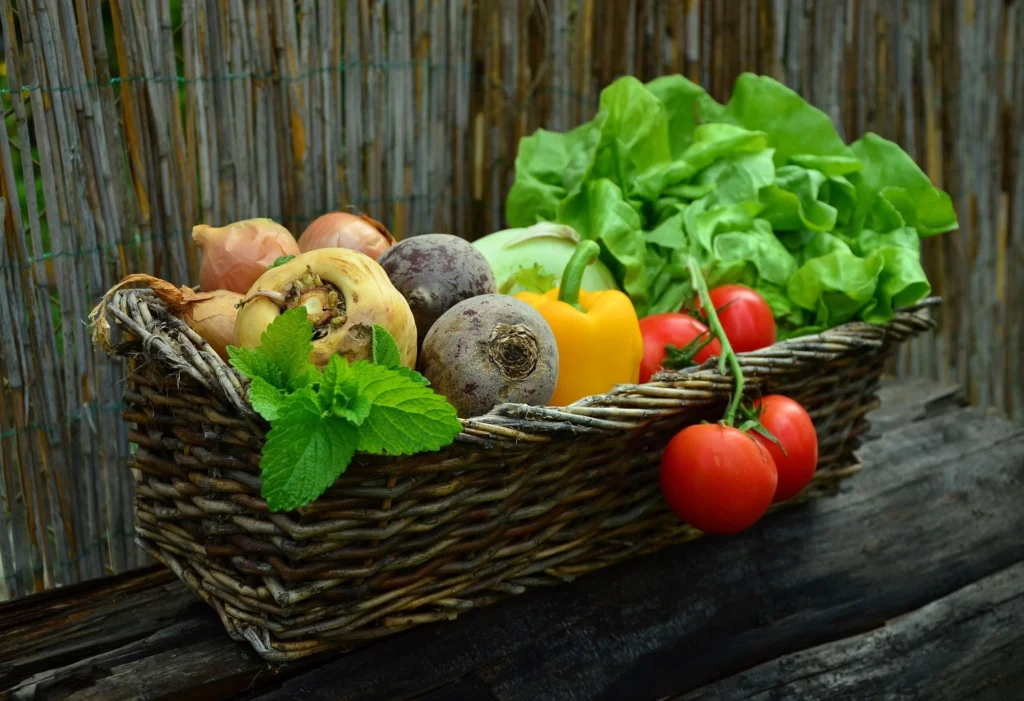
As a golden rule, all plant-based foods are beneficial for the digestive system. People who consume a plant-rich diet rarely suffer from colon ulcers, hemorrhoids, gallstones, indigestion, or chronic bloating. Why? Because plants are packed with Dietary fiber, Antioxidants, Natural enzymes and Bioactive compounds that regulate harmful reactions inside the body
Plant-based foods not only protect the digestive tract but also support cardiovascular health by preventing heart and artery diseases.
On the other hand, diets high in animal products, processed foods, and refined sugars contribute significantly to digestive inflammation and heart issues.
Key Plant Foods That Nourish Beneficial Gut Bacteria
Although all plants offer benefits, certain foods are exceptional because they feed probiotic gut bacteria, the friendly bacteria essential for digestion and immunity. These foods are often neglected or disliked, yet they are the most powerful.
What Is Inulin and Why Is It Important?
Inulin is a complex, non-glucose sugar made from fructose. It’s a prebiotic fiber that nourishes beneficial bacteria and promotes gut healing. Inulin is not commonly found in high concentrations in modern diets, but it is abundant in traditional, seasonal foods.
The Best Sources of Inulin:
- Sweet Potatoes: A highly digestible, inulin-rich vegetable, different from regular potatoes.
- Taro Root (Jerusalem Artichoke): Known in Morocco as “batata qasbiya,” an excellent source of inulin.
- Pumpkins and Squash: Especially the large red varieties often used in couscous.
- Artichokes: A powerful gut-friendly vegetable.
- Asparagus: Available mainly in winter and a strong inulin source.
- Onions and Garlic: Contain moderate amounts of inulin and support digestion.
These vegetables may initially cause gas and discomfort, but with consistent consumption, the gut flora adapts, and symptoms improve.
How to Prepare and Combine These Healing Foods
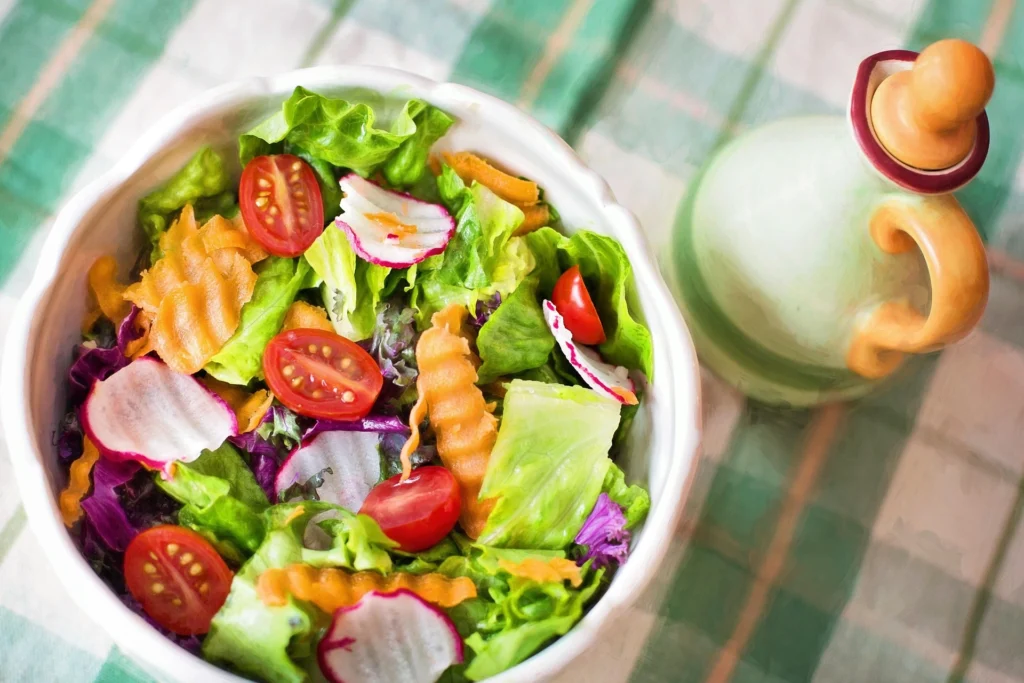
For best results, these vegetables should be cooked with olive oil, turmeric, garlic, and digestive-supporting seeds such as Fenugreek, Flaxseeds, Garden cress, Coriander seeds, Anise, and Fennel. Indeed, combining these foods enhances their healing power and improves digestive tolerance. To achieve even better results, we recommend the following steps:
First, gradually introduce these vegetables to allow the gut flora to adjust.
Second, pair them with natural spices that support gut bacteria and reduce gas.
Finally, avoid cooking them with harmful ingredients like refined oils and excessive sugar.
Foods and Habits to Avoid
For real healing, it is essential to stop consuming harmful foods such as:
- Refined sugar and sweets
- Fried foods
- Soft drinks
- Preserved and processed foods
- Excessive meat consumption
- White bread made with industrial yeast
Continuing these habits will completely block the benefits of any herbal or dietary intervention.
Additional Powerful Seasonal Foods
Beyond vegetables, some seasonal fruits also support digestive healing:
- Dates: Currently in season and rich in beneficial fibers.
- Acorns: Contain inulin and healthy oils.
- Doum Fruit: Available now and excellent for digestion.
- Pomegranates: Support both digestive and heart health thanks to their strong antioxidants.
- Persimmons (Kaki Fruit): Caution: you Should avoid to consume persimmons with seafood.
- Papaya: Rich in digestive enzymes that help break down proteins.
Spotlight on Quince: A Digestive Healing Superfruit
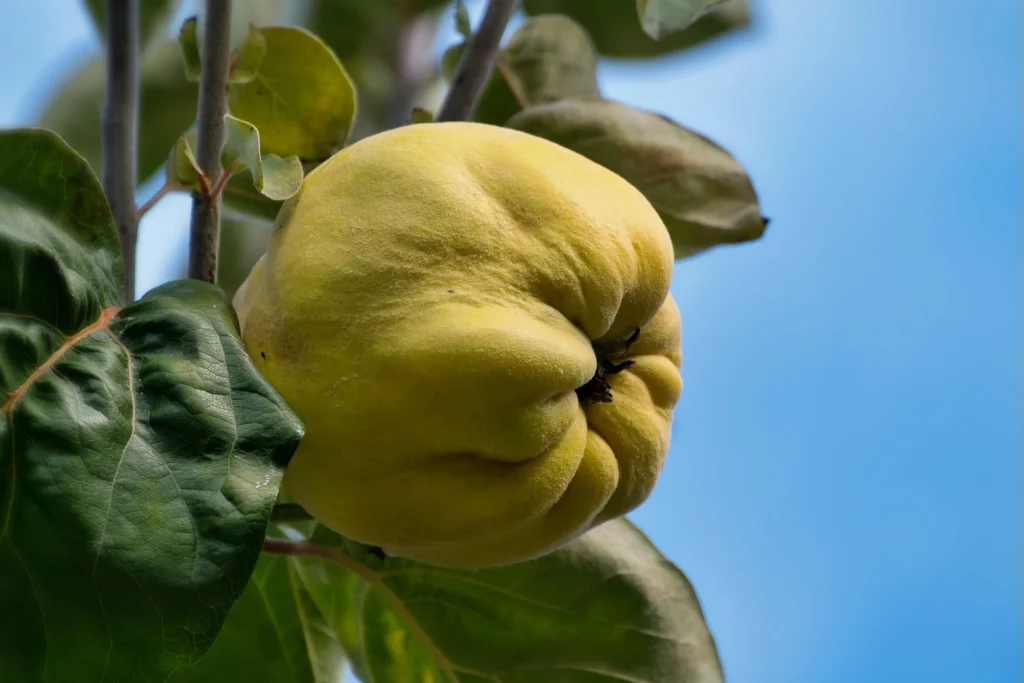
Quince is one of the most powerful healing fruits currently in season. However, I’m sure you often misprepare it. The best way to consume quince is:
- Blend it raw with mineral water and drink it as a fresh juice.
This simple preparation helps relieve all forms of digestive ulcers and inflammation, from the throat to the intestines.
For even greater effect, you can combine quince juice with Ground turmeric, Ground fenugreek, Ground thyme and Licorice root. This creates a potent natural healing remedy.
Respecting Seasonal Eating
Seasonal consumption is key. Eating out-of-season, preserved fruits like grapes is not recommended. Grapes, for example, should only be consumed fresh during the summer. Eating fruits and vegetables in their natural season ensures that they offer the maximum health benefits..