

The global rise in chronic illnesses such as autoimmune diseases, infertility, hormonal disorders, and even cancer has prompted health professionals and researchers to look deeper into root causes. Among the most overlooked yet critical issues is the widespread deficiency of Vitamin D and Vitamin B12. These two nutrients play a foundational role in human health, yet they are dangerously lacking in many modern populations.
Understanding that Vitamin D and B12 deficiencies are signs of deeper systemic imbalance, can help individuals make informed decisions about their health. Healing starts from within. Instead of masking symptoms with supplements alone, restore your body through proper nutrition, detoxification, and gut support.
The solution doesn’t lie in miracle pills, but in respecting the divine design of the human body and supporting it naturally.
Understanding the Role of Vitamin D
Vitamin D, often referred to as the sunshine vitamin, functions as a hormone in the body. It plays a crucial role in regulating the immune system, strengthening bones, and balancing hormones. Notably, nearly 50% of Vitamin D synthesis takes place in the liver, while the remaining portion occurs in the kidneys. Therefore, for Vitamin D to function optimally, both organs must be in good health.
Many people associate Vitamin D deficiency solely with lack of sun exposure, but this is only part of the picture. The real issue is often internal toxicity and impaired liver and kidney function, not simply time spent outdoors. Additionally, skin color affects Vitamin D absorption. Lighter skin absorbs UV rays more efficiently, which is why populations in low-sunlight areas evolved with fairer skin. Conversely, darker skin offers natural protection in sun-drenched regions.
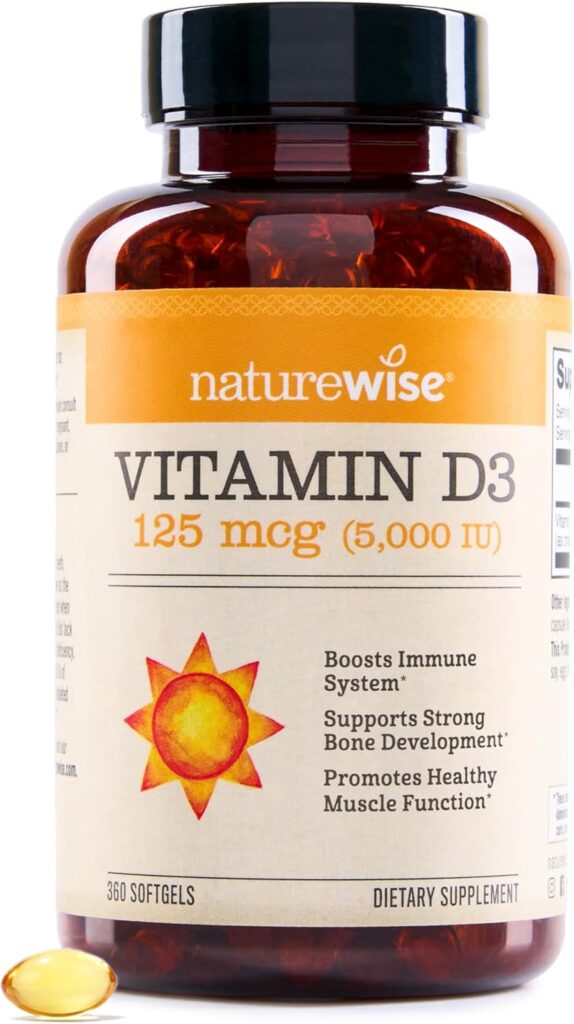
Research shows that people with modern, sedentary lifestyles and poor nutrition are especially prone to Vitamin D deficiency, even when they get regular sun exposure. for those persons a top choice for supplementation is the NatureWise Vitamin D3 5000 IU (125 µg), offering 360 mini softgels for a full one-year supply. This best-selling Amazon favorite is trusted for its high-strength dosage, convenience, and lasting value, consistently ranking as the #1 product in Vitamin D.
Why Vitamin B12 Deficiency Is Critical
Vitamin B12, on the other hand, is primarily absorbed in the stomach with the help of a protein called intrinsic factor. Without it, no matter how much B12 is consumed, the body can’t utilize it. This deficiency often stems from gut health issues, especially in people with Helicobacter pylori (H. pylori) infection or stomach inflammation.
Vitamin B12 is essential for red blood cell formation, neurological function, and DNA synthesis. It’s stored in the body for years, but once depleted, deficiency symptoms can take time to reverse.
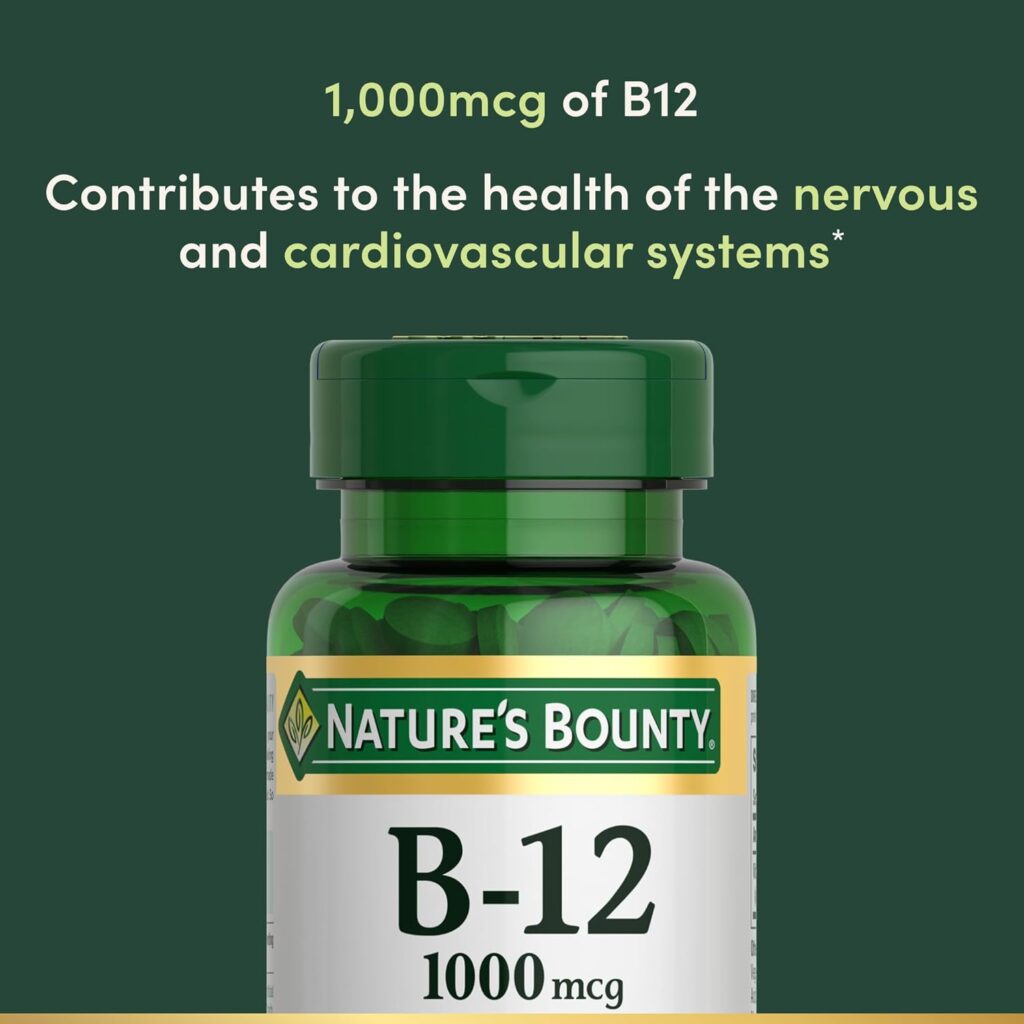
The root of B12 deficiency is not dietary alone but often a result of poor gut function and imbalanced digestion. In many cases, injections are required. For those able to benefit from oral supplements, one of the most trusted options is the Nature Made Vitamin B12 1000 mcg (150 Softgels, 150-Day Supply), a consistent Amazon best seller that delivers a strong 1000 µg dose per softgel and provides reliable support for up to five months.
Connection Between Vitamin D and B12
Research shows that low Vitamin D often coincides with low B12 levels, particularly in individuals suffering from autoimmune diseases. Vitamin D helps modulate immune responses and can prevent the body from producing harmful auto-antibodies. A deficiency in both vitamins is frequently seen in individuals with:
- Rheumatoid arthritis
- Lupus
- Multiple sclerosis
- Hashimoto’s thyroiditis
- Chronic fatigue
For these individuals, simply taking supplements may not be enough. Restoring organ health, especially the liver and kidneys, is key to reversing deficiencies.
Why Modern Lifestyles Lead to Deficiencies
Many modern factors are contributing to these deficiencies:
- Poor diet: Overconsumption of processed foods, sugars, refined oils, and excessive meats.
- Lack of natural detox: A buildup of toxins in fat cells and organs blocks nutrient absorption.
- Gut imbalance: Disruption of friendly gut bacteria impairs nutrient synthesis and absorption.
- Overuse of medications: Frequent antibiotic and antacid use weakens the stomach’s ability to produce intrinsic factor for B12.
Moreover, environmental toxins such as heavy metals (lead, mercury, arsenic) accumulate in fatty tissues beneath the skin. These layers are essential for Vitamin D synthesis. When toxic, they block the absorption of UV rays and hinder natural vitamin production.
Natural Solutions to Reverse the Crisis

1. Liver and Kidney Detoxification
To boost Vitamin D production, begin with a gentle detox program:
- Eat a plant-based diet rich in raw fruits, vegetables, and herbs.
- Include liver-healing foods like artichoke, milk thistle, beetroot (barba), and rosemary.
- Drink plenty of warm, filtered water with lemon in the morning.
2. Gut Healing for Better B12 Absorption
Addressing a Vitamin B12 deficiency begins with restoring stomach health. To support this process, eliminate processed foods, refined sugars, and white bread from the diet. Instead, cook with extra virgin olive oil, known for its high antioxidant content. Additionally, incorporate probiotics and propolis (bee resin) to help combat Helicobacter pylori, a common bacterial cause of gastric issues. During the healing phase, it is also advisable to avoid dairy and meat, as they may hinder digestive recovery.
3. Sunlight and Skin Care
Sunlight exposure should be moderate, not excessive. Spending time outdoors during daylight (not necessarily direct sunbathing) is sufficient.
- Ensure liver and kidney function are optimal.
- Avoid chemical-laden skin products that block UV absorption.
4. Supplement Wisely
- Vitamin D can be taken in supplement form during winter or if deficiency is extreme, but it’s not a long-term fix.
- Vitamin B12 may need to be injected in cases where the stomach cannot absorb it.
Who’s at Risk?
While anyone can be deficient, the following groups are at higher risk:
- People over 40
- Those with chronic gut issues or autoimmune diseases
- Individuals following a highly processed, modern diet
- People living in polluted cities