
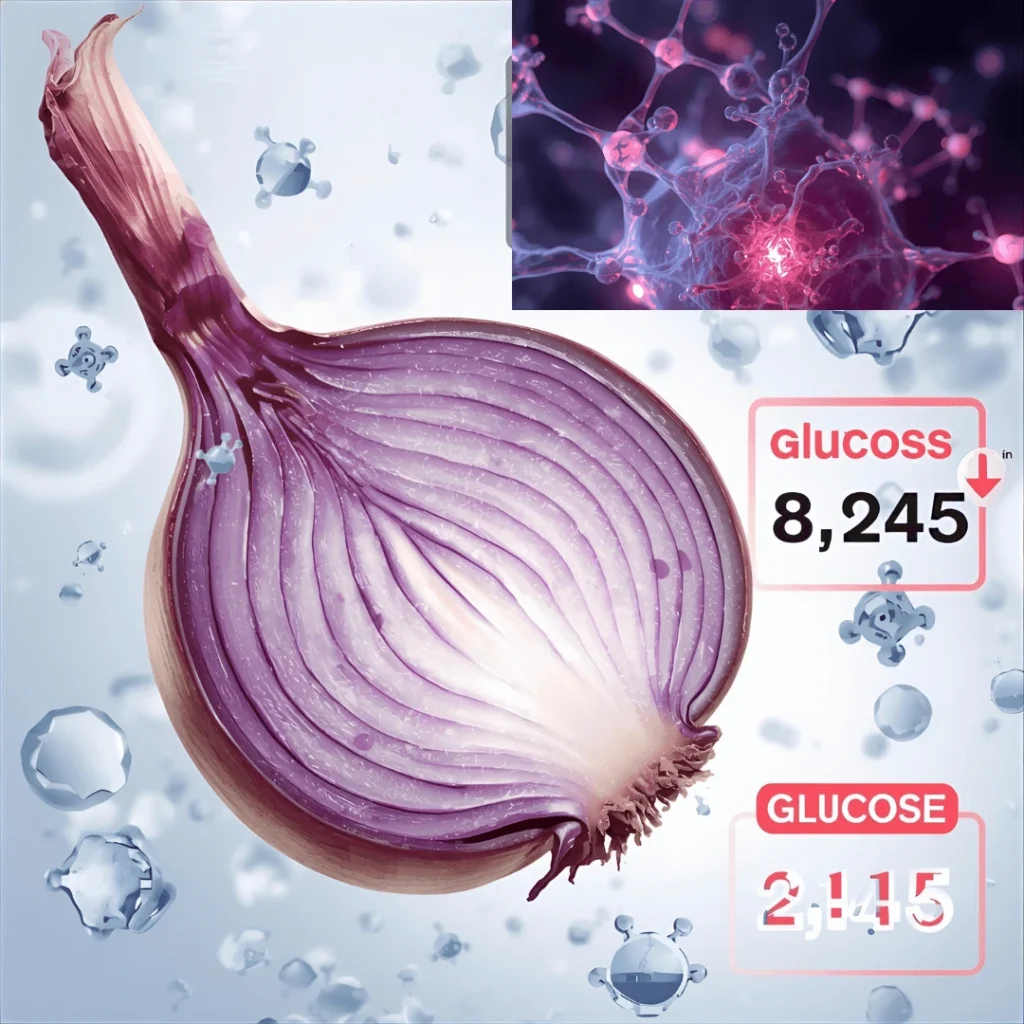
Diabetes is one of the most pressing health challenges worldwide. Type 2 Diabetes, in particular, affects millions, forcing patients to manage their blood sugar through medication and lifestyle changes. While modern medicine provides effective treatments, researchers are increasingly turning to natural remedies that complement standard therapies.
One of the most promising findings comes from a recent study on onion (Allium cepa). Researchers found that onion extract, especially when used alongside metformin, a common diabetes drug, can significantly reduce blood sugar levels and lower total cholesterol. This breakthrough opens new doors for integrating natural dietary solutions into diabetes management plans.
The Science Behind Onion’s Benefits
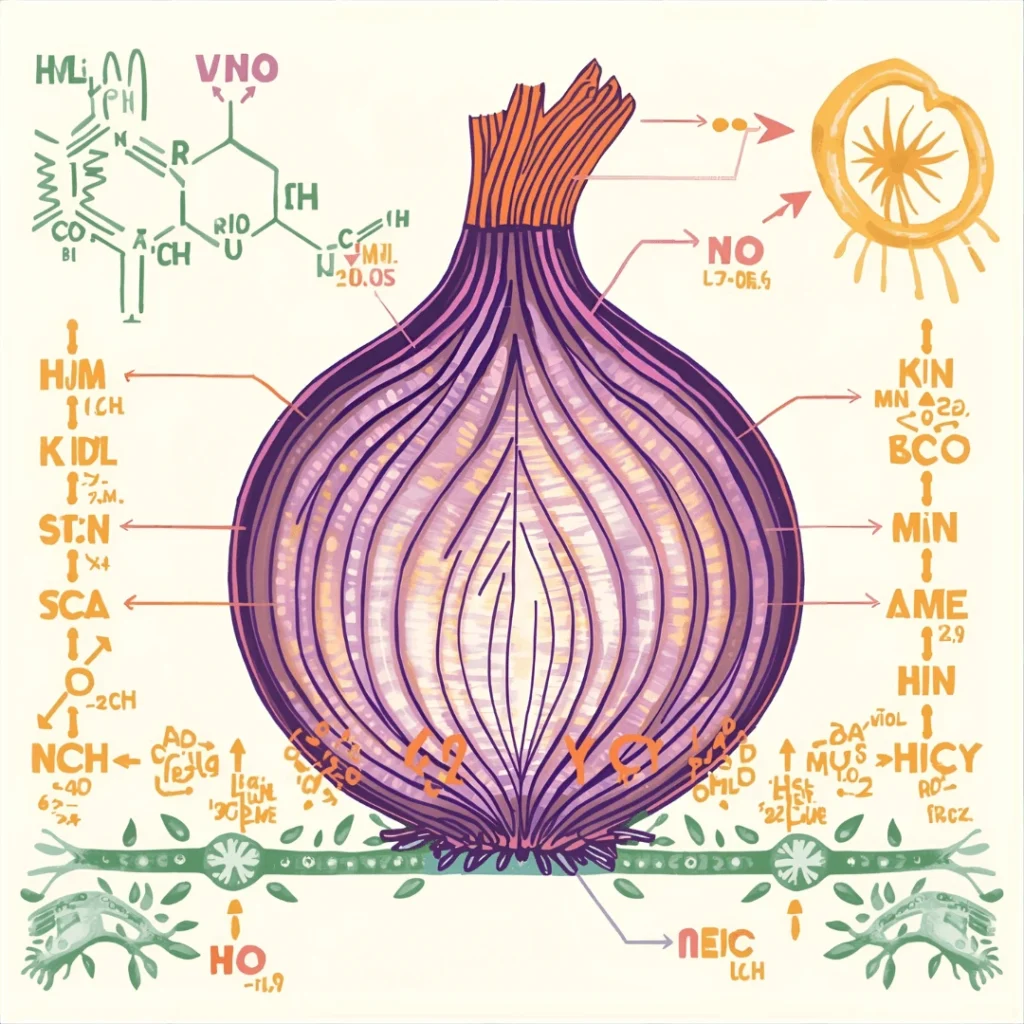
Onions are more than a flavorful kitchen staple; they are rich in bioactive compounds that influence metabolism and cardiovascular health. Among the most notable compounds are:
- Sulfur compounds: Help improve insulin sensitivity and regulate blood sugar.
- Flavonoids: Antioxidants that reduce inflammation and protect blood vessels.
- Fiber: Supports healthy digestion and slows sugar absorption.
In the study, diabetic rats were administered onion extract alongside metformin. The results showed a 50% reduction in blood sugar levels compared to untreated diabetic rats. Additionally, the extract contributed to a significant decrease in total cholesterol, suggesting a dual benefit for both glucose metabolism and lipid balance.
How Onion Extract Works in the Body
The active components in onions appear to influence blood sugar in multiple ways:
- Enhancing Insulin Sensitivity: Sulfur compounds may improve how body tissues respond to insulin, making glucose uptake more efficient.
- Protecting Pancreatic Cells: Antioxidants help safeguard beta cells, which produce insulin, from oxidative stress.
- Regulating Glucose Absorption: Dietary fiber slows the rate at which sugar enters the bloodstream after meals, preventing spikes in blood glucose.
By combining these mechanisms, onions can complement standard medications and support better overall blood sugar control.
Onion and Cholesterol: A Heart-Healthy Bonus
Beyond blood sugar, onion extract also showed benefits for cholesterol levels. High cholesterol often accompanies Type 2 Diabetes, increasing the risk of heart disease. The flavonoids in onions:
- Reduce LDL cholesterol (the “bad” cholesterol)
- Increase HDL cholesterol (the “good” cholesterol)
- Improve overall cardiovascular function
This dual impact makes onions an attractive dietary addition for diabetic patients concerned about heart health.
Practical Ways to Include Onions in Your Diet
Onions are versatile and easy to incorporate into meals. Here are some practical tips:
- Raw: Add sliced onions to salads, sandwiches, or salsas to retain maximum nutrients.
- Cooked: Saute, roast, or grill onions to enhance flavor while maintaining bioactive compounds.
- Blended: Puree onions into soups, sauces, or dips.
- Supplements: Onion extract capsules are available, but consult a healthcare provider before use.
While these methods are safe, keep in mind that cooking can reduce some of the bioactive compounds, though beneficial effects generally remain.
Limitations of the Research
Although the study presents promising results, several caveats must be considered:
- Animal Study: The experiments were conducted on rats, not humans. Effects may vary in people.
- High Doses: The amounts used in research (e.g., 400–600 mg/kg) are larger than typical human consumption.
- Not a Standalone Treatment: Onion extract should not replace prescribed medication or lifestyle interventions.
Future research is needed to determine optimal doses, efficacy in humans, and long-term safety. Nonetheless, these findings suggest that onions could be a supportive therapy, not just a culinary ingredient.
Combining Onion with Modern Medicine
One of the most exciting aspects of the study is the synergistic effect with metformin. When used together, onion extract and metformin achieved better glucose control than either alone.
This synergy highlights a key principle in integrative medicine: natural compounds can enhance the effectiveness of conventional drugs, potentially allowing for lower doses, fewer side effects, and improved patient outcomes.
Expert Opinions on Onion and Diabetes
A nutritionist, explains:
“Onions have been used traditionally in many cultures for managing sugar levels. Modern research confirms that certain compounds in onions can improve insulin function and cholesterol metabolism. They should be considered as part of a balanced diet for diabetic patients.”
Similarly, a clinical pharmacologist noted:
“While onions are not a cure, their bioactive components can complement diabetes treatment. Patients should always consult their doctor before adding concentrated extracts or supplements.”
These insights underscore the importance of combining diet, lifestyle, and medication for comprehensive diabetes management.
Tips for Managing Diabetes Naturally
In addition to including onions, diabetic patients can benefit from several lifestyle practices:
- Balanced Diet: Focus on whole grains, lean proteins, and vegetables.
- Regular Exercise: Helps improve insulin sensitivity and lowers blood sugar naturally.
- Weight Management: Maintaining a healthy weight reduces stress on the pancreas.
- Blood Sugar Monitoring: Track glucose levels regularly to adjust diet and medication.
- Consult Healthcare Providers: Before adding supplements or extracts, always get professional advice.
These measures, combined with natural interventions like onions, can support better long-term health.

The Future of Natural Diabetes Therapies
The study on onion extract represents a growing trend in integrating natural compounds into diabetes care. Researchers are increasingly exploring plant-based interventions that complement medications while reducing side effects.
Ongoing studies may investigate:
- Optimal dosages for humans
- Effects of different onion varieties
- Long-term impact on blood sugar and cholesterol
- Synergies with other natural compounds (e.g., garlic, cinnamon, fenugreek)
As research progresses, natural remedies could play a more significant role in preventing and managing diabetes alongside conventional medicine.
Conclusion
While onions are not a replacement for prescribed diabetes medications, the evidence is clear: they offer measurable benefits for blood sugar and cholesterol management. Combined with a healthy diet, regular exercise, and medical supervision, onions can support better metabolic health and reduce the risk of complications associated with Type 2 Diabetes.
This simple kitchen ingredient, available worldwide, may soon become a key component of integrative diabetes care, offering patients a natural, safe, and effective way to support their treatment plans.