
Type 2 Diabetes affects more than 500 million people worldwide, making it one of the most widespread chronic diseases of our time. Despite decades of medical progress, most treatments only manage blood sugar levels not the underlying cause.
However, a new scientific breakthrough has given hope to researchers and patients alike. Scientists have identified a key gene, SMOC1, that could unlock the door to a permanent cure by restoring the pancreas’s ability to produce insulin naturally.
Published recently in Nature Communications, this research reveals how a small genetic misfire might trigger one of the world’s most persistent metabolic disorders. If confirmed, the findings could mark the first step toward a root-cause treatment for Type 2 Diabetes.
What Makes This Discovery So Remarkable?
Type 2 Diabetes develops when the body’s cells stop responding properly to insulin or when insulin-producing cells in the pancreas (beta cells) begin to fail. For years, scientists believed the damage to beta cells was largely irreversible. But this new study challenges that idea, showing that the SMOC1 gene may actually determine whether these vital cells live, die, or transform into another type of pancreatic cell.
In healthy individuals, SMOC1 remains active in alpha cells, which produce glucagon, a hormone that raises blood sugar levels when necessary. But in people with Type 2 Diabetes, SMOC1 behaves abnormally: it activates inside beta cells, disrupting their natural identity and function.
This abnormal activity can cause beta cells to lose their insulin-producing capability, essentially converting them into alpha-like cells. Over time, that shift leads to uncontrolled blood glucose and the symptoms of diabetes.
The SMOC1 Gene: A Hidden Switch Inside the Pancreas
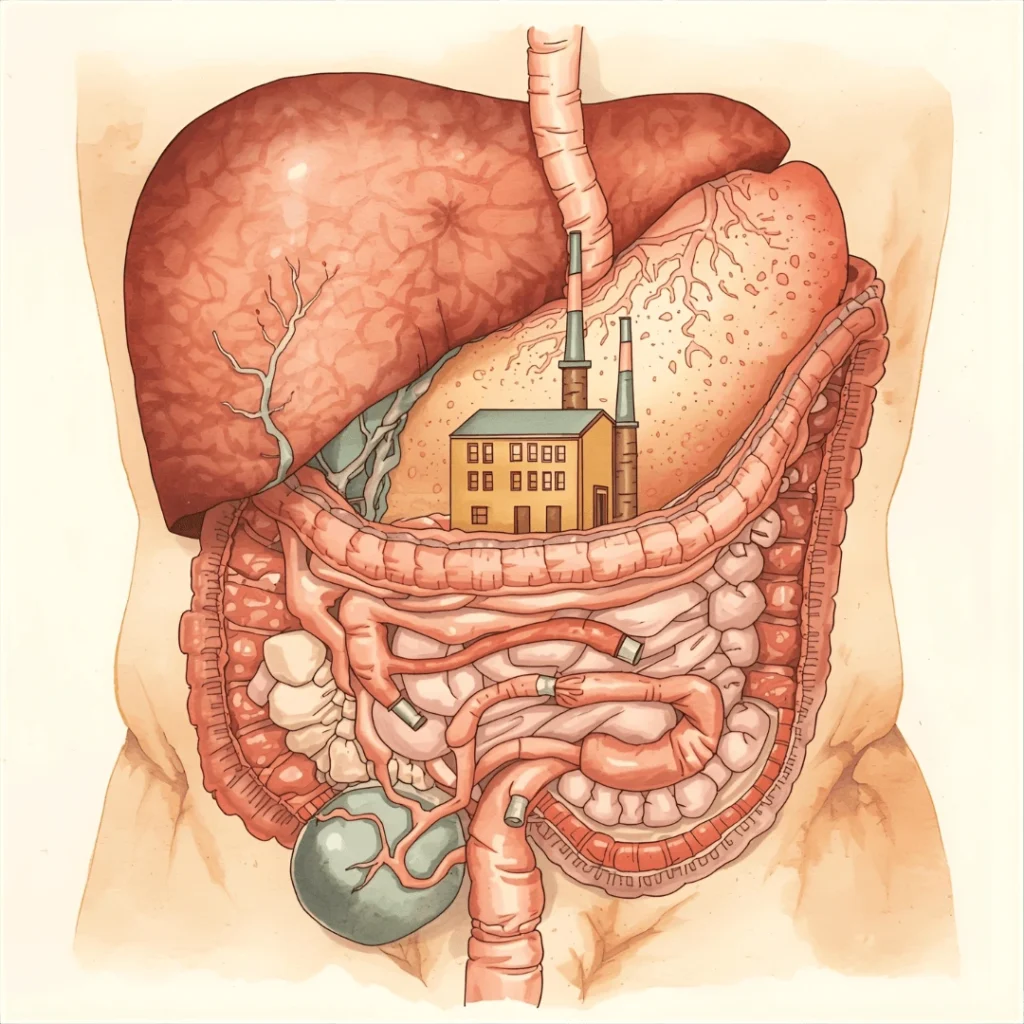
To understand this discovery, imagine the pancreas as a small factory with two main production lines:
- Alpha cells, which release glucagon to raise blood sugar.
- Beta cells, which secrete insulin to lower blood sugar.
When these two systems are balanced, glucose levels remain steady.
But the researchers behind this discovery found that SMOC1 acts as a “switch” between these two lines. If it turns on in the wrong place, within beta cells, it triggers confusion inside the cell machinery, leading to a loss of insulin output.
By identifying this mechanism, scientists have taken a major step toward understanding why beta cells fail in people with Type 2 Diabetes. More importantly, they believe that targeting SMOC1 could protect these cells or even reprogram damaged ones back into healthy, insulin-producing cells.
From Gene Discovery to Possible Cure
The study, conducted by a team of geneticists and endocrinologists, used a combination of human tissue samples and advanced genetic analysis. Their results were clear: when SMOC1 was silenced or blocked in experimental models, beta cells regained their normal function. Insulin production increased, and glucose regulation improved.
These findings suggest that SMOC1 could be a powerful therapeutic target. By developing drugs or gene-editing techniques to control this gene’s expression, future treatments might reverse beta-cell dysfunction, not just manage it. In other words, this discovery doesn’t just promise better blood-sugar control, it could attack the disease at its biological roots.
How This Differs From Current Type 2 Diabetes Treatments
Today, most diabetes medications, including metformin, GLP-1 receptor agonists, and insulin injections, focus on managing symptoms. They lower blood sugar or improve insulin sensitivity but do not restore the pancreas’s natural insulin production. That’s why millions of people must take medication or insulin for life. A treatment that regenerates or reprograms beta cells could completely change that picture. It could transform Type 2 Diabetes from a lifelong condition into a reversible metabolic imbalance. This new genetic discovery offers exactly that possibility, a curative pathway rather than a palliative one.
Early-Stage Research: Cautious Optimism Is Key
Although this finding is exciting, scientists emphasize that it’s still in its early stages. The experiments have so far been conducted in laboratories and animal models, not yet in large-scale human trials. Many discoveries that look promising at this stage later fail due to biological complexity, side effects, or unexpected interactions. Type 2 Diabetes isn’t caused by one factor alone. It’s a combination of:
- Genetic susceptibility
- Lifestyle factors like diet and exercise
- Insulin resistance in tissues such as the liver and muscles
Even if SMOC1-targeted therapy successfully restores beta cells, doctors will still need to address the body’s insulin resistance for a complete cure. Still, the research community considers this a critical step forward, because for the first time, scientists have found a gene that appears to control the identity and resilience of insulin-producing cells.
Expert Reactions: “A Turning Point in Diabetes Research”
Medical experts worldwide are calling this study one of the most promising genetic discoveries in diabetes research in years.
Dr. Elena Martinez, an endocrinologist not involved in the study, explained that “understanding how beta cells lose their identity has been the missing link in curing diabetes. This discovery brings us closer than ever to solving that mystery.” Similarly, geneticist Dr. Yusuf Ahmed noted that the SMOC1 gene might serve as a molecular lever that allows scientists to restore pancreatic balance. “If we can control SMOC1 activity,” he said, “we might be able to switch the pancreas back to its original healthy state.”
Such enthusiasm reflects the potential impact of this research but experts also stress that clinical applications may take years. Rigorous testing, safety assessments, and human trials are all necessary before any real treatment can reach patients.
What This Could Mean for Future Diabetes Care
If ongoing research confirms the role of SMOC1, the next decade could bring a revolution in diabetes care. Here’s how:
- Personalized Gene-Based Therapies
Doctors could screen patients for SMOC1 gene activity and design personalized treatments to restore pancreatic function. - Regenerative Medicine Approaches
Stem-cell therapy or gene editing (like CRISPR) could be used to reprogram existing beta cells or generate new ones. - Reduced Dependence on Medication
Instead of lifelong medication, patients might undergo short-term genetic or regenerative therapy to permanently reset their blood-sugar control. - Prevention of Disease Progression
Early detection of SMOC1 malfunction could allow preventive interventions, stopping diabetes before full onset.
These possibilities show how far-reaching this discovery could become not only treating diabetes but potentially erasing it at the molecular level.
Balancing Hope and Reality
Hope must walk hand in hand with realism. While genetic breakthroughs grab headlines, translating them into therapies is a long, meticulous process. From laboratory experiments to approved human treatments, the journey often spans 10 to 15 years. Along the way, scientists must prove safety, effectiveness, affordability, and ethical soundness. However, each discovery builds the foundation for the next. Just as insulin therapy transformed diabetes care in the 20th century, SMOC1-based therapies could define the 21st.
Practical Steps Until Then: Managing Type 2 Diabetes Effectively
Until genetic therapies become available, individuals living with Type 2 Diabetes can still take control of their health through science-backed lifestyle and medical strategies:
- Follow a balanced, low-glycemic diet rich in fiber and whole foods.
- Exercise regularly to improve insulin sensitivity.
- Monitor blood glucose levels and stay consistent with prescribed medication.
- Maintain a healthy weight to reduce stress on pancreatic cells.
- Stay informed about new research and discuss emerging treatments with healthcare professionals.
While a cure may still be on the horizon, every step toward better management improves quality of life and long-term outcomes.

Conclusion
The discovery of the SMOC1 gene’s role in Type 2 Diabetes represents a symbol of hope for millions of patients worldwide.
For decades, diabetes research has focused on controlling symptoms. Now, science is finally turning toward reversing the disease itself.
If ongoing studies confirm these early findings, SMOC1 could become the key to unlocking a real cure, transforming how we understand, treat, and perhaps one day eliminate Type 2 Diabetes altogether.