

Alternate day fasting involves abstaining from food for 24 hours every other day. Its popularity has surged in recent years as people seek more flexible and sustainable weight loss strategies.
New study suggests that alternate day fasting (ADF) may be more effective in reducing weight compared to other intermittent fasting methods or calorie-restricted diets. Although scientists recommend further research to confirm these findings, current evidence indicates that ADF, also known as the “feast and fast” system, could offer greater weight loss benefits.
In this article, we explore how alternate day fasting works, compare it to other diets, review its benefits, and provide practical guidance to start safely.
1.What Is Alternate Day Fasting?
Definition and Core Concept
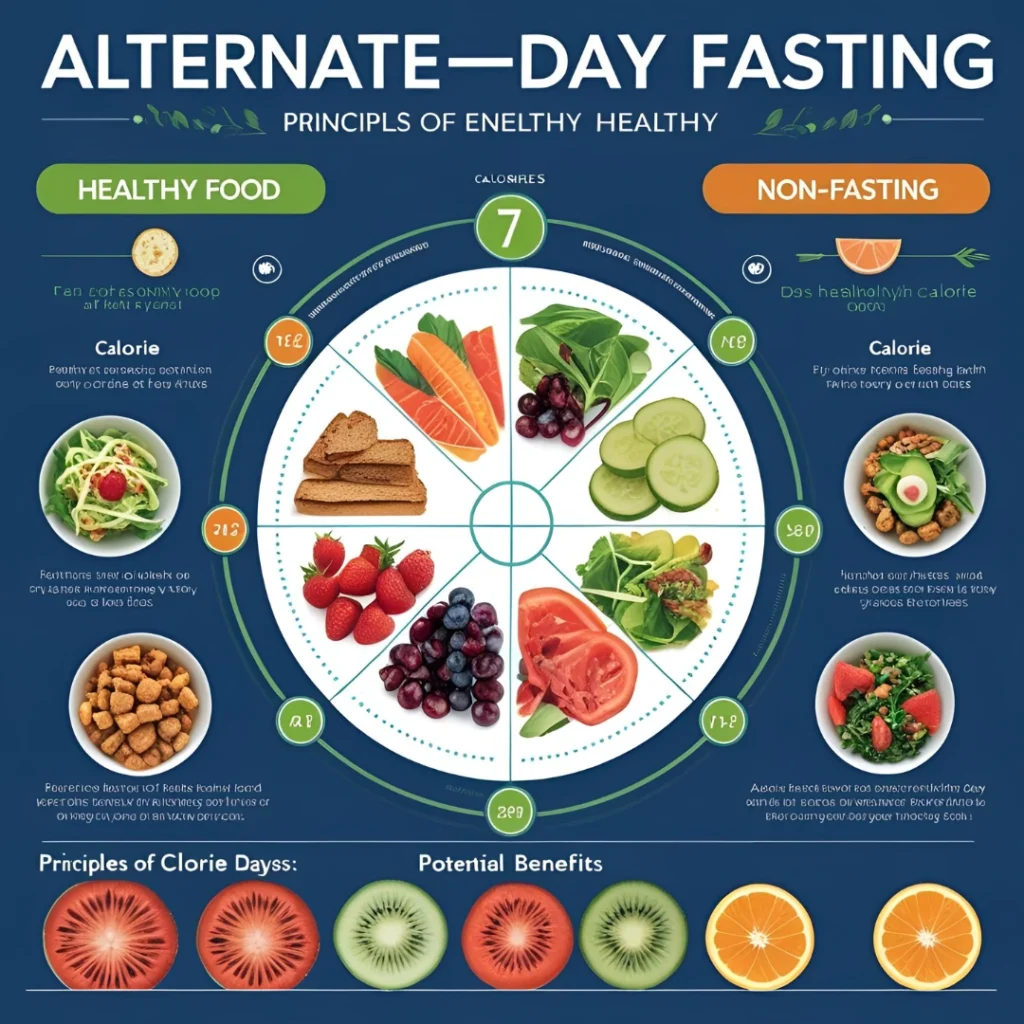
Alternate day fasting is an intermittent fasting method that alternates between full fasting days and regular eating days. On fasting days, individuals either completely abstain from food or consume a very limited number of calories.
Different Variations of ADF
There are two main approaches:
- Strict ADF: Complete fasting for 24 hours.
- Modified ADF: Consuming about 500 calories on fasting days.
Both methods aim to create a calorie deficit while supporting metabolic health.
Why Alternate Day Fasting Is Gaining Popularity
Many people find ADF easier to follow than continuous calorie restriction or daily time-restricted eating. The flexibility of eating freely every other day makes it an attractive option for long-term adherence.
2. Detailed Insights into the Study on Alternate Day Fasting

Scope and Methodology of the Study
The study reviewed data from 99 different research papers involving more than 6,500 participants. The average Body Mass Index (BMI) of the participants was around 31, indicating a population predominantly classified as obese. Approximately 89% of the participants had pre-existing health conditions, which made the evaluation of weight loss interventions particularly relevant.
Key Findings and Statistical Results
The study showed that both intermittent fasting methods and continuous calorie restriction led to weight loss. However, alternate day fasting was the only method that demonstrated significantly greater effectiveness compared to continuous calorie restriction. Participants following ADF lost, on average, 1.29 kilograms more than those on calorie-restricted diets. The impact of ADF compared to other fasting methods, like time-restricted eating or full-day fasting on specific days, was minor but consistently in favor of ADF.
Researchers’ Conclusions and Study Limitations
Researchers from Scotland, the United States, Canada, and Germany concluded that while all intermittent fasting and calorie-restricted diets showed weight loss benefits, ADF stood out as the most effective strategy. However, they emphasized the need for further long-term studies to validate these results and to better understand the sustainability and health impacts of ADF over time.
2. How Does Alternate Day Fasting Compare to Other Diets?

Comparison with Continuous Calorie Restriction
Traditional calorie restriction involves reducing daily caloric intake. Although it is effective, many find it hard to maintain. Research shows that alternate day fasting leads to greater weight loss, with participants losing on average 1.29 kilograms more than those on calorie-restricted diets.
Comparison with Time-Restricted Eating (16:8 Method)
Time-restricted eating allows eating within a limited daily window, typically 8 hours. Studies suggest that ADF produces slightly superior weight loss results compared to time-restricted eating, likely due to a larger weekly calorie deficit.
Comparison with the 5:2 Fasting Method
The 5:2 diet involves fasting for two non-consecutive days per week. Although effective, ADF provides more frequent fasting intervals, potentially leading to faster and more consistent weight loss.
4. Scientifically Proven Benefits of Alternate Day Fasting

Enhanced Weight Loss
ADF has consistently shown greater weight loss outcomes than other diets. It promotes fat burning while helping to preserve lean muscle mass. Participants in ADF studies often achieve more significant weight reductions compared to those using continuous calorie restriction.
Improved Blood Sugar Control
ADF can improve insulin sensitivity and lower fasting glucose levels. These benefits contribute to reduced risk of type 2 diabetes and better long-term metabolic health.
Cardiovascular Benefits
Studies indicate that alternate day fasting can reduce blood pressure, LDL cholesterol, and triglycerides, supporting overall heart health and reducing the risk of cardiovascular disease.
5. How to Practice Alternate Day Fasting Safely
Start Gradually
Begin with modified ADF by consuming small, balanced meals on fasting days. This helps your body adjust to the fasting pattern. Over time, you may transition to complete fasting if well tolerated.
Stay Hydrated and Eat Balanced Meals
During fasting days, it is crucial to drink plenty of water and avoid sugary drinks. On non-fasting days, focus on whole foods, lean proteins, healthy fats, and complex carbohydrates to support recovery and sustained energy.
Monitor Your Body’s Response
Pay attention to your body’s signals. Some people may experience fatigue, headaches, or lightheadedness at the beginning. These effects usually subside as the body adapts. If you have existing medical conditions, consult a healthcare provider before starting ADF.
Conclusion: Why Alternate Day Fasting Stands Out
Alternate day fasting emerges as a powerful strategy for effective weight loss and improved health. Compared to other intermittent fasting methods and continuous calorie restriction, ADF offers a slight but significant advantage in reducing body weight.
Research shows that ADF is particularly beneficial in the short term and may deliver superior results when practiced correctly. It promotes fat burning, improves metabolic markers, and enhances cardiovascular health.
By starting gradually, staying hydrated, and listening to your body, you can safely integrate alternate day fasting into your lifestyle. Whether your goal is to lose weight, stabilize blood sugar, or improve heart health, alternate day fasting is a scientifically supported and practical option to consider.