

Walk through any pharmacy aisle in the U.S. or U.K., and you’ll find shelves packed with colorful bottles promising better energy, stronger immunity, glowing skin, or sharper focus. From vitamin D to multivitamins and omega-3 capsules, dietary supplements have become a daily ritual for millions.
But here’s the question that more people are starting to ask: Are these supplements really helping, or are they just a clever way to drain your wallet?
Let’s unpack the science, the myths, and the facts behind one of the biggest wellness industries on Earth.
The Rise of the Supplement Culture

Over the past two decades, supplements have grown into a $160 billion global industry, with Americans alone spending over $50 billion each year. The U.K. market is also booming, fueled by the promise of “natural health” and self-care.
Advertising often frames supplements as shortcuts to better health—something to “fill in the gaps” in your diet. But according to most nutritionists, that’s not how the human body works.
“People want something tangible when it comes to health. It’s easier to swallow a pill than to change what’s on your plate,” says registered dietitian Melissa Magundar.
This desire for quick fixes is understandable. But science tells a more nuanced story.
What the Experts Actually Say
According to the U.S. Preventive Services Task Force (USPSTF), there’s little to no evidence that most vitamin and mineral supplements prevent chronic diseases such as heart disease, stroke, or cancer.
In fact, certain supplements can even do harm. For instance:
- Vitamin E has shown no proven benefit for disease prevention.
- Beta-carotene, a plant compound converted into vitamin A in the body, may increase the risk of lung cancer, especially among smokers.
Dr. John Wong, a physician at Tufts University and member of the USPSTF, explains:
“Vitamin E supplements offer no protection against cancer or cardiovascular disease. Beta-carotene, in some cases, does the opposite, it raises the risk.”
So while many people think popping a vitamin every morning is a health insurance policy, the evidence suggests otherwise.
Why “More” Isn’t Always Better

The human body is a brilliant machine. It’s designed to extract what it needs from whole foods, not pills. Vitamins, minerals, and antioxidants work in synergy when consumed naturally through fruits, vegetables, grains, and proteins.
When you isolate one nutrient into a capsule, that synergy disappears. The body either absorbs too little or too much. Excess fat-soluble vitamins (A, D, E, K) can build up to toxic levels, causing nausea, headaches, or even organ damage over time.
Water-soluble vitamins like vitamin C or B-complex are usually flushed out through urine if you take more than your body can use. That means your “extra boost” literally goes down the drain.
The Placebo Power of Pills
It’s worth noting that some people genuinely feel better when they take supplements. Their energy increases, their skin looks brighter, and they get sick less often or so it seems.
But in many cases, this improvement may come from the placebo effect, a psychological phenomenon where belief alone triggers a real sense of well-being.
That doesn’t make the feeling fake. It simply means that mindset plays a massive role in perceived health benefits. However, relying on placebo is not the same as receiving true physiological nourishment.
When Supplements Can Be Useful
While supplements aren’t magic, they do have their place in modern nutrition. There are specific groups of people who can genuinely benefit from targeted supplementation:
1. Pregnant Women
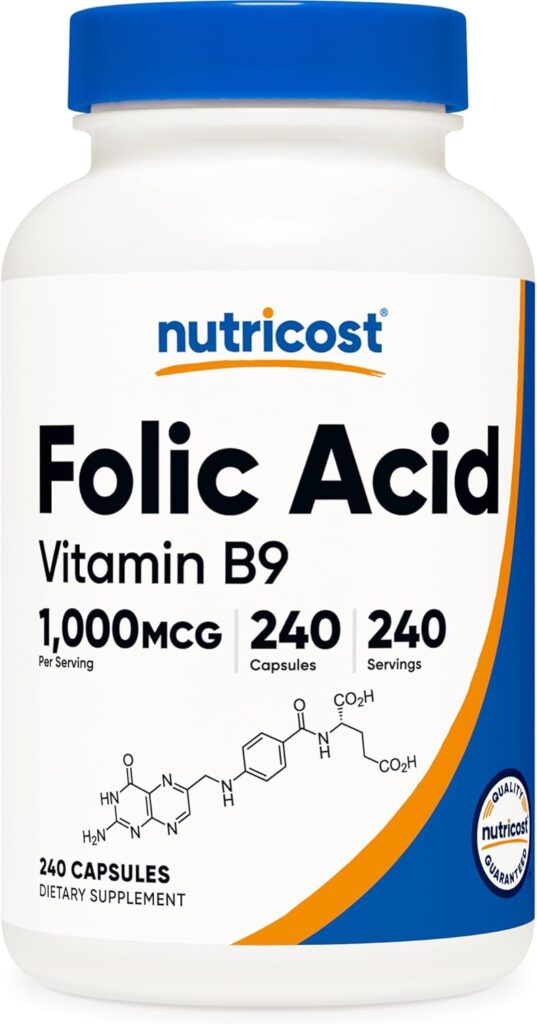
Doctors often recommend folic acid during pregnancy to reduce the risk of birth defects in the baby’s brain and spine. This is one of the few supplements strongly backed by science.
2. People with Limited Sun Exposure
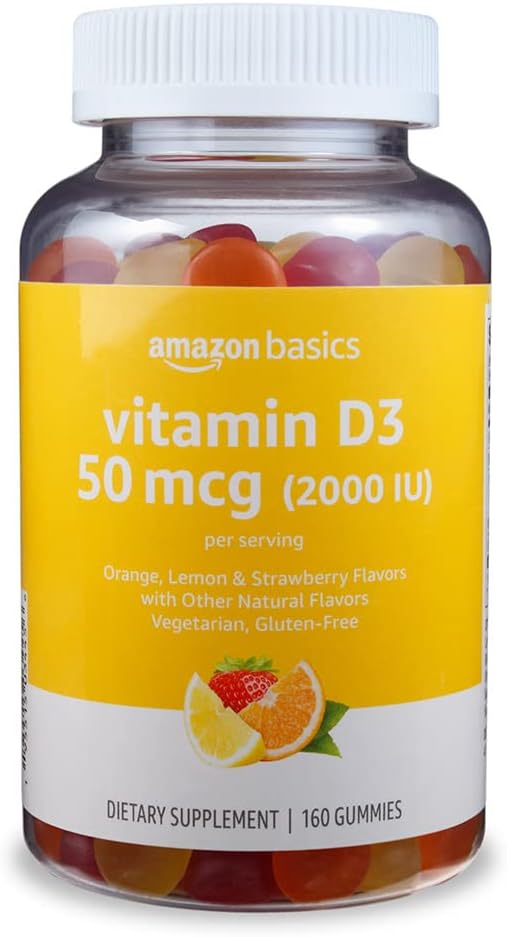
If you live in a cloudy region or spend little time outdoors, a vitamin D supplement may be helpful. Vitamin D supports bone health, immune function, and mood regulation.
3. Vegans and Vegetarians
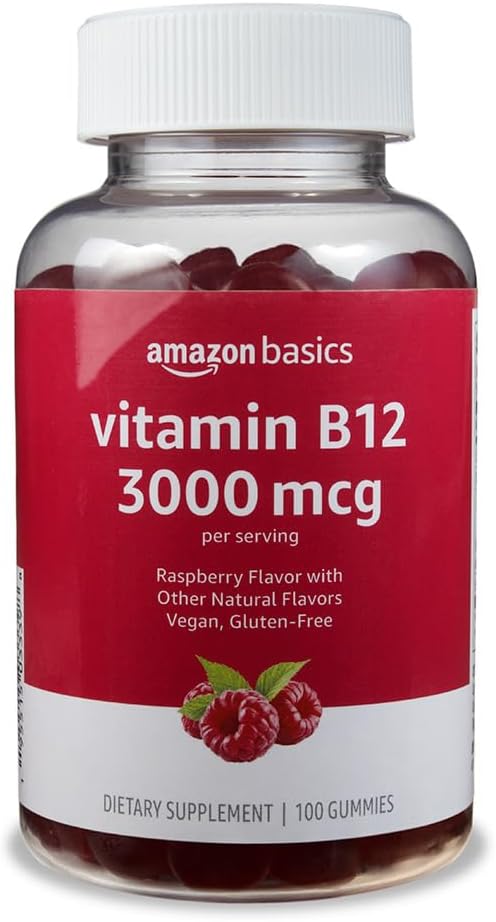
Because plant-based diets exclude animal products, vitamin B12 supplementation is essential to prevent anemia and nerve issues.
4. Older Adults
As we age, nutrient absorption decreases. Supplements containing calcium, vitamin D, or B12 can help maintain bone density and cognitive health.
5. People with Medical Conditions
Certain diseases or medications interfere with nutrient absorption. In these cases, doctors may prescribe supplements as part of a personalized treatment plan.
So the real question isn’t whether supplements work, it’s whether you actually need them.
The Hidden Risks of “Natural” Products
The word “natural” often creates a false sense of safety. But not all supplements are harmless.
Some herbal or botanical products interact with medications, making them less effective or dangerously potent. For example:
- St. John’s Wort, used for depression, can interfere with birth control pills and antidepressants.
- Ginkgo biloba may increase bleeding risk when taken with blood thinners.
- Kava and valerian root, popular for anxiety or sleep, can damage the liver if misused.
Moreover, dietary supplements are not strictly regulated by the FDA in the U.S. Manufacturers are responsible for their own safety claims, which means that purity and potency can vary widely between brands.
In the U.K., the MHRA (Medicines and Healthcare products Regulatory Agency) oversees supplements, but labeling and dosage guidelines are still looser than for medicines. Always look for third-party testing and certifications before purchasing.
Food: The Original Multivitamin
If there’s one message nutrition science keeps repeating, it’s this: real food beats pills every time.
A balanced diet rich in colorful fruits, leafy greens, lean proteins, and whole grains provides the full spectrum of nutrients your body needs, along with fiber, enzymes, and antioxidants that pills can’t replicate.
Eating your vitamins in their natural form also promotes slower digestion, steadier energy levels, and better overall absorption.
As dietitian Dr. Rhiannon Lambert puts it:
“Supplements should complement a healthy diet, not replace it. Your plate, not your pill bottle, is where true wellness begins.”
How to Choose Supplements Wisely
If you decide to take supplements, here’s how to do it safely and effectively:
- Check with your doctor or registered dietitian before starting anything new.
- Choose reputable brands certified by independent labs (USP, NSF, or Informed Choice).
- Avoid mega-doses. More is rarely better. Stick to the recommended daily allowance (RDA).
- Read ingredient labels carefully. Watch out for fillers, artificial dyes, and added sugars.
- Track your response. Note how your body feels after a few weeks—then reassess if it’s truly helping.
The Psychology Behind the Pill
Why do intelligent, health-conscious people still spend billions on supplements that science says might not work?
Because supplements offer something powerful: hope and control. They represent an easy, empowering action in a world full of health uncertainties. Swallowing a vitamin feels like taking charge, even if the results are invisible. This emotional comfort shouldn’t be dismissed. But awareness matters. Supplements can support your health journey, not define it.
Final Verdict: Are Supplements a Waste of Money?
The answer depends on how and why you use them. If you eat a varied, balanced diet and have no medical deficiencies, most supplements are unnecessary and can indeed be a waste of money. But for people with specific needs, pregnant women, vegans, older adults, or those with absorption issues, they can be life-changing.
The key lies in intentional, informed use, not blind consumption. In short, supplements can fill a gap, but not fix a lifestyle.
They can support, but never replace real nutrition.
The most powerful “supplement” remains what’s on your fork.
Key Takeaways
- Most supplements don’t prevent chronic diseases.
- Some, like beta-carotene, can be harmful in excess.
- Food-first nutrition is always superior to pills.
- Certain populations do benefit from supplementation.
- Always consult a healthcare professional before starting any new regimen.