
Switching to organic doesn’t mean you have to spend a fortune. By following the proposed Budget-Friendly Organic Shopping strategy you can enjoy the benefits of organic food while staying within your budget. Start small, make gradual changes, and soon, organic eating will become an affordable part of your lifestyle!
Follow these 8 step for Budget-Friendly Organic Shopping
1. Focus your organic spending on the produce that matters most
2. Shop at Farmers’ Markets and Local Farms
3. Buy in Bulk
4. Look for Store own organic brands
5. Join a CSA or Food Co-op
6. Grow Your Own Organic Produce
7. Choose Frozen or Canned Organic Options
8. Cook More Meals at Home
Let’s go for more details:
1. Focus your organic spending on the produce that matters most
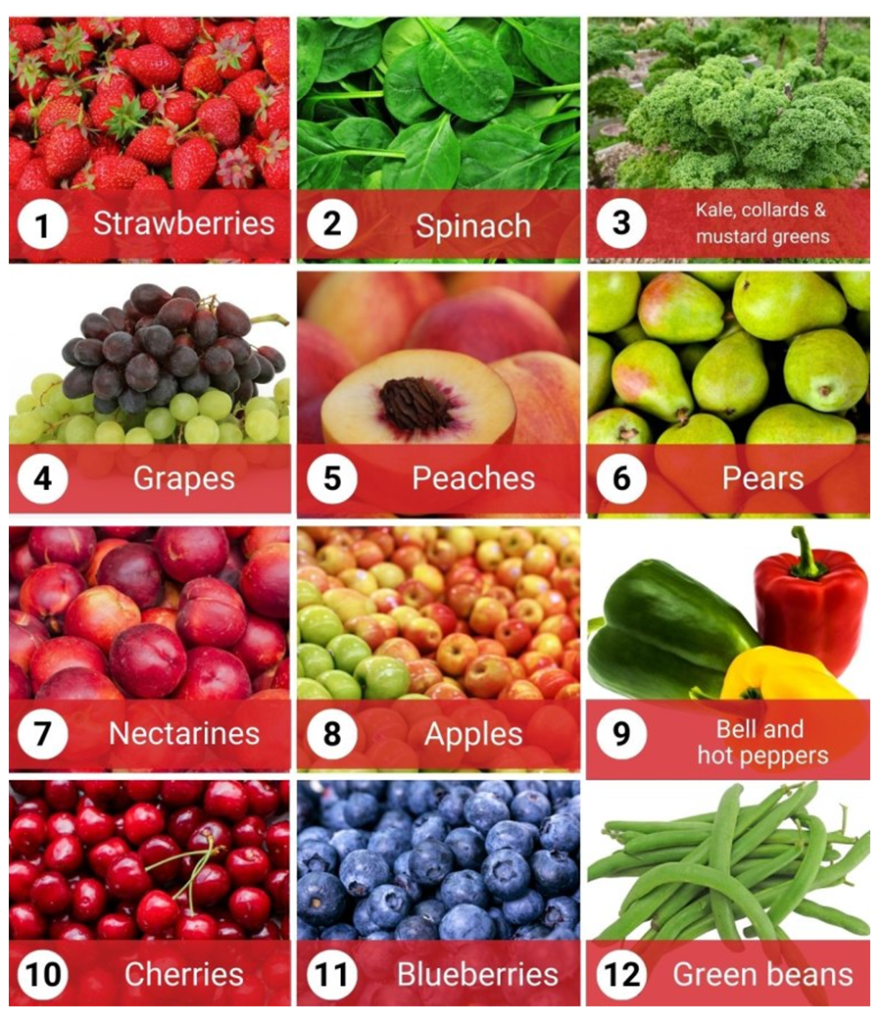
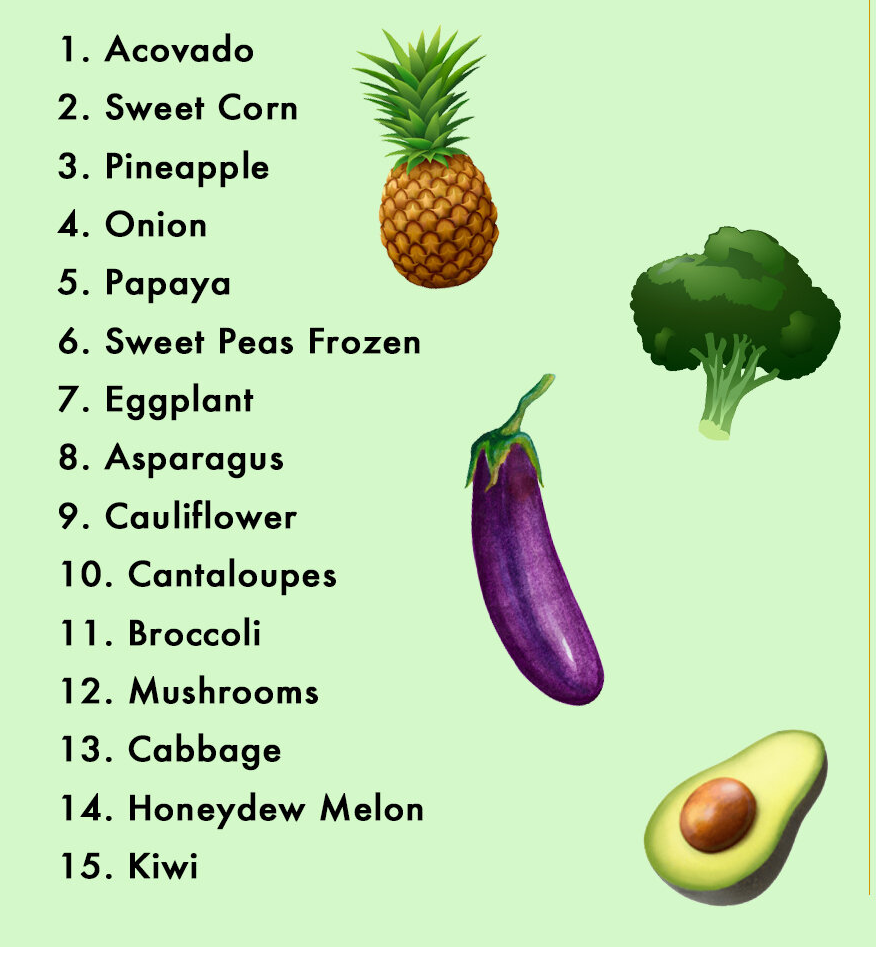
The Environmental Working Group (EWG) releases the Dirty Dozen and Clean Fifteen lists every year. By following these lists, you can focus your organic spending on the produce that matters most.
1.1 The Dirty Dozen 2024 (Best to Buy Organic):
The Dirty Dozen includes the fruits and vegetables most contaminated with pesticides, making them worth buying organic.
1.2.The Clean Fifteen (Okay to Buy Conventional):
The Clean Fifteen contains produce with the least pesticide residue, so you can buy conventional versions of these to save money.
2. Shop at Farmers’ Markets and Local Farms
Local farmers often grow organic food without the expensive certification, meaning you can get fresh, pesticide-free produce at a lower cost. Many farmers’ markets offer discounts at the end of the day when vendors are trying to sell off their remaining stock.
3. Buy in Bulk

Organic grains, beans, nuts, and seeds are often more affordable when purchased in bulk. Stores like Whole Foods, Sprouts, and local co-ops have bulk bins that allow you to buy just the amount you need, reducing waste and cost.
4. Look for Store own organic brands
Many grocery stores offer their own organic brands, which are cheaper than name brands. Some popular affordable organic brands include:

- 365 by Whole Foods Market
- Simple Truth (Kroger)
- Trader Joe’s Organic
- Aldi’s Simply Nature
5. Join a CSA or Food Co-op
Community Supported Agriculture (CSA) programs allow you to buy a share of a local farm’s produce for a set price. This often results in lower costs compared to grocery stores. Food co-ops, which are member-owned grocery stores, also offer discounts to members who contribute to the store’s operation.
6. Grow Your Own Organic Produce
Even if you have limited space, growing herbs, tomatoes, or leafy greens in containers can cut your organic grocery bill significantly. Community gardens are another great option for fresh, low-cost organic produce.
7. Choose Frozen or Canned Organic Options
Frozen organic fruits and vegetables are often cheaper than fresh and have the same nutritional value. Look for no-salt-added and BPA-free canned organic goods for budget-friendly, long-lasting options.
8. Cook More Meals at Home
Eating out is costly, and restaurant meals often contain non-organic ingredients. Cooking at home with simple, whole ingredients is one of the most effective ways to keep your organic food budget in check.