
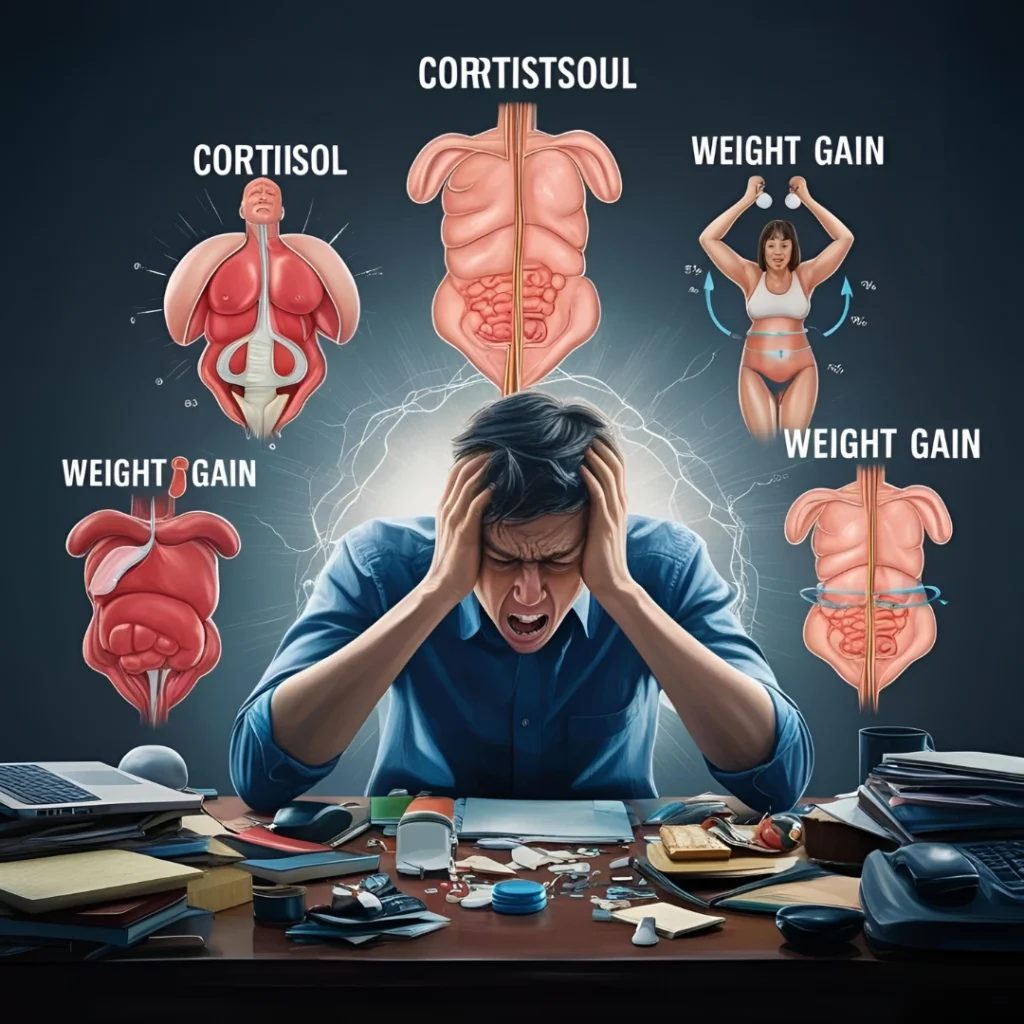
Cortisol plays a critical role in your body’s response to stress, metabolism, and even how your body stores fat. But when cortisol levels stay high for too long, due to chronic stress, poor sleep, or other lifestyle factors, it can lead to weight gain, especially around the belly.
In this post, we’ll break down how cortisol affects your weight, the signs of high cortisol levels, and most importantly, how to naturally lower cortisol and support a healthier, more balanced lifestyle.
Whether you’re dealing with stress-related weight issues or just want to understand your body better, this guide will give you the answers you need.
What Is Cortisol and Why Does It Matter?
Cortisol is a steroid hormone produced by your adrenal glands, located just above your kidneys. Often called the “stress hormone,” cortisol plays a vital role in your body’s fight-or-flight response, a built-in mechanism that helps you react to danger. But cortisol does more than just respond to emergencies. It also affects:
- Metabolism
- Blood sugar regulation
- Inflammation control
- Sleep-wake cycles (your circadian rhythm)
- Blood pressure and energy balance
The HPA Axis and Cortisol Regulation
Cortisol production is controlled by the hypothalamic-pituitary-adrenal (HPA) axis. When you experience stress, whether physical, emotional, or psychological, your brain sends signals to release cortisol into your bloodstream. In small doses, cortisol is helpful. It gives you a quick energy boost, sharpens your focus, and helps your body recover. But when stress becomes chronic, cortisol levels can stay elevated longer than they should.
Cortisol and Your Daily Rhythm
Your cortisol levels follow a natural rhythm, highest in the morning to help you wake up and lowest at night so you can sleep. Disruptions to this rhythm, such as lack of sleep, shift work, or chronic stress, can lead to hormonal imbalances that affect your health, especially your weight.
When Cortisol Becomes a Problem
The trouble begins when your body produces too much cortisol for too long. This is often due to:
- Long-term emotional stress
- Poor sleep habits
- Overtraining or excessive exercise
- Caffeine or stimulant overuse
Chronically high cortisol can lead to weight gain, particularly belly fat, because it signals the body to store energy for survival, even when there’s no real danger.
How Cortisol Contributes to Weight Gain

While cortisol is essential for survival, too much of it can disrupt your body’s balance, especially when it comes to weight management. Chronic stress and consistently elevated cortisol levels can trigger a cascade of effects that lead to weight gain, particularly around the abdomen.
Cortisol’s Role in Fat Storage and Metabolism
High cortisol levels can slow down your metabolism and promote fat storage, especially visceral fat, the dangerous fat that surrounds your internal organs. This happens because cortisol signals your body to hold on to energy reserves, which translates into more stored fat. Increased cortisol also contributes to insulin resistance, making it harder for your body to process sugar and burn fat efficiently.
High Cortisol and Increased Appetite
Cortisol also affects your appetite and cravings. Elevated cortisol levels can increase hunger hormones like ghrelin, leading to more frequent cravings for sugary, salty, and high-fat foods. Emotional or stress eating becomes more likely, especially during times of mental or physical exhaustion.
Sleep Deprivation, Cortisol, and Weight Gain
Lack of quality sleep can raise your cortisol levels the next day. This creates a cycle where poor sleep increases cortisol, which then triggers weight gain, fatigue, and even more poor sleep. Sleep deprivation also lowers levels of leptin, the hormone responsible for signaling fullness, making it even harder to regulate appetite.
Adrenal Fatigue and Hormonal Imbalance
Though still debated in the medical community, many people report symptoms of what’s commonly called adrenal fatigue, a state where prolonged stress exhausts the adrenal glands. Symptoms can include low energy, stubborn weight gain, brain fog, and cravings, often linked to cortisol dysregulation. Whether or not “adrenal fatigue” is a clinical diagnosis, the underlying hormonal imbalance is real and worth addressing.
Signs and Symptoms of High Cortisol

You might not immediately associate stress with weight gain, but your body often sends clear signals when cortisol levels are too high. Recognizing the symptoms of elevated cortisol can help you take action before it significantly impacts your health and waistline.
Physical Signs to Watch For
- Weight gain, especially around the belly or face
(Often called “cortisol belly” or “stress belly”) - Muscle weakness or breakdown
(Cortisol can break down muscle tissue to release energy) - Thinning skin and easy bruising
(Due to cortisol’s impact on collagen production) - Frequent fatigue or feeling “wired but tired”
Mental and Emotional Symptoms
- Anxiety and nervousness
(Cortisol affects the brain’s response to stress) - Irritability or mood swings
- Poor concentration or “brain fog”
- Low motivation or burnout
(Often mistaken for depression or laziness)
Cortisol Testing and Diagnosis
If you suspect your cortisol is out of balance, medical testing can confirm it. Common cortisol tests include:
- Saliva test: Measures cortisol at different points of the day
- Blood test: Often done in the morning when cortisol is highest
- 24-hour urine test: Gives a full-day cortisol profile
These tests can help detect conditions like Cushing’s syndrome (high cortisol) or Addison’s disease (low cortisol), though most people with stress-related weight gain fall in a more moderate imbalance.
When to Seek Medical Advice
If you’re experiencing multiple symptoms, especially unexplained weight gain, chronic fatigue, or mood issues, it’s a good idea to consult your healthcare provider. Managing cortisol is not just about looking better; it’s about protecting your long-term health, hormone balance, and emotional well-being.
How to Lower Cortisol Naturally
If you suspect high cortisol is affecting your weight and overall well-being, the good news is that there are effective, natural ways to reduce cortisol levels. Making small, consistent changes in your diet, exercise, and daily habits can help restore hormonal balance and support long-term health.
Eat a Balanced, Anti-Inflammatory Diet
Certain foods can help stabilize your blood sugar and reduce inflammation, both of which help regulate cortisol. Focus on:
- Whole foods: fruits, vegetables, whole grains, and healthy fats
- Omega-3-rich foods: like salmon, chia seeds, and walnuts
- Magnesium-rich foods: such as leafy greens, nuts, seeds, and dark chocolate
- Avoiding excess sugar and caffeine, which can spike cortisol
Eating regularly and avoiding blood sugar crashes also helps keep cortisol in check.
Exercise, But Don’t Overdo It
Moderate physical activity helps reduce stress and improve cortisol sensitivity. Great options include:
- Brisk walking or cycling
- Strength training 2–3 times a week
- Yoga, Pilates, or tai chi for calming the nervous system
Be cautious with intense, high-volume workouts, which can temporarily raise cortisol, especially if you’re already under stress or sleep-deprived.
Practice Stress-Relief Techniques Daily
Cortisol is tightly linked to your mental and emotional state. Daily mind-body practices can significantly lower stress hormone levels:
- Meditation or deep breathing exercises
- Mindfulness or gratitude journaling
- Progressive muscle relaxation
- Spending time in nature or unplugging from devices
Even 10–15 minutes a day can make a noticeable difference in how your body handles stress.
Consider Natural Supplements (With Caution)
Some herbs and nutrients are known for their adaptogenic or cortisol-regulating effects. Common ones include:
- Ashwagandha: An adaptogen that helps the body manage stress
- Rhodiola rosea: Supports energy and resilience under stress
- Magnesium: Supports relaxation and sleep
- Phosphatidylserine: May help lower cortisol after intense activity
Always consult a healthcare professional before starting any new supplement—especially if you’re pregnant, on medication, or have underlying conditions.