
The demand for organic food in the United States continues to rise. Consumers are seeking fresh, chemical-free produce, dairy, and meats that support their health and the environment. But finding trustworthy organic farms near you can sometimes be a challenge.
Finding organic farms near you is easier than ever. Many helpful tools are now available to allow you to locate certified organic farms, local farmers’ markets, and community-supported agriculture (CSA) programs across the US. Whether you’re looking for farm-fresh vegetables, pasture-raised meats, or organic dairy, using an organic farm locator can connect you with sustainable farms in your area.
In this guide, we’ll explore how and where to find USDA-certified farms, and why supporting local organic farmers is essential for health, sustainability, and the economy.
1. How to Find Organic Farms Near You
Finding organic farms near you is easier than ever. Many tools and resources help locate certified organic farms, farmers’ markets, and CSA programs. Whether you prefer online maps or local directories, you have plenty of options.
1.1 Use the USDA Organic Farm Database ( Official Database here)
The United States Department of Agriculture (USDA) maintains a list of certified organic farms. This database ensures that all listed farms meet organic certification standards. You can search by location to find farms that offer fresh produce, dairy, and meats.
1.2 Check State and Local Organic Farm Directories
Many states have their own organic farm directories. For example, organizations like California Certified Organic Farmers (CCOF) (visit the official website) and Oregon Tilth provide lists of local organic farms. Additionally, these directories often include farm details, products, and contact information.
1.3 Visit Farmers’ Markets and CSA Programs
Local farmers’ markets are great places to find organic produce. Many small organic farms sell directly to consumers at these markets. Another option is joining a Community-Supported Agriculture (CSA) program. CSAs allow you to subscribe to weekly or monthly deliveries of fresh, organic food from local farms.
1.4 Use Online Organic Farm Maps and Apps
Several websites and apps make finding organic farms even easier. Platforms like LocalHarvest and EatWild provide interactive maps of organic farms, markets, and CSA programs. These tools help you locate the best organic food sources near you. It’s a win for you, farmers, and the planet!
2.Top Certified Organic Farms Across the US
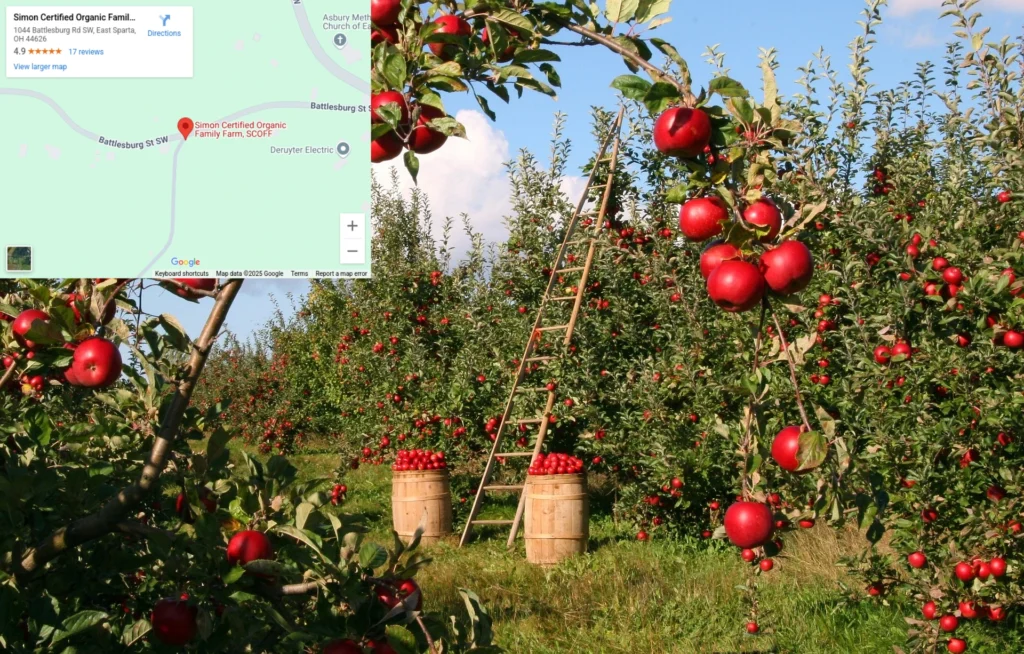
The United States has thousands of certified organic farms, each offering fresh, chemical-free produce, dairy, and meats. These farms follow strict USDA organic standards, ensuring high-quality, sustainable food. Here are some of the top organic farms across different regions.
2.1 Best Organic Farms in California
California leads the nation in organic farming. Large organic farms like Lundberg Family Farms grow organic rice using sustainable practices. Earthbound Farm, one of the largest organic produce brands, started as a small farm and now supplies organic greens nationwide. Many smaller CSA farms in California provide fresh, seasonal produce directly to consumers.
2.2 Popular Organic Farms in the Midwest
The Midwest is home to organic dairy farms and family-run vegetable farms. Organic Valley, based in Wisconsin, is one of the most well-known organic dairy cooperatives. In Minnesota, Featherstone Farm offers CSA memberships, providing organic vegetables year-round. The region also has many grain and soybean farms that follow sustainable agriculture practices.
2.3 Sustainable Organic Farms in the Northeast
The Northeast is known for its small, family-owned organic farms. Stone Barns Center for Food & Agriculture in New York focuses on sustainable farming and education. Red Fire Farm in Massachusetts provides organic fruits and vegetables through farmers’ markets and CSA programs. Many organic apple orchards in Vermont and New Hampshire supply fresh, pesticide-free apples.
2.4 Organic Farming in the South
Southern states have a growing number of organic farms. For example, White Oak Pastures in Georgia practices regenerative agriculture, raising grass-fed cattle and free-range poultry. Additionally, in Texas, Boggy Creek Farm is one of the oldest urban organic farms, selling fresh produce directly to consumers. Furthermore, many farms in Florida specialize in organic citrus fruits and tropical produce.
Each region in the US offers unique organic farming practices. By exploring these farms, you can find high-quality organic food while supporting sustainable agriculture.
3.Benefits of Supporting Local Organic Farms

Choosing to buy from local organic farms benefits your health, the environment, and the economy. When you support organic farmers, you promote sustainable agriculture, reduce your carbon footprint, and enjoy fresher, healthier food. Here are some key benefits of shopping locally for organic produce.
3.1 Health Benefits of Organic Food
Organic food is grown without synthetic pesticides, herbicides, or genetically modified organisms (GMOs). This means fewer harmful chemicals in your diet. Studies show that organic fruits and vegetables often contain higher levels of antioxidants and nutrients. Organic dairy and meat products also have more healthy omega-3 fatty acids, improving heart health.
3.2 Environmental Impact of Organic Farming
Organic farms use sustainable practices that protect the environment. For instance, they avoid harmful pesticides and synthetic fertilizers, keeping soil and water clean. Moreover, many organic farms practice crop rotation, composting, and regenerative farming, which improve soil health and promote biodiversity. As a result, by supporting USDA-certified organic farms, you help reduce pollution and protect natural ecosystems.
3.3 Economic Benefits for Local Farmers and Communities
When you buy from local organic farms, you support small family farms instead of large industrial agriculture. This strengthens local economies by keeping money within the community. Many organic farms also hire local workers, creating more jobs in rural areas. Additionally, farmers’ markets and CSA programs help farmers earn fair prices for their products.
3.4 Better Taste and Food Quality
Freshly harvested organic food tastes better. Since local farms sell directly to consumers, their produce is fresher than store-bought alternatives. Many organic farms grow heirloom fruits and vegetables, which have richer flavors than mass-produced varieties. Buying locally also ensures you get food at peak ripeness, maximizing flavor and nutrition.
Supporting local organic farms is a simple way to improve your diet, protect the environment, and strengthen your community. In addition, every purchase helps farmers continue sustainable practices, ensuring fresh, healthy food for future generations.
4. How to Get Involved with Organic Farming
Supporting organic farming goes beyond simply buying organic produce. There are many ways to get more involved and make a positive impact on both your health and the environment. Whether you visit farms, join local programs, or even start your own garden, here’s how you can become part of the organic farming movement.
4.1 Visit Organic Farms and Farmers’ Markets
One of the easiest ways to get involved is by visiting local organic farms and farmers’ markets. Many farms offer tours where you can learn about organic farming practices and see firsthand how food is grown. You can also speak directly with the farmers about their methods and products. Visiting farmers’ markets allows you to connect with local producers, enjoy fresh, in-season food, and support small businesses.
4.2 Join a CSA Program
A Community-Supported Agriculture (CSA) program allows you to subscribe to fresh, seasonal produce directly from local organic farms. With a CSA, you receive a weekly or monthly share of produce, meats, dairy, and other farm products. This not only supports organic farmers but also ensures you’re eating fresh, sustainably grown food. Joining a CSA is an easy way to incorporate more organic foods into your diet and become an active supporter of local agriculture.
4.3 Start Your Own Organic Garden
You don’t have to own a large farm to practice organic farming! Starting your own organic garden at home is a great way to grow fresh, chemical-free produce. Even if you only have a small space, you can grow herbs, vegetables, and fruits organically. Learning about organic gardening practices like composting, crop rotation, and using natural pest control will help you create a healthier environment in your own backyard.
4.4 Follow USDA Organic Certification Standards
If you’re interested in starting your own farm, consider getting USDA organic certification. Becoming a certified organic farmer requires adhering to strict farming practices and undergoing a thorough certification process. By following USDA organic standards, you can contribute to the growing organic farming community and help others make healthier, sustainable food choices.
Getting involved with organic farming doesn’t have to be difficult. Whether it’s through visiting farms, joining a CSA, starting your own garden, or becoming a certified organic farmer, you can help create a more sustainable future for food production
In conclusion, organic farming is a crucial part of creating a healthier, more sustainable future. By using an Organic Farm Map, you can easily find local, certified organic farms, farmers’ markets, and CSA programs near you. Supporting these farms not only gives you access to fresher, healthier food but also helps protect the environment and strengthen local communities.
Whether you visit farms, join a CSA, or start your own garden, there are countless ways to get involved with organic farming. Every small action makes a difference in promoting sustainable agriculture and fostering a healthier planet