
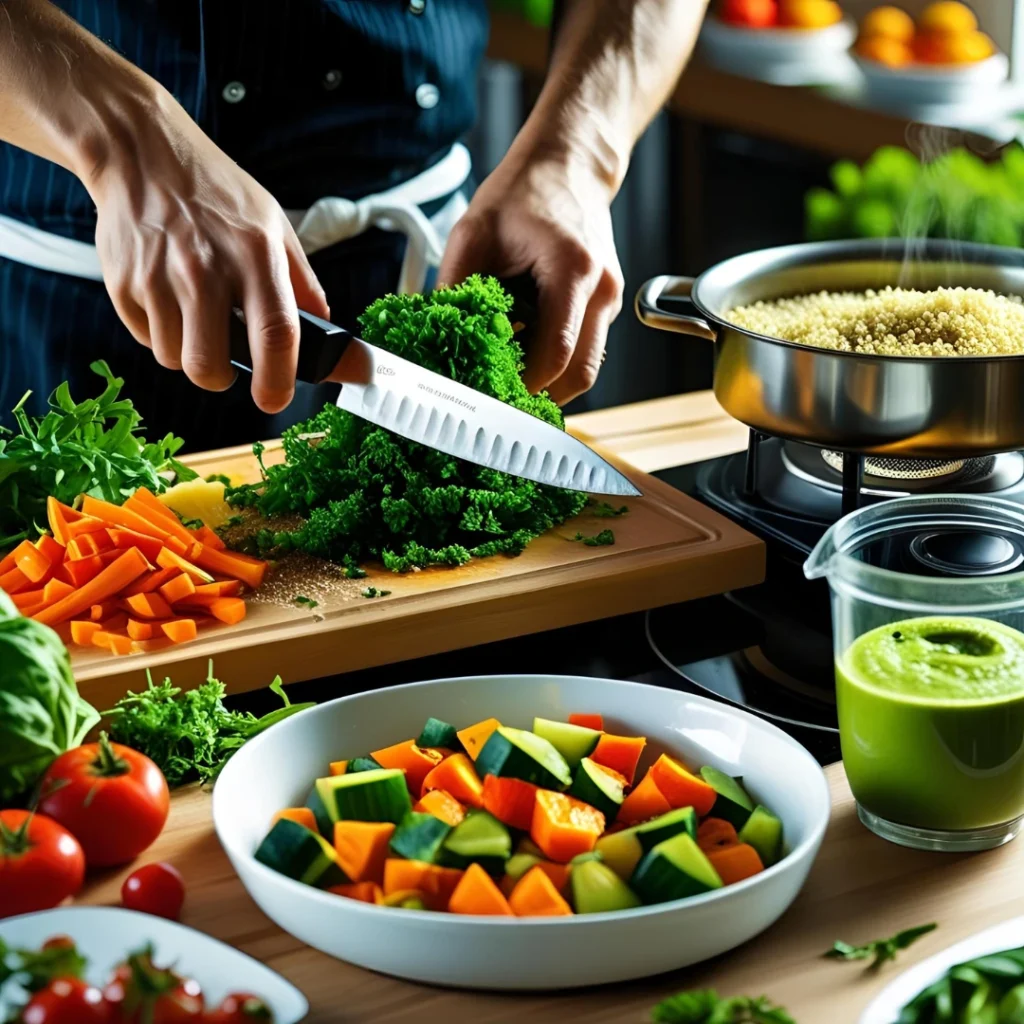
Healthy cooking methods have become essential tools for promoting long-term well-being. The way we prepare our food has a significant impact on the nutritional value we consume, the way our bodies process meals, and ultimately our overall health. Understanding how to cook food properly can help preserve vitamins, minimize unhealthy fats, and bring out natural flavors without relying on processed additives. Whether your goal is weight loss, disease prevention, or simply enjoying wholesome meals, adopting healthier cooking practices can profoundly improve your daily life.
In this article, we will explore the best healthy cooking methods, practical tips for improving your cooking habits, common mistakes to avoid, and the long-term health benefits of choosing these nutritious techniques. Let’s dive into how you can elevate your cooking while protecting your health.
Why Healthy Cooking Methods Matter

Nutrient Preservation
One of the most important reasons to adopt healthy cooking methods is to preserve the natural nutrients in your food. Certain vitamins, particularly water-soluble ones like vitamin C and many B vitamins, can be easily destroyed when exposed to high heat, prolonged cooking times, or large amounts of water. For example, boiling vegetables for extended periods can cause these nutrients to leach into the cooking water, leaving your meal less nutritious. By using methods like steaming or sautéing, you retain more vitamins and minerals, ensuring your body receives the maximum health benefits from every ingredient.
Lowering Fat Intake
Unhealthy cooking techniques such as deep frying or pan-frying often require large quantities of oil, increasing the calorie and fat content of meals. Over time, regularly consuming such foods can contribute to weight gain, elevated cholesterol levels, and heart disease. In contrast, healthy cooking methods minimize or eliminate the need for added fats while still delivering satisfying, flavorful dishes. Techniques like grilling, baking, and steaming naturally reduce fat content without compromising taste.
Enhancing Natural Flavors
Healthy cooking focuses on bringing out the natural flavors of food rather than masking them with heavy sauces or excessive seasonings. By grilling vegetables or lightly sautéing fish in olive oil, you can highlight the freshness and quality of your ingredients. Incorporating herbs, spices, citrus, and natural broths instead of salt or processed condiments can significantly improve the taste and health value of your meals.
Supporting Long-Term Health
The cumulative effect of healthy cooking extends far beyond individual meals. When practiced consistently, it can contribute to reduced risk of chronic diseases such as obesity, hypertension, type 2 diabetes, and cardiovascular issues. Additionally, a diet rich in nutrients from well-prepared whole foods supports immune function, energy levels, and digestive health, making healthy cooking a powerful preventative health strategy.
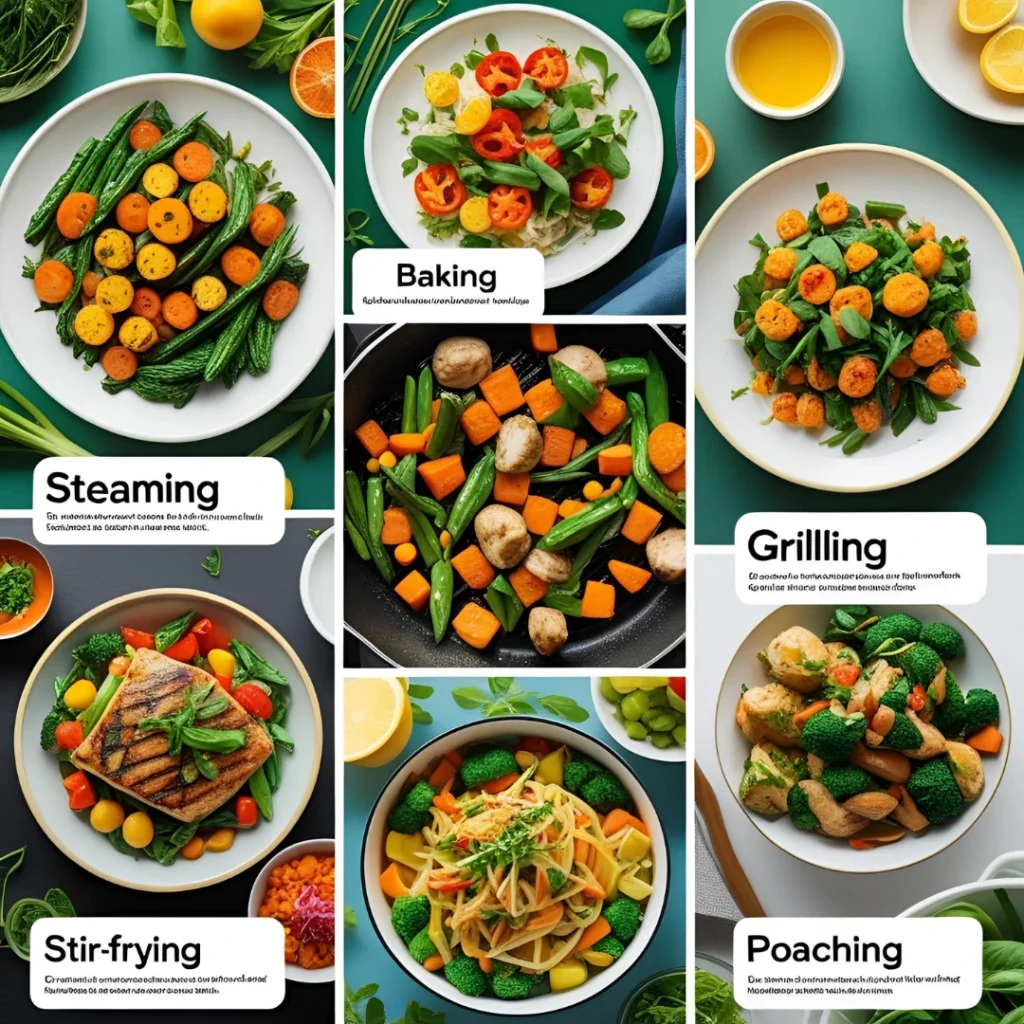
Top 6 Healthy Cooking Methods to Try
Steaming
Steaming is widely regarded as one of the healthiest cooking techniques. It involves cooking food with steam from boiling water, without immersing it in liquid or adding fats. This gentle process helps maintain food texture, color, and nutritional value, especially for vegetables and delicate proteins like fish.
Practical Tips:
- Invest in a simple bamboo or metal steamer basket.
- Enhance flavor naturally with lemon slices, fresh herbs, or garlic cloves added to the steaming water.
- Avoid over-steaming to preserve the crispness of vegetables.
Steamed broccoli, salmon, and leafy greens retain more antioxidants and vitamins compared to other cooking methods.
Grilling
Grilling imparts a delicious smoky flavor while using minimal oil. It is a popular choice for cooking meats, fish, and vegetables with reduced fat content because excess grease drips away from the food during cooking.
Practical Tips:
- Marinate meats with herbs, citrus, and spices to tenderize and boost flavor.
- Avoid prolonged high heat and prevent charring to reduce the formation of potentially harmful compounds like heterocyclic amines (HCAs).
- Use foil or grill baskets for smaller vegetables to prevent burning.
Grilling provides a healthy, low-fat alternative that also gives a satisfying texture and appearance.
Baking
Baking is a versatile, dry-heat method that allows you to prepare healthy dishes without deep frying. It’s excellent for cooking proteins, vegetables, and healthy desserts.
Practical Tips:
- Use whole-grain coatings instead of refined breadcrumbs for added fiber.
- Line baking trays with parchment paper or silicone mats to reduce the need for oil.
- Experiment with baking vegetables like sweet potatoes, carrots, or zucchini to create nutritious, oven-roasted sides.
Baking is especially useful for meal prepping, as it allows you to cook large quantities efficiently without compromising health.
Sautéing
Sautéing uses a small amount of oil to quickly cook food over medium-high heat, making it ideal for vegetables, lean meats, and seafood.
Practical Tips:
- Select heart-healthy oils like extra virgin olive oil or avocado oil.
- Limit oil usage by measuring instead of pouring freely.
- Cook foods briefly to preserve their natural crunch, color, and nutrients.
Sautéing enhances flavors and is a perfect everyday technique when done with moderation and the right oils.
Boiling
Boiling is a basic yet effective method for cooking whole grains, legumes, eggs, and some vegetables. However, it’s important to control boiling time to minimize nutrient loss.
Practical Tips:
- Use minimal water and keep the pot covered to speed cooking and retain nutrients.
- Save the cooking water as a nutrient-rich base for soups or sauces.
- Avoid boiling vegetables excessively; instead, aim for a firm texture.
Boiling grains like brown rice or quinoa is a healthy way to prepare complex carbohydrates for balanced meals.
Slow Cooking
Slow cooking involves cooking food at low temperatures over extended periods, usually in a slow cooker or crockpot. This method tenderizes lean meats and enhances flavors without the need for added fats.
Practical Tips:
- Prioritize lean proteins, legumes, and plenty of vegetables.
- Use low-sodium broths or water as the cooking base.
- Set timers to prevent overcooking and nutrient breakdown.
Slow cooking is convenient for busy lifestyles and allows for nutrient-dense, comforting meals with minimal effort.
Common Mistakes in Healthy Cooking
Overcooking Vegetables
Many people mistakenly overcook vegetables until they lose their color, texture, and taste. Overcooking leads to significant nutrient loss, particularly for water-soluble vitamins. As a solution you can lightly steam or sauté vegetables and serve them slightly crisp to retain maximum health benefits.
Excessive Oil Use
Even when using healthy oils like olive oil, using too much can quickly add unnecessary calories and fat. To avoid that, you should measure oil carefully, usually one to two teaspoons is sufficient for sautéing or roasting.
Ignoring Portion Control
Healthy cooking doesn’t automatically mean healthy eating if portion sizes are too large. Overeating, even healthy food, can still lead to weight gain. So, you should practice mindful portioning by using smaller plates and listening to your body’s hunger cues.
Using Processed Ingredients
Some people rely on pre-packaged sauces or seasoning blends that contain hidden sugars, unhealthy fats, and sodium. Normally you should focus on whole, natural ingredients and make your own seasoning mixes with herbs, spices, and citrus zest.
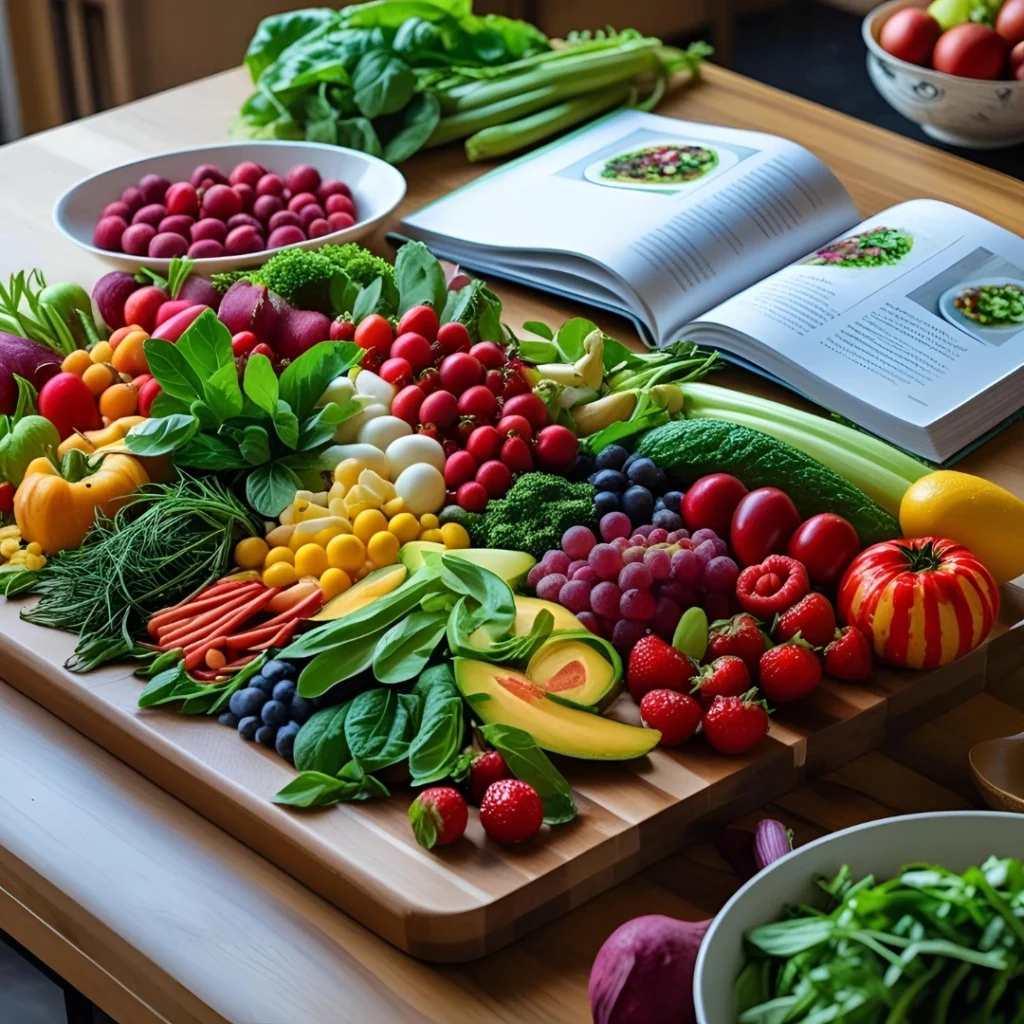
Practical Tips for Everyday Healthy Cooking
Plan Balanced Meals
Organize your meals to include lean proteins, complex carbohydrates, healthy fats, and plenty of vegetables. Balanced meals improve satiety, stabilize blood sugar, and provide essential nutrients.
Opt for Fresh Herbs and Spices
Instead of reaching for processed sauces, use fresh basil, parsley, cilantro, garlic, turmeric, and ginger to season your food. These natural flavor enhancers not only improve taste but also offer additional health benefits.
Invest in Quality Cookware
Non-stick pans, steamers, and high-quality baking sheets can make it easier to cook without excess oil. Good cookware helps you maintain healthy habits consistently.
Prep Ingredients in Advance
Pre-washing and chopping vegetables or pre-cooking whole grains at the beginning of the week can make healthy meal preparation faster and more accessible, reducing the temptation to order unhealthy takeout.
Long-Term Benefits of Healthy Cooking Methods

Weight Management
Healthy cooking methods, combined with portion control, naturally reduce calorie intake without sacrificing flavor or satisfaction. This supports sustainable weight loss and helps maintain a healthy body composition.
Improved Heart Health
By minimizing saturated fats, trans fats, and excess sodium, heart-healthy cooking reduces the risk of developing cardiovascular diseases, hypertension, and high cholesterol.
Better Digestive Health
Cooking techniques that preserve dietary fiber, such as steaming and sautéing, promote gut health, support regular bowel movements, and improve overall digestion.
Disease Prevention
Consistently preparing meals with nutrient-dense ingredients can significantly lower the risk of developing chronic diseases like diabetes, obesity, and certain cancers. A diet based on healthy cooking is one of the strongest preventative health measures available.
Conclusion
Adopting healthy cooking methods is a sustainable way to transform your diet and improve your overall well-being. By focusing on nutrient preservation, reducing unhealthy fats, and embracing natural flavors, you can create meals that are both delicious and nourishing. Steaming, grilling, baking, sautéing, boiling, and slow cooking are not only easy to master but also help you achieve your health goals without compromising taste or variety. Remember, small adjustments in your cooking habits can lead to lasting, positive health outcomes.