
The plant food diet, also known as a whole food plant-based diet, is centered around eating natural, minimally processed plant foods. This means filling your plate with vegetables, fruits, whole grains, legumes, nuts, and seeds while limiting or eliminating animal products and highly processed foods.
A plant-based eating plan supports long-term health by reducing inflammation, improving digestion, and even enhancing metabolism. Whether your goal is to slim down, gain energy, or simply feel better, the plant food diet offers a proven path to wellness that’s both satisfying and scientifically backed.
In this post, we’ll explore how the plant food diet works, which foods help you burn fat and stay energized, and how to get started without the guesswork.
What Is a Plant Food Diet?
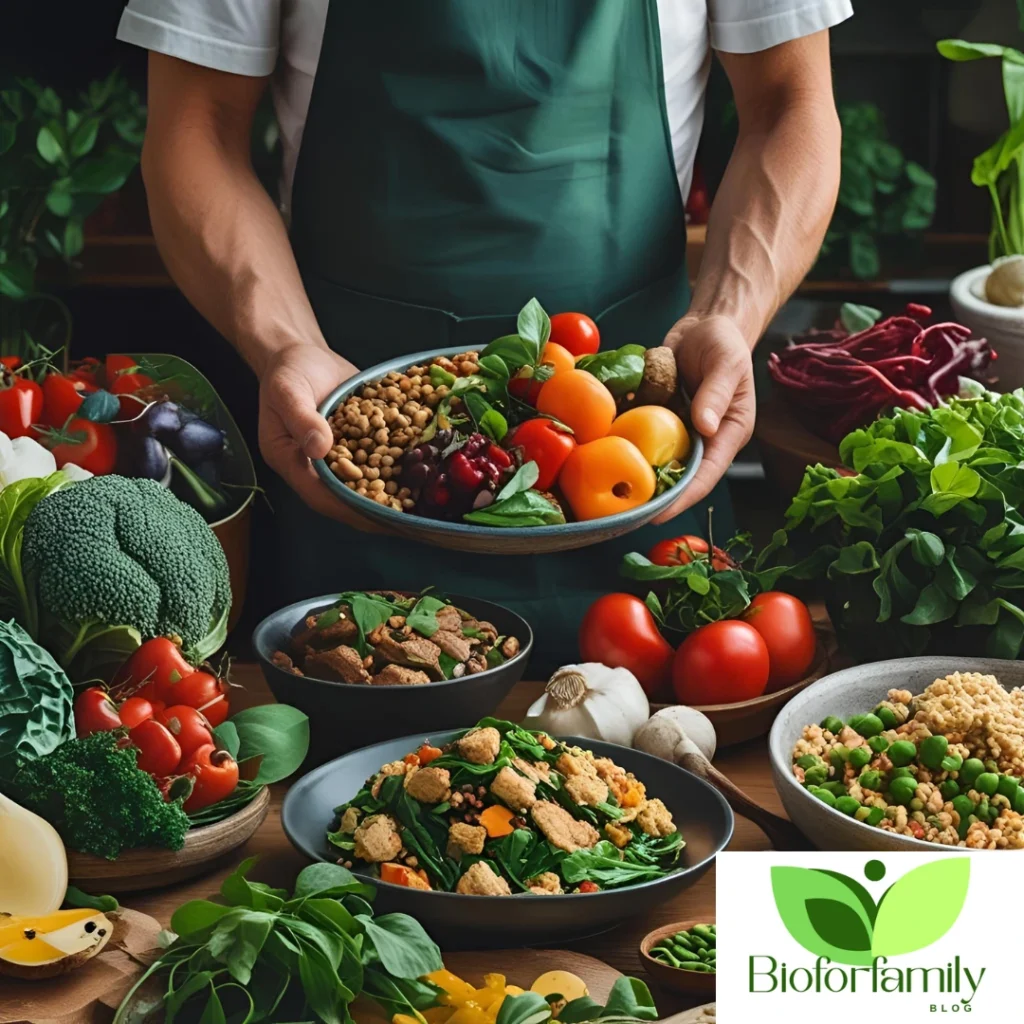
Unlike a typical vegan or vegetarian diet, which may still include processed items like vegan snacks or mock meats, the plant food diet focuses on whole ingredients in their most natural form. It provides you a clean eating and nutrient-rich foods that fuel your body and support optimal health. At its core, the plant food diet emphasizes:
- Whole foods over processed options
- Plants as the primary source of nutrition
- Nutrient density rather than calorie restriction
You won’t find strict rules or calorie counting here, just a return to real food that your body understands and thrives on.
How It Differs from Vegan or Vegetarian Diets?
While all three diets avoid meat to some degree, here’s how the plant food diet stands out:
- Vegan diets exclude all animal products but may still include refined sugars, oils, and junk food.
- Vegetarian diets may include dairy and eggs but don’t always focus on whole foods.
- Plant food diets prioritize unprocessed, whole plant ingredients for maximum nutrition and energy.
Nutrient-Rich Foods in a Plant-Based Diet
Key staples in this diet include:
- Leafy greens (like kale, spinach, and arugula)
- Colorful vegetables (such as carrots, bell peppers, and beets)
- Whole grains (brown rice, oats, quinoa)
- Legumes (lentils, chickpeas, black beans)
- Nuts and seeds (chia, flax, walnuts)
Health Benefits of a Plant Food Diet
One of the biggest reasons people switch to a plant food diet is the powerful impact it has on health. It can naturally lead to losing weight and boosting energy. This way of eating fuels your body with clean, natural ingredients that support long-term wellness without the side effects of restrictive or fad diets. Let’s break down some of the most compelling benefits.
1. Weight Loss Through Fiber and Low-Calorie Density
Plant-based foods are naturally low in calories but high in fiber, which keeps you full longer without overeating. Unlike processed foods, whole plant foods digest slowly, stabilize blood sugar, and help regulate body mass index (BMI) over time. Key foods like legumes, leafy greens, and whole grains promote fat loss by:
- Reducing cravings and overeating
- Supporting healthy digestion
- Keeping you full and satisfied longer
2. Increased Energy from Nutrient-Dense Foods
Many people feel a noticeable boost in energy shortly after switching to a plant food diet. That’s because plant foods are a natural source of vitamins, minerals, and antioxidants that support better cellular function and energy metabolism. Foods like oats, bananas, lentils, and sweet potatoes deliver:
- Steady-release carbs for sustained energy
- Essential B vitamins for converting food into fuel
- Natural sugars without the crash of processed snacks
3. Reduced Inflammation and Improved Digestion
Chronic inflammation is linked to weight gain, fatigue, and diseases like diabetes and heart conditions. The plant food diet is rich in anti-inflammatory compounds like polyphenols and antioxidants, which help calm inflammation and heal the body from within. Plus, the high fiber content supports a healthy gut microbiome, which improves Digestion, nutrient absorption and overall immunity and metabolism
4. Long-Term Cardiovascular and Metabolic Health
In fact, numerous studies have shown that a whole food plant-based diet helps lower cholesterol, blood pressure, and insulin resistance which are the key risk factors for heart disease and type 2 diabetes.
Best Plant-Based Foods to Lose Weight and Boost Energy
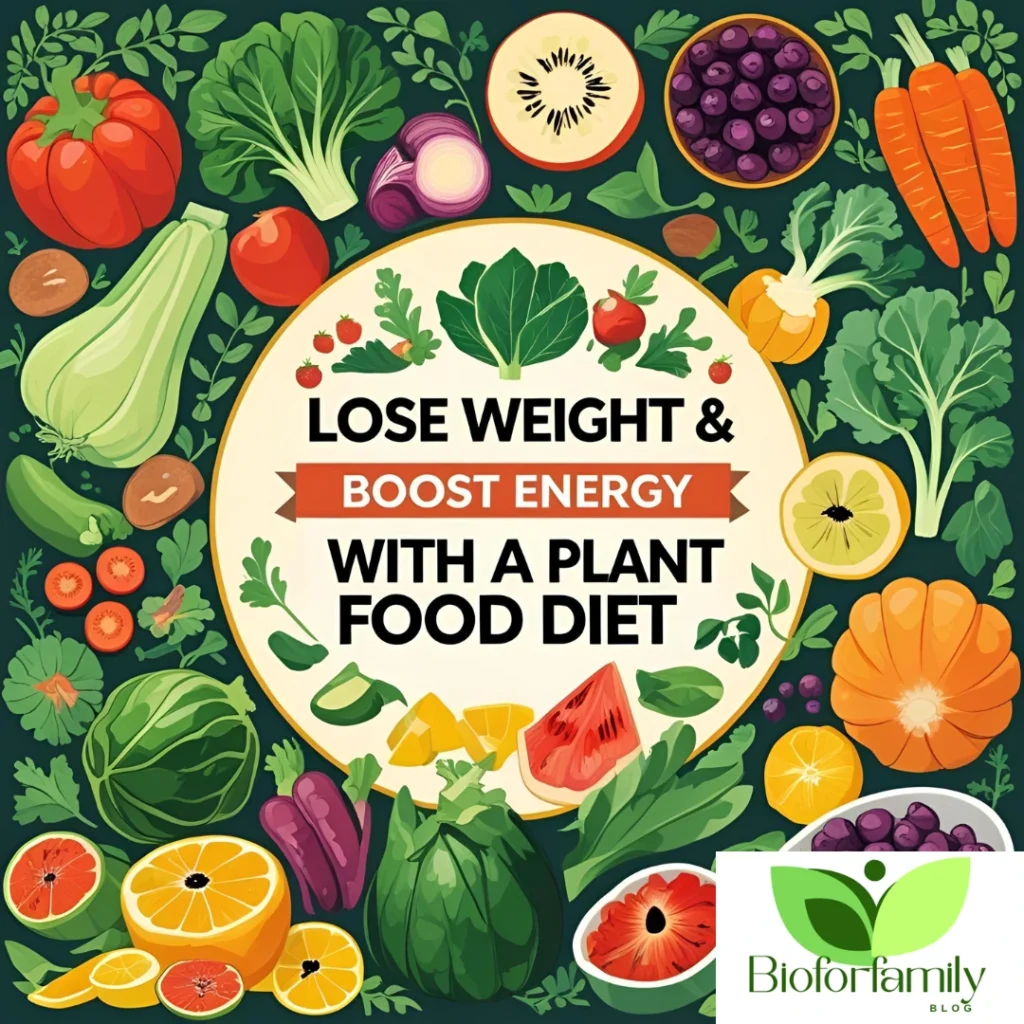
To begin with, to get the most out of a plant food diet, it’s important to focus on the right foods, ones that are naturally supportive of weight loss and energy production. These ingredients help regulate appetite, reduce inflammation, and stabilize your metabolism. Here are some of the top plant-based foods to keep you energized and on track with your goals..
1. Top Fat-Burning & Metabolism-Boosting Plant Foods
Certain plant-based foods have natural properties that help burn fat and boost metabolism. These foods are typically rich in fiber, antioxidants, and thermogenic nutrients that keep your system active and efficient. The most pertinent exemple of thes foods we find:
- Leafy greens like kale, spinach, and arugula that are low in calories, high in iron and fiber
- Legumes such as lentils, chickpeas, and black beans that are protein-packed and satisfying
- Chili peppers and spices like cayenne that can slightly increase metabolism
- Green tea (plant-based beverage) that contains catechins that aid fat oxidation
2. Energy-Boosting Staples to Keep You Active
High-quality plant-based carbohydrates can provide long-lasting energy without the crash. They supply steady fuel to power your workouts, workday, and everything in between. These foods include:
- Whole grains like oats, brown rice, and quinoa
- Bananas: rich in potassium and quick-release energy
- Sweet potatoes: complex carbs with beta-carotene and fiber
- Beets: improve blood flow and physical endurance
3. Healthy Plant-Based Protein Sources
Protein is essential for weight loss, muscle repair, and maintaining a healthy metabolism — and plants can provide it in abundance. Top plant-based protein sources include:
- Lentils with 18g of protein per cooked cup
- Tofu and tempeh: great for meals that mimic meat-based textures
- Quinoa which is a complete protein and gluten-free grain
- Nuts and seeds like almonds, chia seeds, flaxseeds for healthy fats and protein
How to Start a Plant Food Diet for Weight Loss
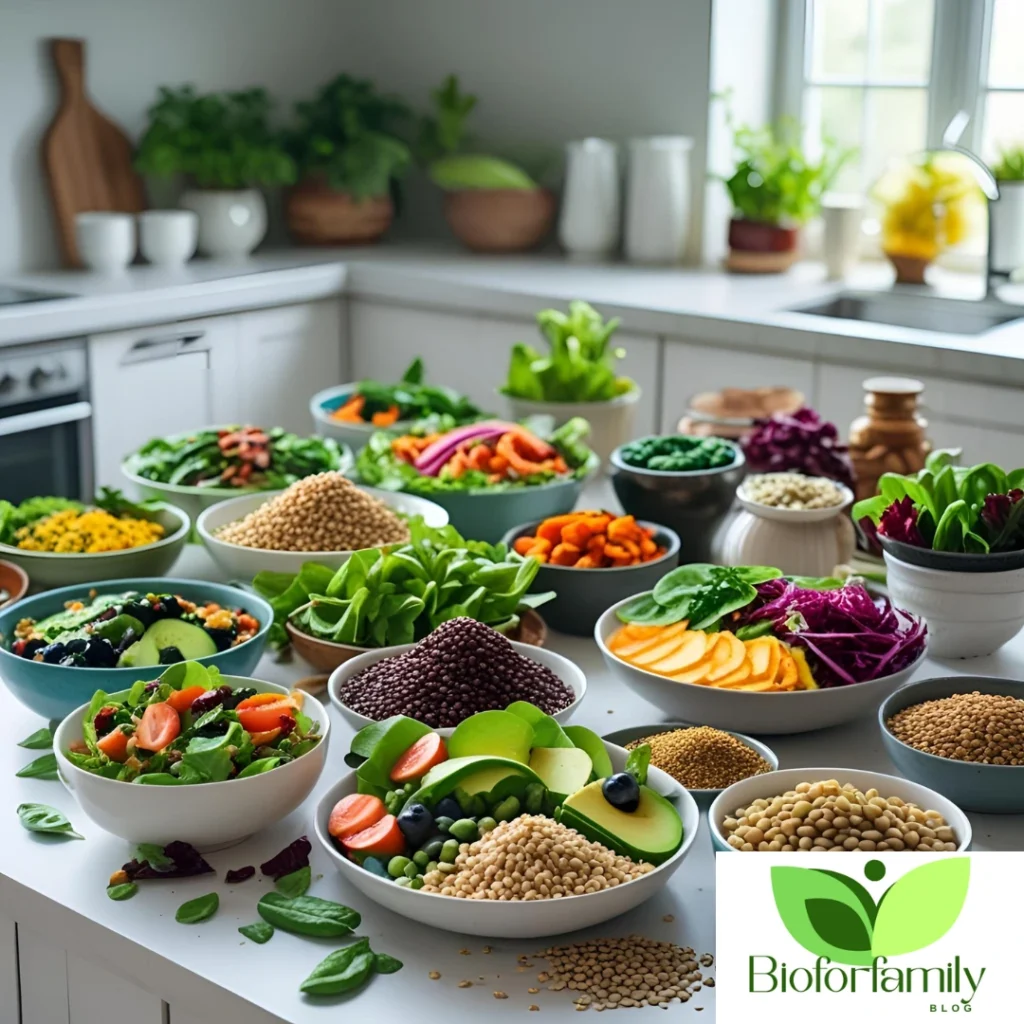
Transitioning to a plant food diet is simpler than you might think. With a little planning and the right mindset, you can build sustainable habits that lead to healthy weight loss, improved energy, and overall wellness. Here’s how to get started without stress.
1. Simple Steps to Transition Your Diet
Instead, you don’t need to overhaul your entire kitchen overnight. Gradual transitions are easier to maintain and allow your body to adjust to new nutrients and fiber levels. Start with small, manageable steps:
- Swap out processed foods for whole, plant-based alternatives
- Add more vegetables to each meal before cutting anything out
- Replace animal proteins with legumes, tofu, or lentils
- Experiment with plant-based recipes a few times a week
2. Sample Daily Meal Plan for Beginners
Here’s a simple, balanced day on a plant food diet. These meals are rich in fiber, plant-based protein, and energy-boosting nutrients to keep you full and energized all day:
- Breakfast: Oatmeal with almond milk, chia seeds, banana, and berries
- Lunch: Quinoa salad with chickpeas, mixed greens, and tahini dressing
- Snack: Hummus with carrot sticks or a handful of almonds
- Dinner: Stir-fried tofu with brown rice, broccoli, and bell peppers
3. Common Mistakes to Avoid When Going Plant-Based
Many beginners assume that anything labeled “vegan” is automatically healthy, but that’s not always true. Avoiding these mistakes ensures your plant food diet supports both your weight loss and overall health:
- Relying on processed vegan foods (e.g., fake meats, sugary snacks)
- Skipping protein or healthy fats, which leads to low energy
- Not planning meals, resulting in convenience eating or takeout
- Neglecting supplements like vitamin B12 or iron, which are essential on a plant-based diet