
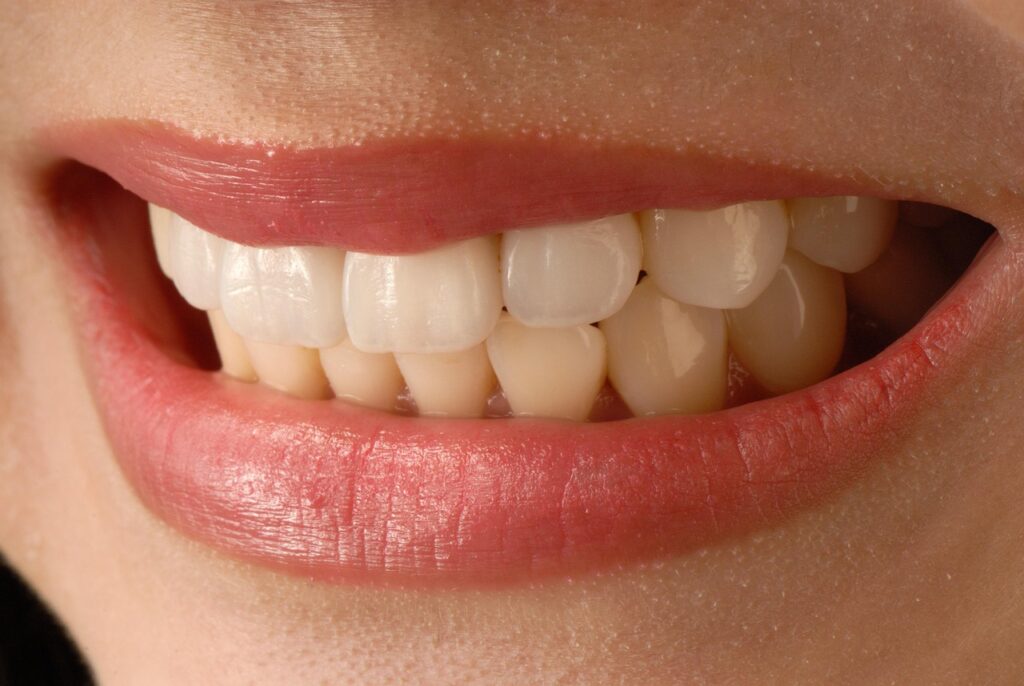
Your smile is often the first thing people notice about you. But behind every bright smile is something even more important, tooth enamel. This thin, hard layer is the body’s natural armor that protects your teeth from decay, sensitivity, and everyday wear. Unlike bones, enamel doesn’t contain living cells, which means once it’s lost, it cannot grow back. However, the good news is that you can strengthen enamel naturally and prevent further damage without paying for expensive dental treatments.
In this article, we’ll explore the best natural ways to strengthen enamel, backed by science and everyday practices you can adopt at home.
1. Eat Enamel-Strengthening Foods
Nutrition is the foundation of healthy teeth. What you eat can either help remineralize enamel naturally or accelerate enamel erosion. By choosing the right foods, you supply your body with the essential building blocks needed to keep teeth strong.
Dairy Products and Leafy Greens
Calcium and phosphorus are two of the most important minerals for enamel. Dairy products such as milk, cheese, and yogurt provide high levels of these minerals in a form that your body can absorb easily. Leafy greens like spinach, kale, and broccoli also supply calcium, along with vitamin K2, which helps transport calcium directly into your teeth and bones.
Quick tip: A small piece of cheese after meals not only provides calcium but also neutralizes acids in your mouth, lowering the risk of enamel erosion.
Nuts, Seeds, and Legumes
Nuts like almonds and seeds such as sesame and pumpkin are rich in magnesium, a mineral often overlooked in dental health. Magnesium plays a role in maintaining bone density and enamel strength. Legumes such as lentils and chickpeas also provide phosphorus, which supports natural remineralization.
Vitamin-Rich Foods
Vitamins D and K2 act as “partners” in enamel health. Vitamin D, found in fatty fish, eggs, and sunlight exposure, helps your body absorb calcium. Vitamin K2, present in fermented foods like sauerkraut and natto, directs calcium to the teeth and bones instead of soft tissues where it could cause harm. Adding these to your diet helps ensure the minerals you consume are used effectively.
2. Improve Daily Oral Hygiene Habits
Even with the best diet, your teeth won’t stay strong without proper oral care. The key is to clean your teeth effectively without causing mechanical damage to enamel.
Brush with Fluoride or Remineralizing Toothpaste
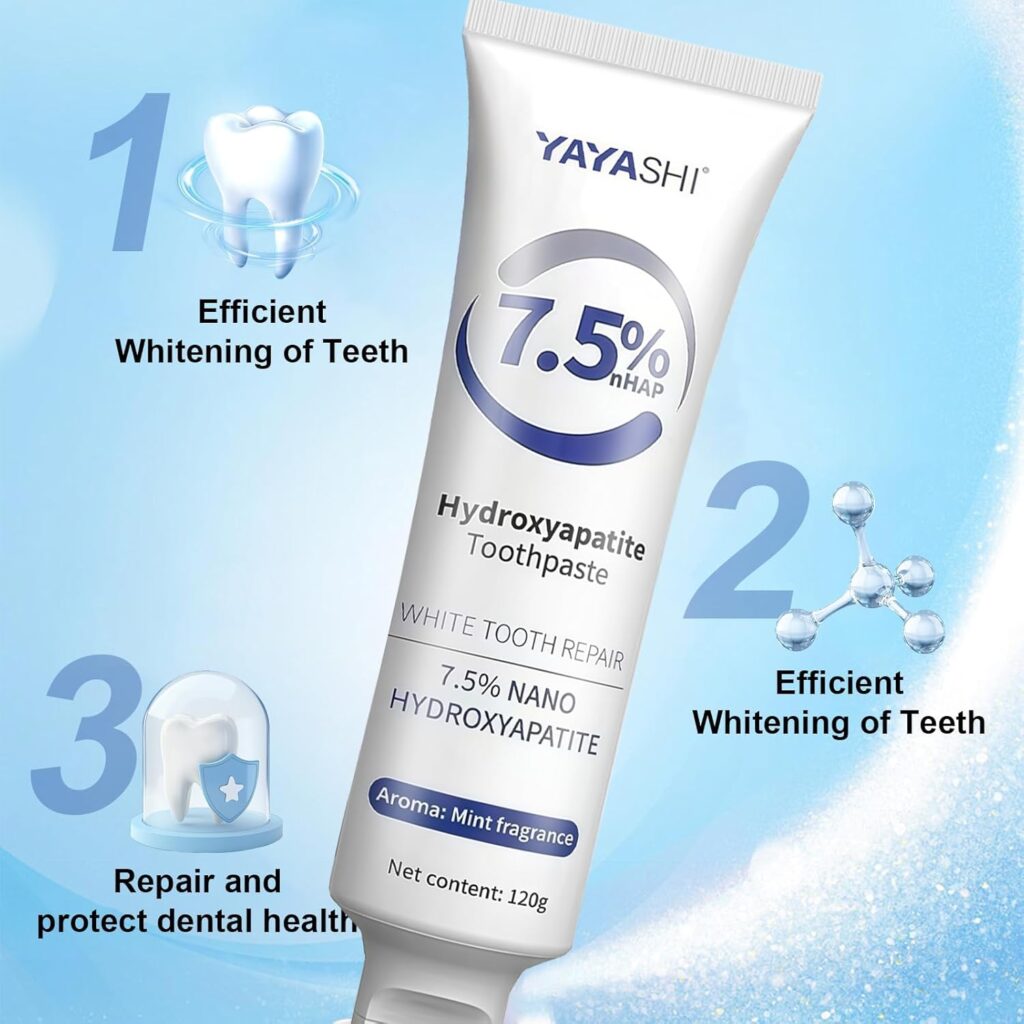
Fluoride remains one of the most effective tools for preventing tooth decay and strengthening enamel. It works by making enamel more resistant to acid attacks. For those who prefer natural options, toothpaste with nano-hydroxyapatite is an excellent alternative. Hydroxyapatite is the main mineral component of enamel, and studies show it helps repair micro-damage and reduces sensitivity.
Floss and Rinse Daily
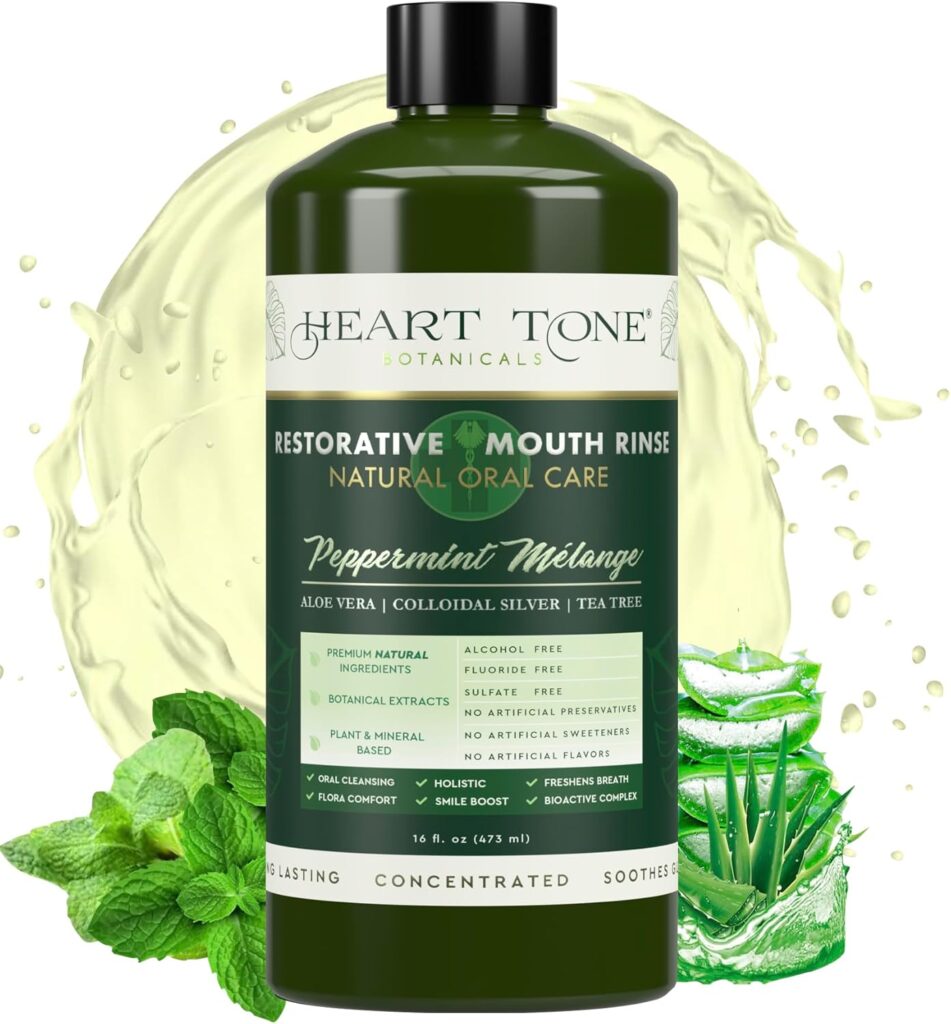
Brushing alone cannot remove plaque and food particles between teeth. Flossing once a day prevents bacteria from creating acid in those hard-to-reach spots. Additionally, rinsing with water or unsweetened green tea can help balance oral pH. Green tea also contains natural compounds called catechins, which fight harmful bacteria linked to enamel erosion.
Avoid Over-Brushing and Abrasive Products
Many people damage their enamel unintentionally by brushing too hard or using abrasive toothpaste. Over time, this wears away the protective layer. The solution? Use a soft-bristled brush and replace aggressive whitening pastes with gentler formulations. Always brush in small, circular motions rather than side-to-side scrubbing.
3. Protect Teeth from Acid Erosion
Acid is enamel’s greatest enemy. Whether it comes from food, drinks, or stomach acid, frequent exposure weakens enamel and leads to sensitivity and cavities. Fortunately, you can adopt simple habits to limit acid damage.
Limit Sugary and Acidic Drinks
Soft drinks, sports beverages, and even natural fruit juices contain high amounts of sugar and acid. These combine to feed bacteria and soften enamel. Instead of sipping soda throughout the day, switch to water, sparkling water without additives, or unsweetened herbal teas. If you do drink acidic beverages, use a straw to minimize contact with your teeth.
Chew Sugar-Free Gum
Saliva is the body’s natural defense system for teeth. It washes away acids, supplies minerals like calcium and phosphate, and keeps the mouth’s pH balanced. Chewing sugar-free gum after meals stimulates saliva production, speeding up natural enamel remineralization. Look for gum containing xylitol, a natural sweetener that inhibits cavity-causing bacteria.
Rinse After Meals
After consuming acidic foods—like citrus fruits, tomatoes, or vinegar—it’s tempting to brush immediately. But enamel is softer when exposed to acid, and brushing right away can cause erosion. Instead, rinse with water and wait at least 30 minutes before brushing. This allows enamel to reharden naturally.
4. Boost Natural Enamel Remineralization
Your body is designed with built-in mechanisms to protect enamel, mainly through saliva and mineral absorption. By supporting these natural processes, you can strengthen enamel without relying on costly treatments.
Stay Hydrated
Adequate hydration keeps saliva flowing, and saliva is rich in minerals that naturally remineralize teeth. It also helps neutralize acids and wash away food particles. Drinking plenty of water—especially fluoridated water if available—gives your enamel an added layer of defense.
Oil Pulling for Oral Health
Oil pulling, an ancient Ayurvedic practice, involves swishing coconut or sesame oil in your mouth for 10–20 minutes. While not a substitute for brushing, research suggests it can reduce plaque, improve the balance of bacteria in the mouth, and lower acidity. A healthier oral environment supports enamel preservation.
Mineral Supplements if Needed
In some cases, diet alone may not provide enough minerals for enamel health. Supplements of calcium, vitamin D, magnesium, and vitamin K2 can fill in the gaps, especially for people with dietary restrictions. Always consult a healthcare professional before starting supplements to ensure proper dosage.
Conclusion
Protecting your enamel doesn’t require high-cost dental treatments or complicated routines. By focusing on nutrient-rich foods, consistent oral hygiene, acid protection, and natural remineralization strategies, you can keep your teeth strong and resilient for years to come.
Your smile is one of your most valuable assets. By following these natural ways to strengthen enamel without expensive treatments, you’ll be investing not just in your teeth, but in your overall health and confidence.