
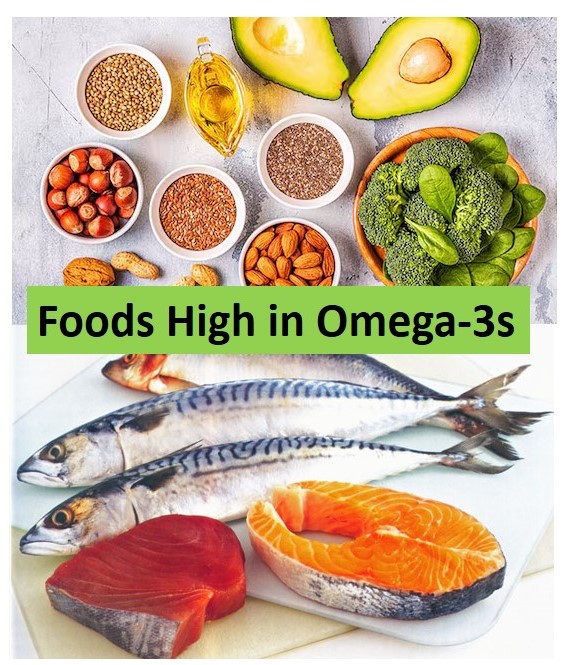
Omega-3 fatty acids are a type of polyunsaturated fat that the body cannot produce on its own. This means they must come from food or supplements. They are essential nutrients that support various aspects of health, from brain function to heart wellness. By making conscious food choices, you can easily incorporate more Omega-3 into your diet and enjoy their long-term benefits.
Summary
In this blog you can find detailed responses to all your questions about Omega-3 fatty acids:
What Are Omega-3 Fatty Acids?
Foods High in Omega-3
Omega-3 Health Benefits
Is it good to take omega-3 everyday?
Is omega-3 good for hair and skin?
How to Get More Omega-3s in Your Diet
1. Foods High in Omega-3

If you’re looking to increase your Omega-3 intake, consider adding these foods to your diet:
- Fatty Fish: Salmon, mackerel, sardines, trout, herring, tuna
- Seeds: Flaxseeds, chia seeds, hemp seeds
- Nuts: Walnuts
- Oils: Flaxseed oil, walnut oil, canola oil
- Seafood: Shrimp, oysters, seaweed
- Eggs: Omega-3 enriched eggs
- Vegetables: Spinach, Brussels sprouts
- Legumes: Soybeans, edamame
2.What Are Omega-3 Fatty Acids?
Omega-3 fatty acids are essential polyunsaturated fats that the body cannot produce on its own, meaning they must come from dietary sources or supplements. These healthy fats play a crucial role in heart health, brain function, and inflammation reduction.
There are three main types of Omega-3s, each with unique benefits. ALA (Alpha-linolenic acid) is primarily found in plant-based sources such as flaxseeds, chia seeds, walnuts, and hemp seeds. The body can convert ALA into EPA and DHA, but only in small amounts, making direct sources of EPA and DHA more effective.
EPA (Eicosapentaenoic acid) is abundant in fatty fish like salmon, mackerel, and sardines. It is known for its role in reducing inflammation and supporting cardiovascular health. Meanwhile, DHA (Docosahexaenoic acid) is also found in fatty fish and is particularly important for brain health, cognitive function, and fetal development during pregnancy.
Incorporating a variety of Omega-3-rich foods into your diet ensures you receive the full range of benefits these essential fats offer.
3. Omega-3s Health Benefits

- Heart Health: Omega-3s help reduce inflammation, lower triglycerides, and improve cholesterol levels, reducing the risk of heart disease.
- Brain Function: DHA is essential for cognitive function and may help reduce the risk of neurodegenerative diseases like Alzheimer’s.
- Eye Health: DHA is a key component of the retina, supporting vision and potentially reducing the risk of macular degeneration.
- Mental Well-Being: Omega-3s are linked to lower rates of depression and anxiety, and they may improve mood and mental clarity.
- Joint Health: Their anti-inflammatory properties help reduce symptoms of arthritis and joint pain.
- Pregnancy & Infant Development: Omega-3s support fetal brain development and may improve cognitive function in children.
4. Is it good to take omega-3 everyday?
Yes, taking omega-3 daily can be beneficial for most people, especially if your diet lacks sufficient sources. However, the ideal dosage depends on your health needs. The general recommendation for combined EPA and DHA is around 250–500 mg per day for most adults. If you have certain conditions like high triglycerides or joint inflammation, a higher dose may be advised by a doctor. If you’re getting enough from your diet, supplementation may not be necessary. Also, excessive omega-3 intake (over 3,000 mg daily) can thin the blood and may increase bleeding risk. Always check with a healthcare provider if you’re unsure
5. Is omega-3 good for hair and skin?
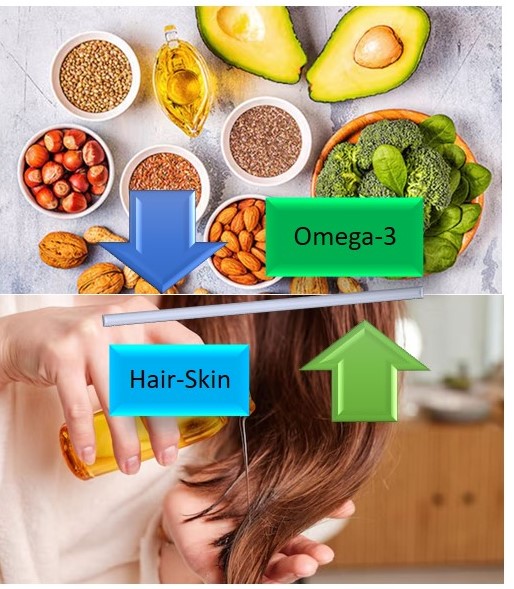
Omega-3 is great for both hair and skin because of its anti-inflammatory and moisturizing properties. But It may take a few weeks to months to see noticeable results.
For the Hair, Omega-3 helps nourish hair follicles, potentially reducing hair thinning and promoting stronger growth. It also hydrates the scalp, reducing dandruff and flakiness and help reducing excessive shedding by improving blood circulation to the scalp.
Regarding the skin benefits, Omega-3 helps retain moisture, reducing dryness and improving skin texture. It may also help calm redness, irritation, and breakouts. Omega-3 supports collagen production, helping to reduce wrinkles and fine lines. It May help with conditions like eczema & psoriasis due to Its anti-inflammatory effects.
6. How to Get More Omega-3s in Your Diet
Ensuring you get enough Omega-3s is easier than you might think with a few smart dietary choices. First, try to eat more fatty fish, such as salmon, sardines, or trout, at least twice a week to get a natural and highly absorbable source of Omega-3s. Additionally, incorporating plant-based sources like flaxseeds, chia seeds, and walnuts into your diet can help—simply sprinkle them over smoothies, oatmeal, or salads for a nutritious boost.
Another simple way to increase your intake is by cooking with Omega-3-rich oils, such as flaxseed or walnut oil, or drizzling them over prepared meals. If you struggle to get enough Omega-3s from food alone, consider taking a high-quality fish oil or algae-based supplement, especially if you follow a vegetarian or vegan diet. By making these small adjustments, you can easily support heart health, brain function, and overall well-being.