
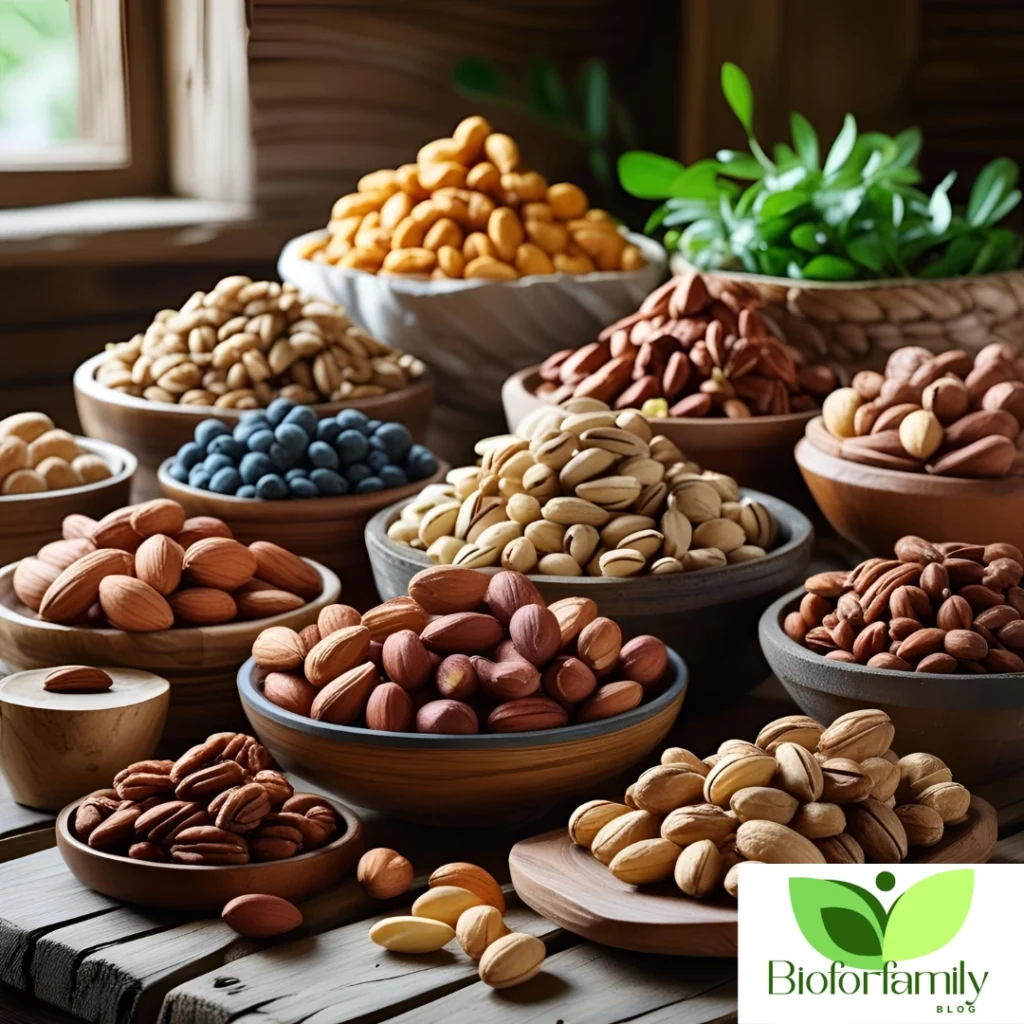
In a world where clean eating and conscious nutrition are more important than ever, organic nuts have earned a well-deserved spot in the spotlight. Packed with essential nutrients, healthy fats, and plant-based protein, they’re more than just a tasty snack, they’re a powerful tool for anyone looking to fuel their body naturally.
Whether you’re following a whole food diet, living plant-based, or simply aiming to make healthier, more sustainable food choices, organic nuts offer a delicious and versatile way to stay on track. From almonds and walnuts to cashews and pistachios, each variety brings unique health benefits that support everything from heart health to brain function.
In this guide, we’ll explore why organic nuts are a clean eater’s best friend, how they contribute to sustainable nutrition, and the best ways to enjoy them in your everyday meals.
Why Organic Nuts Belong in Every Clean Eating Plan
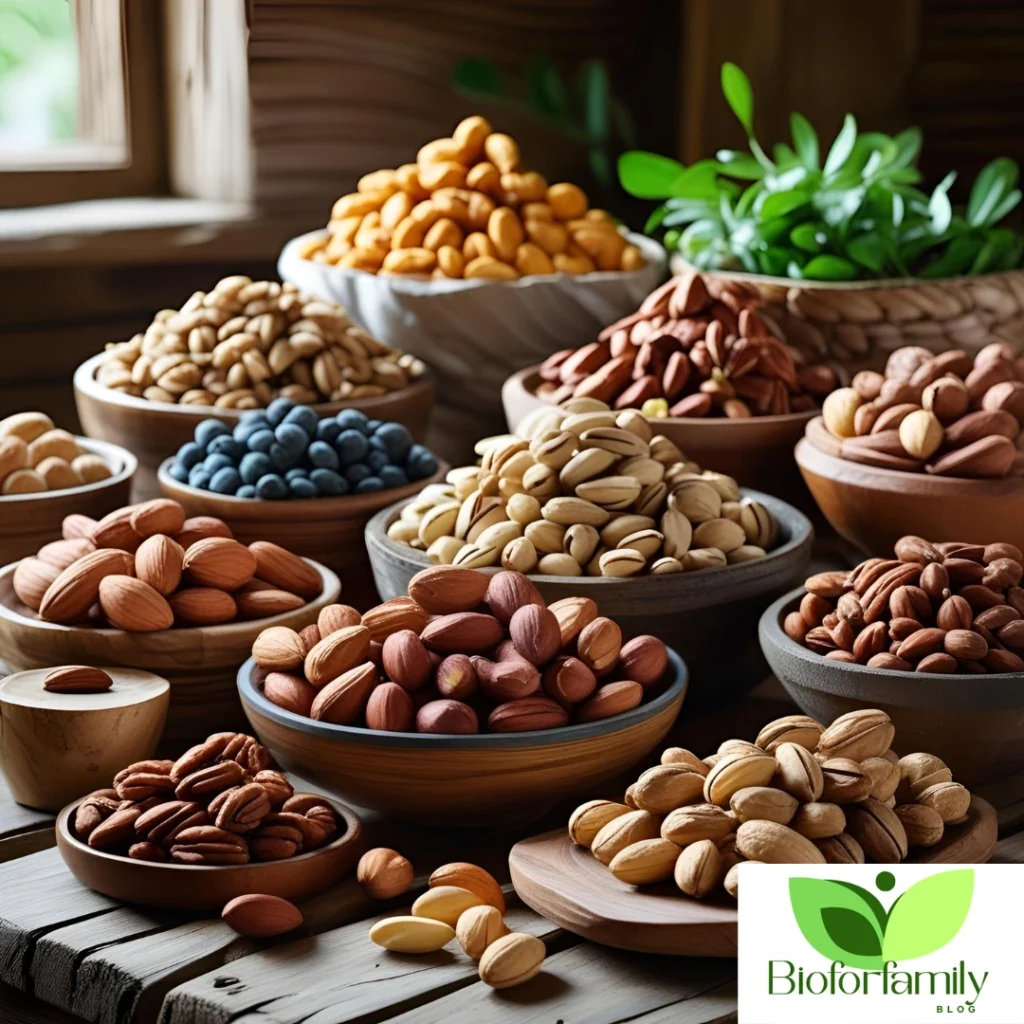
1. Whole-Food Goodness in Every Bite
Organic nuts are rich in fiber, healthy fats, vitamins, and minerals, making them one of the most nutrient-dense snacks available. They deliver long-lasting energy, help regulate blood sugar, and support everything from brain health to digestion. Because they’re eaten close to their natural state, they align perfectly with clean eating principles.
2. Avoiding Pesticides and GMOs
Unlike conventional nuts, organic varieties are grown without synthetic pesticides, herbicides, or genetically modified organisms (GMOs). This makes them better for your health but also the planet. Choosing certified USDA Organic nuts means you’re reducing your exposure to potentially harmful residues while supporting more sustainable farming methods.
3. A Natural Fit for Plant-Based Diets
Whether you’re vegetarian, vegan, or just trying to cut back on animal products, organic nuts are a powerhouse source of plant-based protein and healthy fats. They’re also loaded with antioxidants and micronutrients like magnesium, selenium, and vitamin E, which support heart health and fight inflammation.
Top 5 Organic Nuts and Their Health Benefits
Each type of nuts has its unique blend of nutrients, flavors, and health benefits. Here are five of the best organic nuts to include in your clean eating routine:
1. Almonds – The Clean Eating All-Star
Almonds are a staple in many clean diets, and for good reason. They’re high in vitamin E, magnesium, and fiber, making them ideal for heart health and digestion. Organic almonds are often sold raw or dry-roasted, perfect for snacking or adding to smoothies and salads. So try to soak raw almonds overnight for easier digestion and improved nutrient absorption.
2. Walnuts – Rich in Omega-3s for Brain Health
Walnuts are one of the few plant-based sources of omega-3 fatty acids, essential for brain and heart health. They also contain polyphenols that help fight inflammation. Choosing organic walnuts ensures you’re not ingesting pesticide residues that can compromise these benefits. You can enjoy walnuts raw or chopped into oatmeal, baked goods, or savory grain bowls.
3. Cashews – Creamy, Versatile & Mineral-Rich
Cashews offer a creamy texture and subtle sweetness. Moreover, they provide a healthy dose of iron, zinc, and magnesium, making them a valuable addition to a nutrient-rich diet. As a result, they’ve become a favorite in clean eating kitchens for making vegan cheeses, plant-based sauces, and energy bites. Importantly, organic cashews are usually processed without chemical solvents, which helps preserve more of their natural nutrition. For a delicious and dairy-free alternative, try blending soaked cashews with lemon juice and garlic into a silky cream sauce.
4. Pistachios – Protein-Packed & Weight-Friendly
Pistachios are a top pick for healthy snacking thanks to their impressive nutritional profile. In particular, they’re high in protein, fiber, and antioxidants like lutein, which supports eye health. Additionally, their shells naturally encourage mindful eating, an excellent aid for portion control. To keep your snack as clean as possible, try to choose organic, unsalted pistachios and steer clear of artificial flavorings.
5. Brazil Nuts – A Selenium Superfood
Just one or two Brazil nuts a day provides your recommended intake of selenium, a powerful mineral that supports thyroid function and antioxidant defense. Because they grow in naturally rich soils, organic Brazil nuts are an especially clean source, but eat them in moderation to avoid excess selenium.
How Organic Nuts Support Sustainable Nutrition
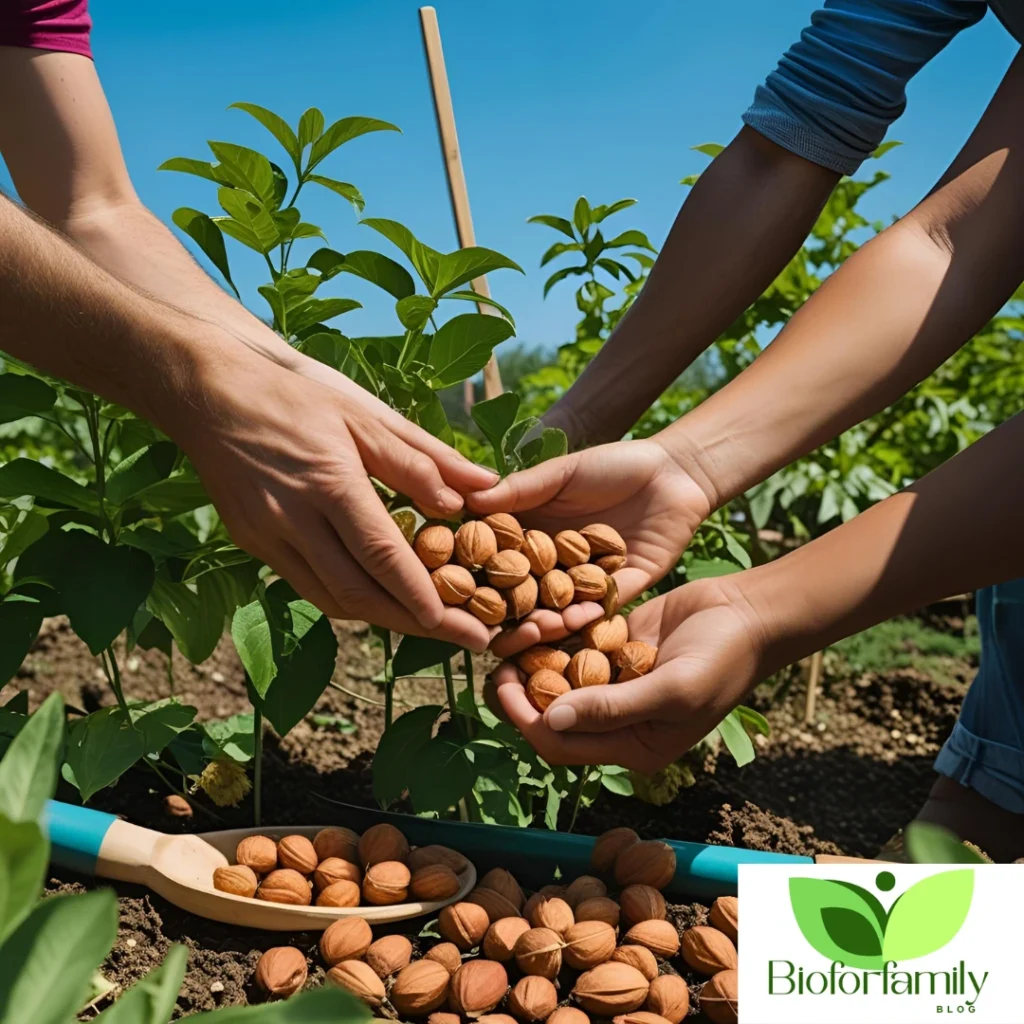
Organic nuts play a key role in sustainable nutrition, combining ecological responsibility with high nutritional value. Here’s how:
1. Grown Without Harmful Chemicals
Organic nut farms avoid synthetic pesticides, herbicides, and fertilizers, which protect surrounding ecosystems, promote soil health, and reduce water contamination. These practices support biodiversity and long-term agricultural sustainability. Organic almonds, for example, are often grown using cover crops and bee-friendly farming techniques, which help preserve pollinators and improve soil fertility.
2. Ethically and Fairly Sourced
Many organic nuts, especially cashews and Brazil nuts, come from developing regions where ethical sourcing matters. Look for Fair Trade or Rainforest Alliance certifications, which ensure fair wages, safe working conditions, and sustainable harvesting practices. Supporting certified sources helps combat exploitative labor and deforestation in nut-producing areas.
3. A Low-Impact Alternative to Animal Protein
Nuts are a more sustainable source of protein compared to meat and dairy. They require less water, emit fewer greenhouse gases, and occupy less farmland. Incorporating organic nuts into your meals, helps you lower your dietary carbon footprint without sacrificing protein. For example, replacing one serving of beef per day with nuts can significantly reduce CO₂ emissions over time.
4. Better for Local Economies
Buying locally-sourced organic nuts or supporting small-scale farmers through co-ops or farmers’ markets strengthens regional food systems. It also cuts down on transportation emissions and encourages a more resilient, transparent supply chain.
Clean Eating with Nuts: Tips, Recipes & Daily Use
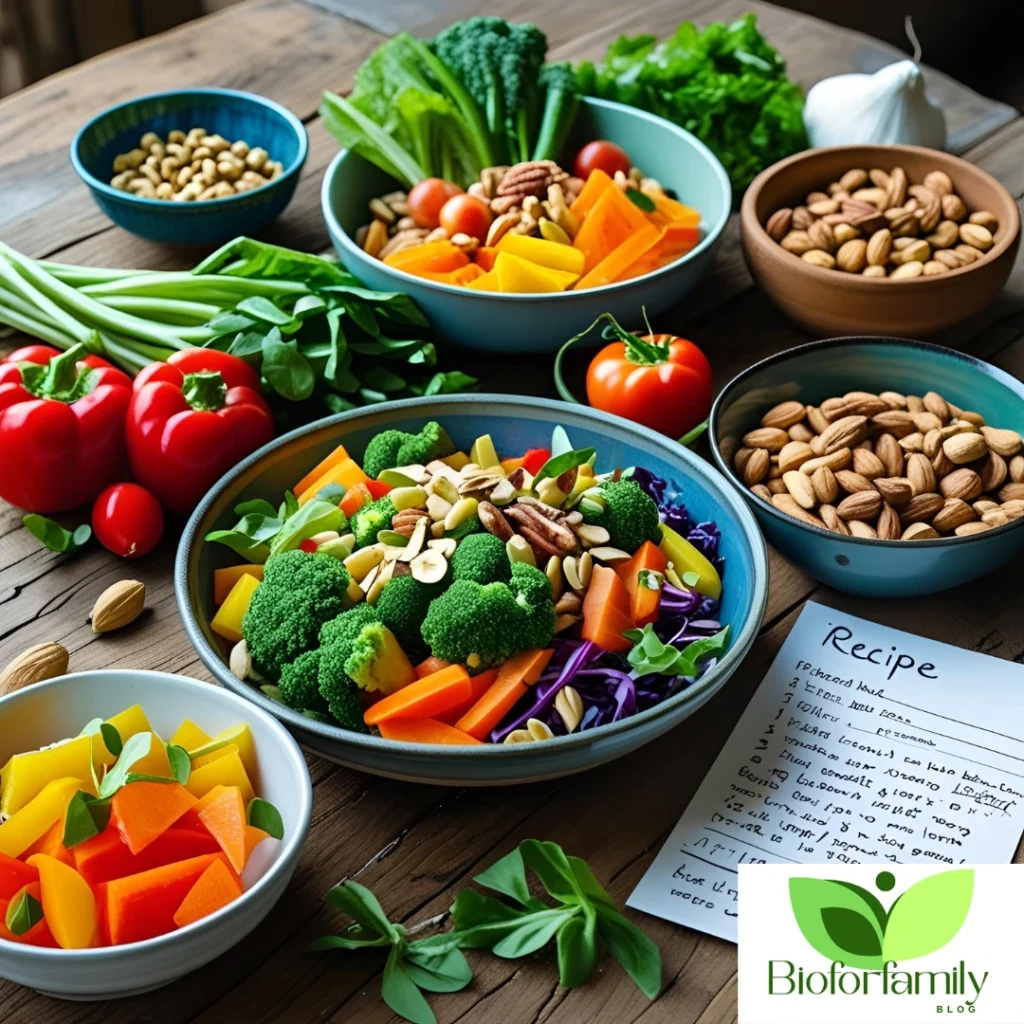
One of the best things about organic nuts is their versatility, they fit effortlessly into almost any clean eating lifestyle. Whether you’re prepping a healthy snack or blending them into plant-based recipes, nuts can boost both nutrition and flavor. Here’s how to make the most of them:
1. Simple, Whole-Food Snack Ideas
Nuts are perfect for on-the-go snacking, offering both convenience and nutrition in every bite. In fact, just a small handful (about 1 ounce or 28 grams) delivers a satisfying mix of protein, fiber, and healthy fats that helps keep you full between meals. To make the healthiest choice, be sure to select unsalted, unroasted varieties, as these are free from added oils and excess sodium.
2. Easy Nut-Based Recipes for Clean Meals
Organic nuts can become the star ingredient in your clean eating recipes.
- Cashew cream sauce: A dairy-free alternative for pasta or grain bowls
- Almond butter smoothie: Blend with banana, oat milk, and cinnamon
- Walnut “meat” tacos: Ground walnuts with spices for a vegan taco filling
- Energy bites: Oats, nut butter, dates, and chia seeds rolled into balls
3. Portion Control and Daily Use Tips
Although nutrient-dense, nuts are also calorie-dense, moderation is key. For most adults, one serving per day (1 oz) is a great way to enjoy the health benefits without overdoing calories or fats. You can :
- Use chopped nuts as toppings for oatmeal, salads, or smoothie bowls
- Blend into sauces or dips instead of dairy or oils
- Stick to pre-portioned bags or small containers to prevent mindless snacking