
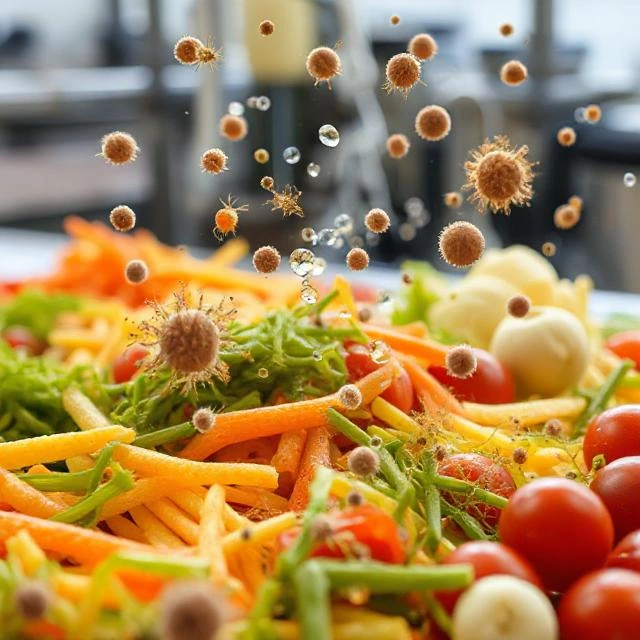
Though food poisoning is often viewed as a temporary inconvenience, it can lead to serious health complications if ignored. Knowing how to recognize symptoms, when to seek medical help, and how to treat or prevent it naturally is essential. Although many cases resolve on their own, some require urgent medical attention, especially in vulnerable populations such as young children, the elderly, pregnant women, and people with weakened immune systems. In this article, we explore everything you need to know about food poisoning, from what causes it to how you can treat and prevent it effectively.
What Causes Food Poisoning?
Microorganisms commonly contaminate food during handling, processing, cooking, or storage, making them the primary cause of food poisoning. Bacteria lead the list of offenders. For example, raw or undercooked poultry, eggs, and dairy products often carry Salmonella. Ground beef, leafy greens, and unpasteurized milk frequently harbor Escherichia coli (E. coli). Another harmful bacterium, Listeria monocytogenes, thrives in deli meats, soft cheeses, and smoked seafood.
Viruses also play a significant role in foodborne illnesses. Norovirus, sometimes referred to as the “stomach flu,” is highly contagious and spreads quickly in communal environments like cruise ships, schools, and restaurants. Hepatitis A is another viral infection transmitted through contaminated food and water, often due to poor hygiene among food handlers.
Parasites like Giardia or Toxoplasma sometimes cause food poisoning, although they appear less frequently than bacteria or viruses. Additionally, certain foods, particularly canned goods, may contain bacterial toxins like botulinum toxin (Clostridium botulinum), which is extremely dangerous and can affect the nervous system, not just the digestive tract.
Symptoms of Food Poisoning
The symptoms of food poisoning can appear within a few hours to several days after consuming contaminated food. They vary depending on the type of pathogen involved but typically affect the gastrointestinal system. Common symptoms include nausea, vomiting, watery or bloody diarrhea, abdominal cramps, fever, and fatigue. Severe cases of food poisoning can cause individuals to experience dehydration, muscle weakness, blurred vision, or difficulty breathing, especially when botulinum toxin is involved.
Dehydration is a major concern, especially in infants and the elderly. Signs of dehydration include dry mouth, decreased urination, dizziness, and sunken eyes. If left untreated, dehydration can lead to serious complications such as kidney failure or even death. Therefore, it’s critical to monitor symptoms closely and seek medical help if they worsen or persist beyond 48–72 hours.
Who Is at Risk?
While anyone can suffer from food poisoning, some individuals are more susceptible to its effects. Children under the age of five are particularly vulnerable due to their developing immune systems. Similarly, adults over 65 face greater health risks, as do pregnant women and those with chronic illnesses or immune deficiencies (e.g., cancer patients or individuals with HIV/AIDS).
Travelers are also at increased risk, especially when consuming unfamiliar or improperly prepared food in regions with lower sanitation standards. This is why traveler’s diarrhea, often caused by E. coli or Campylobacter, is a common concern for people visiting developing countries. Knowing how to identify high-risk foods and maintaining good hygiene habits can reduce the likelihood of infection.
Treatment for Food Poisoning
In most cases, food poisoning is self-limiting and can be managed at home. The main focus should be on rest, rehydration, and replenishing lost electrolytes. Oral rehydration solutions (ORS) or drinks containing salt and sugar can help restore the body’s fluid balance. Eating bland foods like boiled rice, toast, bananas, and applesauce can help soothe the digestive tract.
Natural remedies may also provide relief. Drinking warm water throughout the day can help flush out toxins and maintain hydration. Herbal teas such as ginger, thyme, and lemon verbena have anti-nausea and antimicrobial effects. Some people also find relief using carob powder, fennel seeds, or coriander seed infusions.
In more severe cases, especially when symptoms include high fever, persistent vomiting, or bloody diarrhea, medical intervention is essential. Doctors may prescribe antibiotics for bacterial infections or antiviral drugs in certain viral cases. Hospitalization and intravenous fluids may be necessary for extreme dehydration or toxin exposure. It’s important to avoid anti-diarrheal medications unless advised by a healthcare provider, as they may worsen certain infections by delaying the expulsion of harmful organisms.
The Role of Immunity in Food Poisoning

Post-2019, especially after the COVID-19 pandemic, many experts have observed a decline in general immune resilience among populations. This may explain why more individuals are now experiencing severe reactions to food poisoning than in previous years. A weakened immune system makes it harder for the body to fight off infections, leading to prolonged symptoms or complications.
To strengthen your immune response, it’s essential to adopt a healthy lifestyle: eat a nutrient-rich diet, stay physically active, reduce processed foods, and get enough rest. Natural immune boosters like propolis, a resinous bee product known for its antibacterial and antiviral properties, can help combat gastrointestinal infections effectively. Many people use moringa, a nutrient-dense plant, as a natural remedy to boost immunity and support detoxification.
Preventing Food Poisoning
Prevention is the most effective way to protect yourself and your family from food poisoning. Start by following the four core food safety practices: Clean, Separate, Cook, and Chill.
- Clean: Wash hands, utensils, and kitchen surfaces thoroughly before and after food preparation.
- Separate: Avoid cross-contamination by using separate cutting boards for raw meat and vegetables.
- Cook: Always cook foods to the correct internal temperatures; meat, poultry, fish, and eggs must be fully cooked.
- Chill: Refrigerate leftovers promptly and never leave perishable foods out at room temperature for more than two hours.
When eating out, choose reputable establishments and avoid raw or undercooked items like sushi, shellfish, or rare meat. While traveling, drink only bottled or purified water, and avoid street food unless it’s cooked in front of you and served hot.