

The world of weight management is rapidly changing. In 2025, groundbreaking weight loss solutions are transforming how doctors and patients approach obesity. For years, traditional methods like calorie restriction, exercise, and bariatric surgery dominated the field. However, recent scientific advances have introduced more effective, safer, and even personalized treatment options.
Researchers are now focusing on novel medications, genetic factors, and metabolism-targeting therapies that promise substantial weight loss with fewer side effects. In this article, we explore the most prestigious and up-to-date clinical studies shaping the future of weight loss.
GLP-1 Agonists: revolutionized obesity treatment
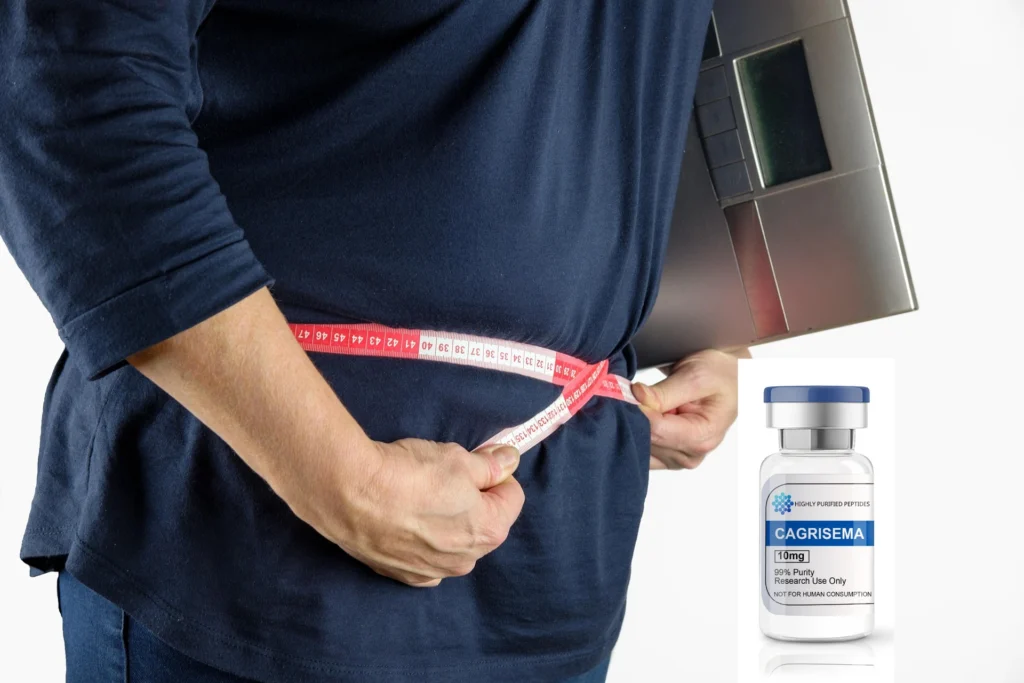
Semaglutide: approved Solution
Semaglutide, as a GLP-1 receptor agonist, has been already approved as a powerful obesity treatment. Recent phase III trials, such as the STEP studies, have confirmed semaglutide’s ability to sustain significant weight loss over two years. On average, participants lost 12% to 15% of their body weight, far exceeding results from older medications.
Beyond the impressive numbers, semaglutide also offers improvements in metabolic health, including better blood sugar control and reduced cardiovascular risk. However, long-term success often depends on continuous treatment. When therapy is interrupted, weight regain is common, which highlights the importance of maintenance strategies.
Tirzepatide: Maintaining Weight Loss Over Time
Building on the success of semaglutide, tirzepatide, a dual GIP/GLP-1 receptor agonist, has set a new benchmark in weight loss. The SURMOUNT-4 trial demonstrated that patients who continued maximal doses of tirzepatide maintained and even further reduced their weight over an additional 52 weeks compared to those switched to placebo.
This study provides critical insight: weight loss is not just about losing pounds, but also about sustaining results over the long term. Tirzepatide’s ongoing success has solidified its place among the most effective anti-obesity treatments available today.
Game-Changing Combination: Cagrilintide + Semaglutide (CagriSema)
A new combination therapy, known as CagriSema, is showing unprecedented effectiveness. According to the REDEFINE-1 and REDEFINE-2 clinical trials, this treatment delivered an average weight loss of 20% to 22% over 68 weeks.
What makes CagriSema unique is its dual-action mechanism. While semaglutide suppresses appetite and regulates blood sugar, cagrilintide further enhances satiety, helping patients feel full faster and for longer periods.
This breakthrough combination is especially promising for individuals with type 2 diabetes, who often face challenges in achieving weight loss with conventional treatments. The ongoing REDEFINE trials suggest that CagriSema could become the most effective pharmacological tool yet.
The Next Frontier: Oral Weight Loss Drugs
Orforglipron: A Convenient Alternative
One of the most exciting developments in 2025 is the arrival of Orforglipron, an oral GLP-1 receptor agonist. Unlike injectable therapies, orforglipron offers similar weight loss benefits without the need for needles.
Recent phase III studies (ACHIEVE-1) showed that participants achieved an average of 8% weight loss over 40 weeks. Although slightly less potent than injectable alternatives, orforglipron’s ease of use could significantly improve patient adherence.
Furthermore, orforglipron demonstrated a favorable safety profile with manageable gastrointestinal side effects. This oral solution may soon become a preferred option for those seeking a less invasive strategy.
Beyond Appetite Suppression: SANA, the Fat-Burning Pill
While many modern obesity treatment drugs focus on reducing appetite, SANA introduces a completely different mechanism. Developed by Eolo Pharma, SANA is a metabolism-boosting pill that stimulates fat-burning at the cellular level without suppressing hunger.
Early phase I trials revealed that participants experienced a 3% weight loss in just two weeks, with minimal side effects and preserved muscle mass. This rapid fat loss is particularly impressive, considering the short treatment duration.
If future trials confirm its long-term safety and efficacy, SANA could revolutionize the market as the first effective weight loss pill that does not rely on appetite control.
Personalized Medicine: The Role of Genetics
Despite the success of new therapies, some individuals struggle to lose weight even when following recommended treatments. Recent research published in the European Journal of Preventive Cardiology uncovered a surprising truth: genetics may strongly influence a person’s ability to lose weight.
The study found that approximately 28% of participants failed to achieve significant weight loss despite adhering to healthy diets and exercise regimens. However, these individuals still benefited from improved heart and metabolic health.
This discovery emphasizes the importance of personalized strategies. Going forward, genetic testing could help identify which treatments are most likely to succeed for each patient, paving the way for more individualized care.
Beyond Weight Loss: Additional Health Benefits
Weight loss therapies are now proving beneficial far beyond shedding pounds. A large-scale registry study in 2025 revealed that GLP-1-based treatments can reduce the risk of obesity-related cancers by nearly 50%, an effect comparable to bariatric surgery.
These findings not only validate the use of GLP-1 agonists as first-line treatments for obesity but also highlight their preventive potential. By lowering cancer risk, improving cardiovascular health, and supporting long-term weight maintenance, these drugs offer holistic benefits.
Retatrutide: The Triple Hormone Revolution
Another promising candidate is Retatrutide, a triple-agonist therapy currently in phase II trials. Retatrutide targets GLP-1, GIP, and glucagon receptors simultaneously, producing more than 22% weight loss over 48 weeks.
This multi-pathway approach could soon become the gold standard, outperforming even tirzepatide and CagriSema. Early studies suggest that Retatrutide may help patients lose weight faster and more efficiently, with sustained metabolic improvements.
Conclusion: The Future of Weight Loss is Here
The landscape of weight loss in 2025 is undeniably exciting. Groundbreaking therapies like semaglutide, tirzepatide, and the innovative CagriSema combination are setting new standards in obesity treatment. Oral drugs like orforglipron and metabolism-enhancing solutions such as SANA are providing more accessible and versatile options.
Furthermore, the growing focus on genetic factors and personalized care marks a significant shift towards precision medicine in weight management. With these advancements, weight loss is becoming more achievable, sustainable, and tailored to individual needs.
However, these breakthroughs also highlight the importance of ongoing treatment, medical supervision, and a holistic approach that goes beyond simple calorie counting. Whether through cutting-edge medication, personalized plans, or future genetic testing, the battle against obesity is evolving—and offering new hope for millions.