

Sweet potatoes are a delicious and nutrient-packed vegetable that offers a variety of health benefits. Rich in inulin sugar, fiber, antioxidants, and essential minerals, they support digestion, boost immunity, and help prevent chronic diseases. In this blog post, we’ll explore the incredible benefits of these vegetables and why they should be a staple in your diet.
1. What Makes Sweet Potatoes Special?
1.1 Rich in Inulin Sugar
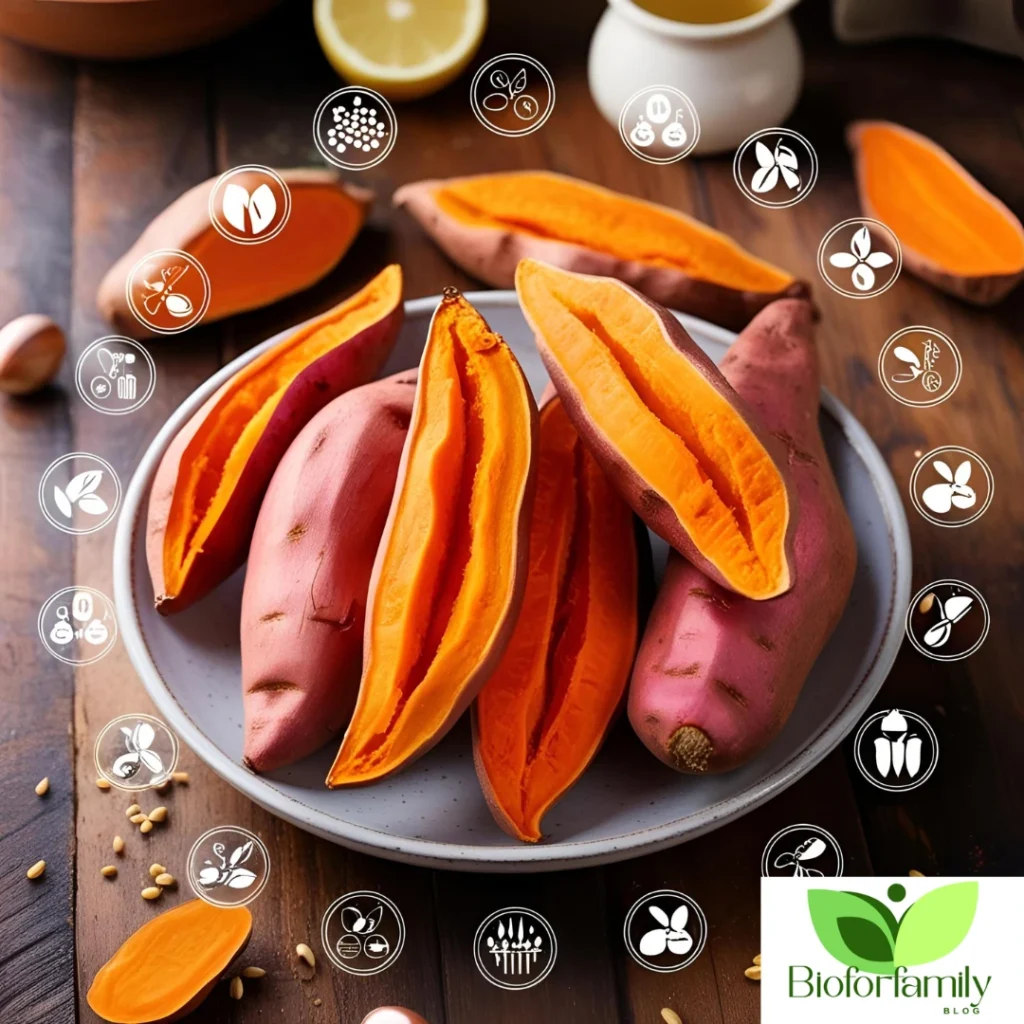
Sweet potatoes contain inulin sugar, a type of fructose-based fiber that nourishes beneficial gut bacteria. This makes them an excellent prebiotic food that promotes a healthy digestive system.
1.2 Variations in Inulin Content
The color of sweet potatoes can influence their inulin content. White varieties contain higher levels of this prebiotic fiber compared to red and orange ones. Inulin is beneficial for gut health as it acts as a food source for beneficial bacteria, promoting a healthy microbiome and aiding digestion. Inulin levels ranging from 4.4 to 6.5 grams per 100 grams. This makes this vegetable an excellent choice for supporting gut health and improving digestion.
1.3 Safe for Diabetics
Inulin does not require insulin for metabolism, making it a safe and beneficial option for individuals with diabetes. Unlike regular sugar, which can cause spikes in blood glucose levels and require insulin to be processed, inulin is a type of prebiotic fiber that is not digested in the small intestine. Instead, it reaches the colon where it supports gut health by nourishing beneficial bacteria. Since inulin has a minimal impact on blood sugar levels, consuming sweet potatoes can be a nutritious and diabetic-friendly option.
2. Nutrient-Rich Superfood

2.1 Packed with Essential Minerals
Sweet potatoes are packed with a variety of essential minerals, including manganese, potassium, iron, calcium, phosphorus, and magnesium, which are crucial for maintaining good health. Manganese supports bone health and metabolism, while potassium helps regulate blood pressure and muscle function. Iron is vital for red blood cell production and preventing anemia, and calcium plays a key role in maintaining strong bones and teeth. Phosphorus contributes to energy production and the formation of bones and teeth, while magnesium supports muscle function, nerve health, and bone strength.
2.2 High in Antioxidants
Sweet potatoes are an excellent source of beta-carotene, Vitamin C, and Vitamin E, all of which play a crucial role in neutralizing free radicals and protecting cells from oxidative damage. Beta-carotene, a powerful antioxidant, is converted into Vitamin A in the body, supporting vision, immune function, and skin health. Vitamin C strengthens the immune system, promotes collagen production for healthy skin, and helps repair tissues, while Vitamin E protects cell membranes from oxidative damage and supports overall skin health.
2.3 Supports Heart Health
Sweet potatoes are rich in potassium, with 340-360 mg per 100 grams, making them an excellent food for regulating blood pressure. Potassium helps balance the negative effects of sodium in the body, promoting the relaxation of blood vessel walls. Regular consumption of sweet potatoes can contribute to better heart health and a reduced risk of heart-related complications.
3. Used for a Strong Immune System
3.1 Anthocyanins for Liver Health
White sweet potatoes contain anthocyanin, which support liver detoxification and overall immune function. In the liver, they help neutralize free radicals that contribute to oxidative stress, support phase II detoxification enzymes to eliminate toxins. For immune health, anthocyanin enhances white blood cell activity, while also modulating inflammatory pathways to prevent excessive immune responses.
3.2 Cancer-Fighting Properties
Sweet potatoes are rich in antioxidants, including phenolic acids and glutathione, which play a significant role in cancer prevention and recovery. Phenolic acids, such as chlorogenic acid, have powerful anti-inflammatory and anticancer properties. They help neutralize free radicals and reduce oxidative stress, which is a key factor in the development of cancer. Glutathione, a potent antioxidant found in sweet potatoes, helps detoxify the body and protect cells from damage. It also supports the immune system and can enhance the body’s natural defense mechanisms.
3.3 Supports Digestive Health
Sweet potatoes are an excellent source of fiber and prebiotics, both of which contribute to a healthy gut microbiome and improved digestion. The fiber content aids in regular bowel movements, preventing constipation and promoting overall digestive health. Meanwhile, the prebiotics in sweet potatoes serve as fuel for beneficial gut bacteria, helping to balance the microbiome and support immune function.
4. Best Ways to be Consumed

4.1 Raw for Maximum Nutrition
Eating sweet potatoes raw can help preserve their natural enzymes and antioxidants, which may be diminished during cooking. When cut, they release a white milky liquid that is rich in catalase and proteases. Catalase is an enzyme that helps neutralize harmful hydrogen peroxide in the body, protecting cells from oxidative damage. Proteases are enzymes that break down proteins, supporting digestion and helping with the absorption of nutrients.
4.2 Cooking Methods Matter
Cooking sweet potatoes can alter their nutritional profile, with certain methods preserving more nutrients than others. Baking or steaming sweet potatoes are the best cooking methods for retaining their vitamins, minerals, and antioxidants. These methods allow the sweet potatoes to cook gently, minimizing nutrient loss. Baking in particular helps preserve beta-carotene, while steaming helps retain Vitamin C and other water-soluble nutrients. On the other hand, frying and boiling can lead to greater nutrient loss. Frying can also introduce unhealthy fats, and boiling may cause water-soluble vitamins to leach into the cooking water, which is often discarded. To get the most nutritional benefit, it’s best to bake or steam sweet potatoes.
4.3 Perfect for Smoothies and Juices
Blending sweet potatoes with yacon root and mineral water creates a highly nutritious drink that can significantly support immune function. Sweet potatoes, rich in vitamins, antioxidants, and fiber, provide essential nutrients like beta-carotene, Vitamin C, and potassium. Yacon root, known for its high content of fructooligosaccharides (FOS), acts as a prebiotic, promoting the growth of beneficial gut bacteria. The blend of fiber, antioxidants, and prebiotics helps to reduce inflammation, support digestion, and boost overall immunity.
5. Why They Should Be a Staple in Your Diet

5.1 Seasonal Superfood
Sweet potatoes are a fall-season vegetable perfectly suited to support health during the cooler months. Their rich nutritional profile, including complex carbohydrates, fiber, vitamins, and minerals, provides a warming and energy-boosting source of nutrition. Sweet potatoes help keep the body energized and support the immune system with their high content of Vitamin A, Vitamin C, and antioxidants. Their hearty texture and natural sweetness make them a comforting, nutritious addition to fall meals.
5.2 Ideal for Various Diets
Sweet potatoes are a versatile and nutritious addition to nearly any diet, whether you’re following a vegan, paleo, or gluten-free plan. They are naturally gluten-free, making them an ideal choice for those with gluten sensitivities or celiac disease. In a vegan diet, they provide a great source of fiber, vitamins, and minerals, helping to meet nutritional needs without animal products. For those following the paleo diet, sweet potatoes are a wholesome, nutrient-dense food that fits perfectly with the diet’s emphasis on whole, unprocessed foods. Their versatility allows them to be enjoyed in a variety of ways, from baked and roasted to mashed or blended into smoothies, making them a flexible ingredient in any meal plan.
5.3 Supports Long-Term Health
The antioxidants in sweet potatoes, such as beta-carotene, vitamin C, and anthocyanins, help combat oxidative stress, which in turn reduces inflammation in the body. Their high fiber content promotes healthy digestion by supporting regular bowel movements and nourishing beneficial gut bacteria. Additionally, the vitamins and minerals in sweet potatoes, particularly vitamin C and potassium, play a key role in enhancing immune function, helping the body defend against illnesses. Incorporating sweet potatoes into your diet regularly can contribute to overall health and well-being.