
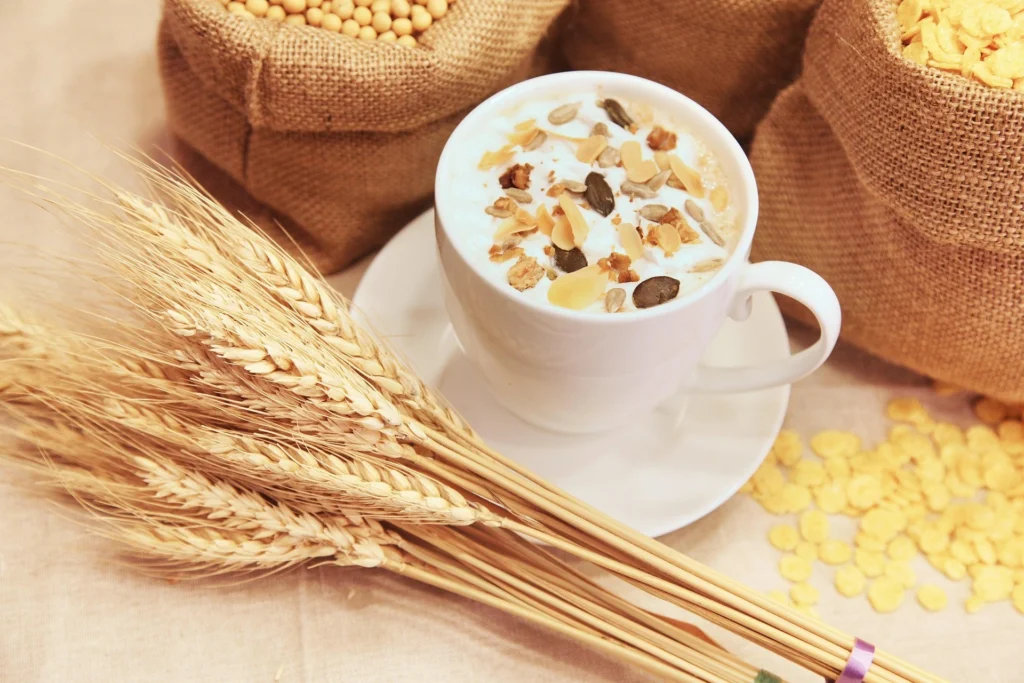
A natural diet is essential for human health. It includes whole, unprocessed foods directly from nature, such as grains, vegetables, fruits, legumes, herbs, and spices. These foods are compatible with the human body because they contain nutrients that our digestive system is perfectly designed to process.
However, the body cannot digest artificial chemicals and additives like aspartame, sucralose, preservatives, and artificial colorings. The body lacks the enzymes to break these substances down because they do not exist naturally. This is where many modern health problems begin.
The Human Body is Designed for Natural Foods
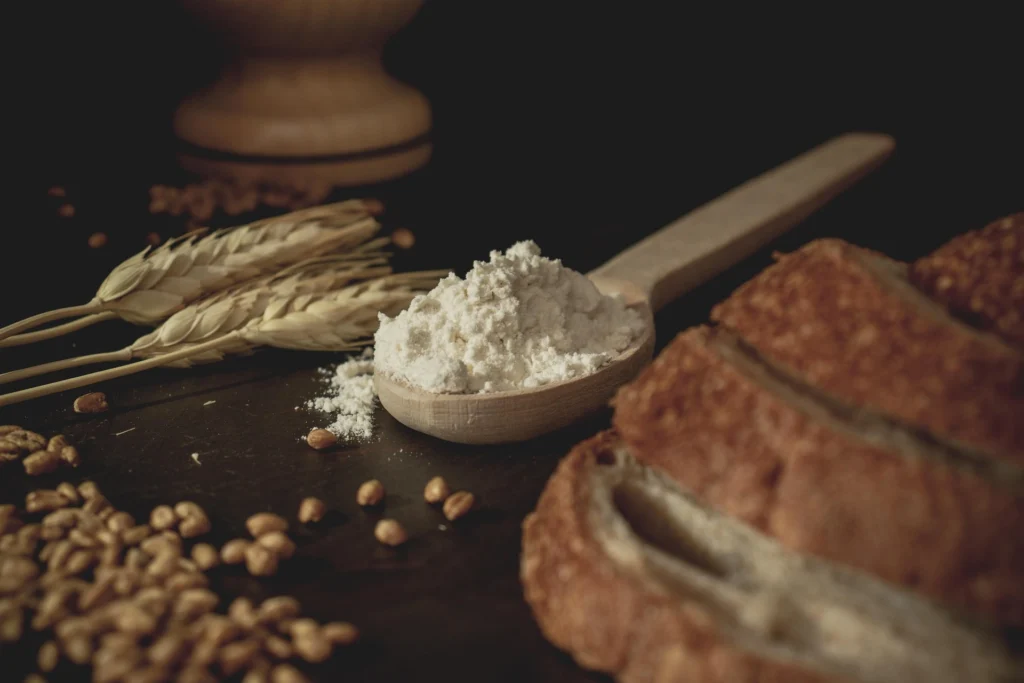
Our bodies have enzymes specifically created to digest natural starches, proteins, fats, and sugars found in whole foods. For example:
- Lipase digests fats.
- Proteases break down proteins.
- Carbohydrases digest carbohydrates.
When we eat natural foods like grains, fruits, and vegetables, our bodies process them efficiently. However, when we consume chemical additives or processed foods, the body struggles, leading to imbalances and potential health risks.
Why Processed Foods Are Harmful
Many processed foods contain artificial sweeteners, preservatives, synthetic flavorings and chemical coloring.
The body cannot digest these substances properly, which can contribute to digestive disorders, chronic inflammation, and other health issues.
The Role of Starches in Human Nutrition
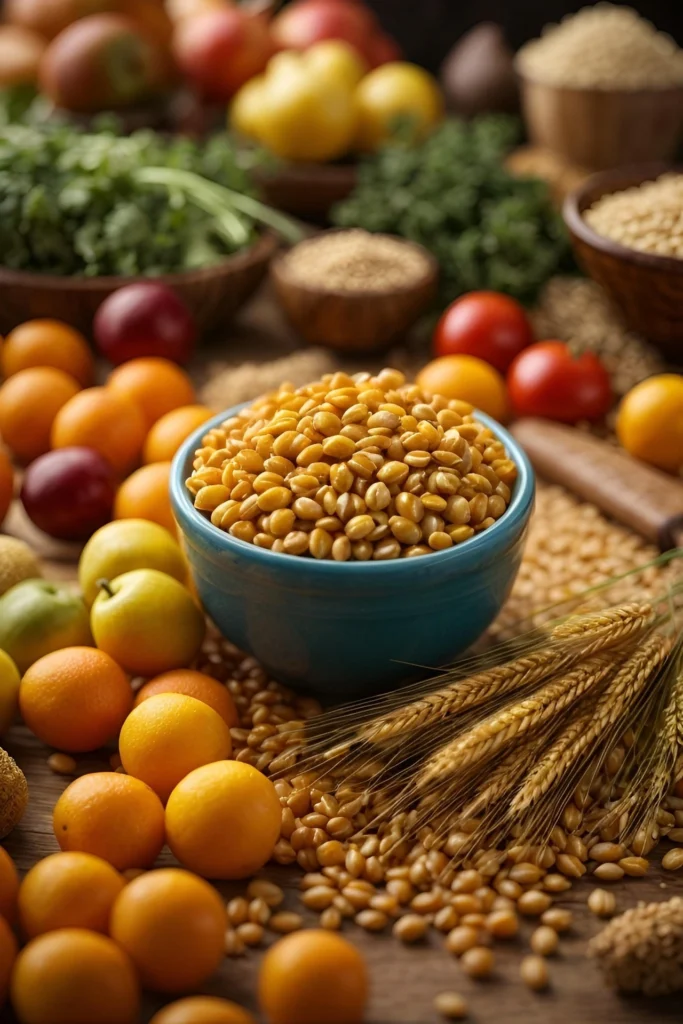
The most important food group in the natural diet is starches. Humans have relied on starches for thousands of years. They provide:
- Complex carbohydrates for energy
- Chromium, essential for blood sugar regulation
- B vitamins (B1, B3) for energy production
- Phytosterols to help reduce cholesterol
- Dietary fiber that supports digestion
Common Types of Starches
- Wheat (with gluten)
- Barley (with gluten)
- Rice (gluten-free)
- Corn (gluten-free)
- Oats (can be gluten-free if processed correctly)
- Sorghum (Zwan)
Each starch type offers unique health benefits. For example, sorghum helps reduce cholesterol naturally due to its phytosterol content.
Diversity in Starches is Essential
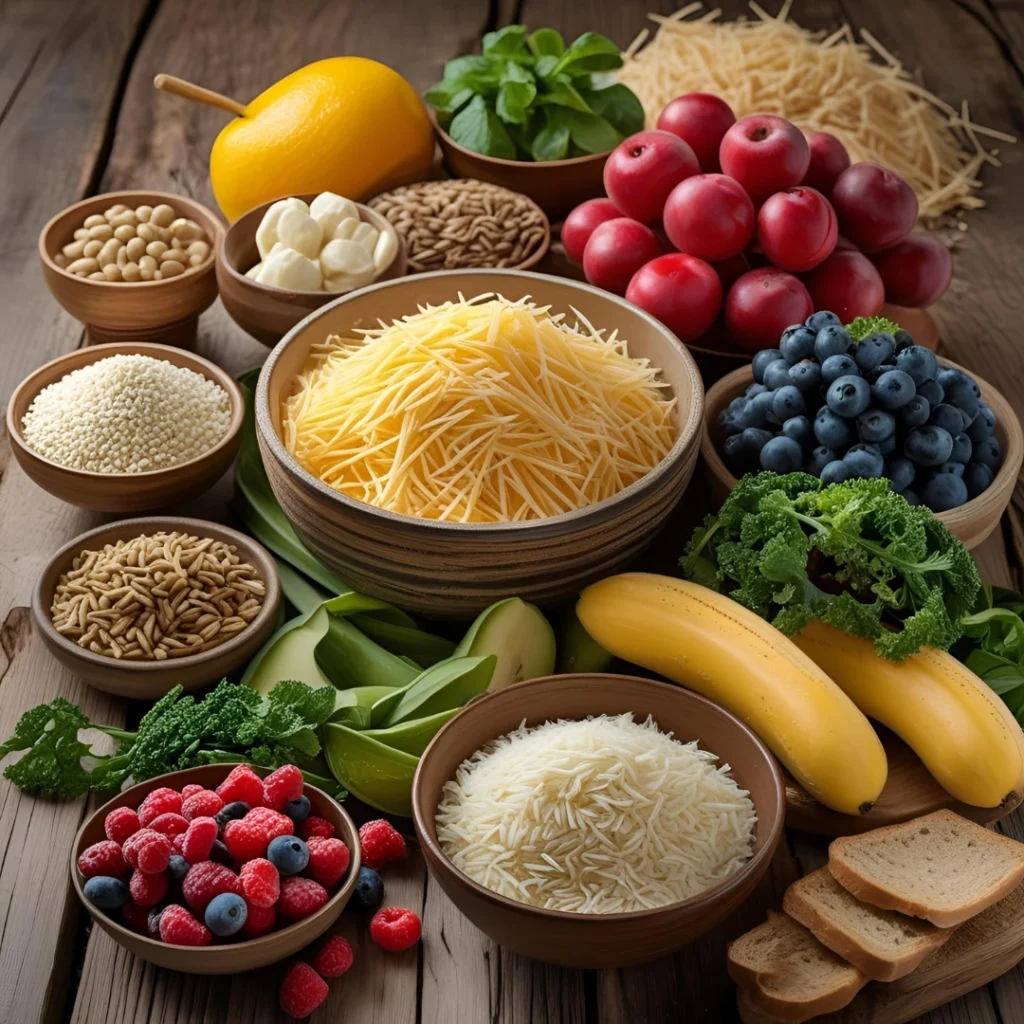
One key point often overlooked is that not all starches suit everyone. People have unique genetic makeups, which means:
- Some tolerate wheat, while others suffer from gluten sensitivity.
- Some digest barley easily, while others experience discomfort.
- Some people benefit from rice or corn instead.
It’s essential to observe your body’s reactions to different starches. If a particular grain consistently causes bloating or digestive issues, it may not suit you. Replace it with another starch from the same group, such as switching from wheat to rice or oats. Nature’s diversity exists to serve humanity’s diversity.
- People from different regions and genetic backgrounds require different foods.
- Not all bodies process food the same way.
- No one diet suits everyone.
This is why it’s dangerous to generalize diets or recommend that everyone avoids entire food groups like starches, legumes, or vegetables.
The Problem of Processed Bread and Food Addiction
Many people have developed a strong dependence on white bread, often without realizing it. This addiction is as serious as addictions to alcohol or tobacco. Giving up bread is incredibly hard for those who have consumed it since childhood.
Most industrial white bread is made with refined flour and artificial yeast, which harm people with diabetes and digestive disorders.
Hidden Addictions
- Some people believe they are addicted to sugar or caffeine but are actually addicted to bread.
- The soft, fluffy texture of modern bread makes it even more addictive.
- Unlike other grains, wheat contains gluten, which gives bread its structure but also causes sensitivity in some people.
Practical Advice: Test and Learn What Suits You
Food is personal. Each person should observe how their body responds to various foods. If a food repeatedly causes discomfort, it should be eliminated, even if it is widely consumed by others.
- If wheat causes problems, try switching to rice, oats, or corn.
- If barley is problematic, try sorghum or millet.
- If you react to legumes like chickpeas or fava beans, it may be a cooking issue or a genuine intolerance.
Test, observe, and adapt. You can conduct your own simple dietary experiments at home.
Cooking Methods Matter
- Rice is best steamed or boiled.
- Corn can be eaten as porridge, in soups, or mixed with wheat flour to make bread.
- Barley and oats can be consumed as soups or porridges.
Avoid overly processed or pre-cooked foods. Cooking at home with natural ingredients is always the safer, healthier choice.
Conclusion: Listen to Your Body
- Nature provides a variety of starches for a reason.
- Humans are biologically diverse; what suits one person may harm another.
- Avoid rigid, one-size-fits-all dietary advice.
- Observe, learn, and adjust your diet based on how your body feels.
Most importantly, stay away from chemical additives and processed foods whenever possible. Choose whole, natural ingredients, cook your meals at home, and take back control of your health.