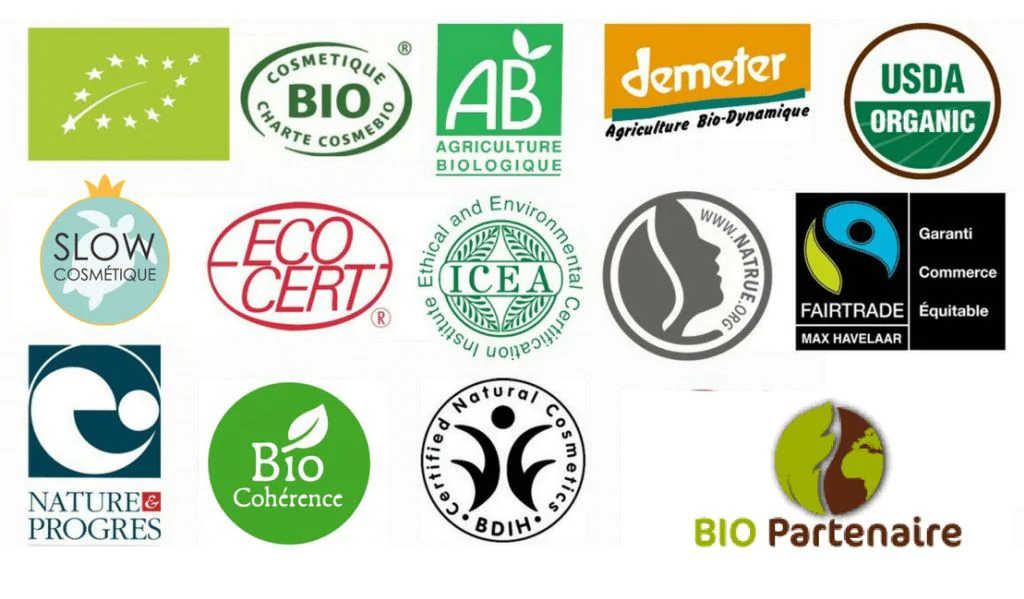
As consumers become increasingly conscious of the environmental and health impacts of their purchases, bio certifications have become essential markers of product authenticity. These certifications ensure that products adhere to rigorous organic, ecological, and sustainability standards. However, with numerous certifications available, it is crucial to understand which ones are the most trusted and what they represent. In this comprehensive guide, we will explore the most reputable bio certifications worldwide and what they guarantee.
1. USDA Organic (United States)
The USDA Organic certification is one of the most recognized organic labels globally. The United States Department of Agriculture (USDA) governs this certification and ensures that agricultural products meet strict organic farming practices. To earn this certification, a product must:
- Be produced without synthetic pesticides, fertilizers, or genetically modified organisms (GMOs).
- Contain at least 95% certified organic ingredients.
- Follow sustainable farming methods that promote biodiversity and soil health.
This certification applies to a range of products, including food, beverages, personal care items, and textiles.
2. EU Organic (European Union)
The EU Organic certification is the official organic label within the European Union. This certification follows strict EU regulations for organic farming:
- Farmers avoid synthetic chemicals and GMOs.
- They uphold high animal welfare standards.
- They implement sustainable farming practices.
Products with this label must contain at least 95% organic ingredients, and farms undergo rigorous annual inspections to ensure compliance.
3. ECOCERT (International)
ECOCERT is an internationally recognized certification organization based in France. It was one of the first bodies to develop standards for organic farming and cosmetics. Products certified by ECOCERT must:
- Contain a minimum of 95% natural ingredients.
- Use environmentally friendly production and processing methods.
- Ensure packaging is biodegradable or recyclable.
ECOCERT certifies food, cosmetics, textiles, and household cleaning products, making it a versatile and trusted label.
4. Soil Association Organic (United Kingdom)
The Soil Association is the UK’s leading organic certification body. It ensures that:
- Crops grow without synthetic pesticides and fertilizers.
- Animal welfare standards are strictly followed.
- Sustainability is a priority in production processes.
Soil Association-certified products often exceed EU Organic standards, making it one of the most respected organic labels in Europe.
5. Demeter (Biodynamic Certification – International)
Demeter is the oldest organic certification and is based on biodynamic agriculture principles. It ensures that:
- Farms follow a holistic, ecological approach to farming.
- Soil fertility is enhanced naturally without synthetic inputs.
- Livestock are raised under strict welfare conditions.
Demeter-certified farms go beyond organic farming by incorporating spiritual and cosmic influences in agriculture.
6. Naturland (Germany and International)
Naturland is a German-based organic certification that covers both food and textiles. It emphasizes:
- Fair trade practices alongside organic standards.
- High environmental and social responsibility.
- Strict organic aquaculture standards for seafood.
Naturland is highly regarded in the organic sector and is recognized globally.
7. Canada Organic (Canada)
The Canada Organic label is regulated by the Canadian Food Inspection Agency (CFIA) and ensures:
- No synthetic pesticides, herbicides, or GMOs are used.
- Products meet international organic standards.
- Farmers and producers follow sustainable practices.
Canada Organic certification is often equivalent to USDA Organic and EU Organic, making it highly trusted.
8. JAS Organic (Japan Agricultural Standard)
The JAS Organic certification is Japan’s official organic certification. It ensures that:
- Products meet strict organic farming regulations.
- No synthetic chemicals or genetically modified substances are used.
- Certified farms and processors undergo regular inspections.
Consumers in Japan and around the world highly respect JAS certification
9. Australian Certified Organic (ACO) (Australia)
The Australian Certified Organic (ACO) label is the leading organic certification in Australia. It guarantees that:
- Products are free from synthetic chemicals and GMOs.
- Farming practices prioritize soil health and biodiversity.
- Organic standards meet or exceed international regulations.
ACO certification is one of the most comprehensive organic labels available.
10. Bio Suisse (Switzerland)
Bio Suisse is Switzerland’s top organic certification. We recognize this certification by:
- Promoting biodiversity and soil fertility.
- Strict animal welfare regulations.
- High sustainability standards beyond EU Organic requirements.
Consumers highly value Bio Suisse-certified products for their ecological and ethical farming practices.
11. Why Bio Certifications Matter
Choosing products with reputable bio certifications helps consumers:
- Ensure quality and authenticity – Certified organic products undergo rigorous testing and verification.
- Support sustainable farming – Bio certifications promote environmental responsibility.
- Improve health and well-being – Organic products are free from harmful synthetic chemicals.
- Encourage ethical consumerism – Many bio certifications incorporate fair-trade principles and high animal welfare standards.
Bio certifications serve as vital tools for identifying trustworthy organic products. By understanding the significance of these labels, consumers can make informed decisions that align with their health and sustainability goals. Whether purchasing food, cosmetics, textiles, or household items, choosing products with established certifications ensures quality, safety, and ethical responsibility. Always look for trusted certifications like USDA Organic, EU Organic, ECOCERT, and Demeter when shopping for bio products to guarantee authenticity and support sustainable practices.