
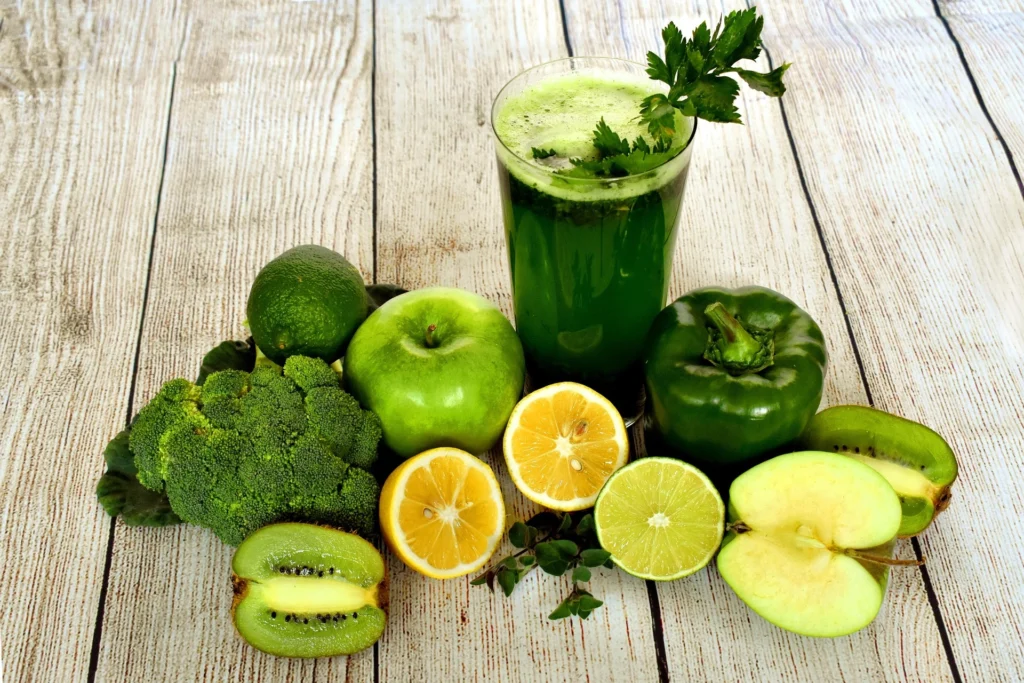
High blood pressure, or hypertension, affects over a billion people worldwide and is often dubbed the “silent killer”. Left unmanaged, it significantly increases the risk of heart attack, stroke, kidney disease, and cognitive decline. While prescription medications are effective and often necessary, many individuals are turning to natural, food-based strategies to support their cardiovascular health. Among the most promising options are juices packed with nutrients that help regulate blood pressure and improve overall heart function.
Below, we explore the top five juices scientifically linked to blood pressure reduction, highlighting their key nutrients, health benefits, and supporting research.
1. Beetroot Juice: The Natural Nitrate Booster
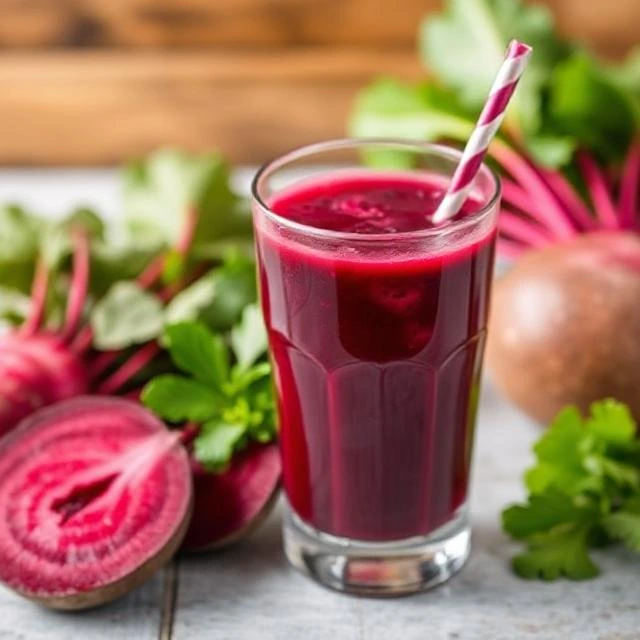
Beetroot juice stands out as one of the most researched natural remedies for hypertension. It’s naturally high in dietary nitrates, which the body converts into nitric oxide. This molecule helps dilate blood vessels, reduce arterial stiffness, and enhance blood flow. Beetroot juice can significantly lowers both systolic and diastolic blood pressure, improves endothelial (vessel wall) function and boosts oxygen delivery, especially beneficial for athletes.
Scientific Insight:
A landmark study from the University of Exeter demonstrated that twice-daily consumption of beetroot juice for 14 days led to a marked decrease in blood pressure among older adults. The mechanism is linked to the oral microbiome’s role in converting nitrates into nitric oxide. This process improves circulation and reduces vascular resistance. This makes beetroot juice an ideal natural option for those managing early-stage hypertension or prehypertension.
2. Cranberry Juice: Packed with Polyphenols and Heart Benefits
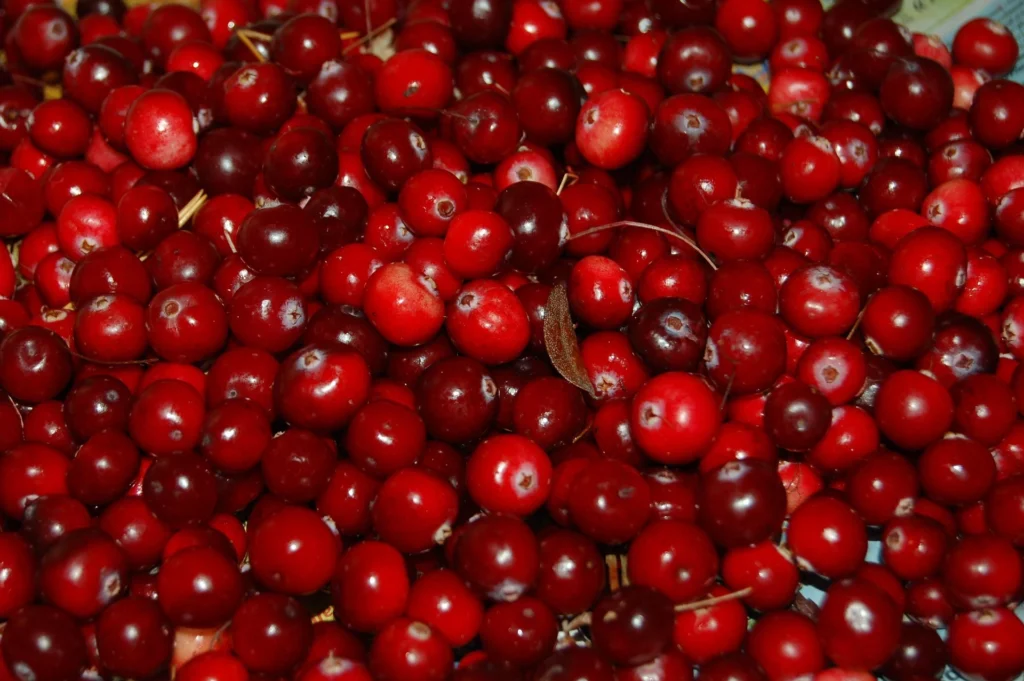
Cranberry juice is a polyphenol powerhouse. These antioxidants help reduce inflammation, relax blood vessels, and improve endothelial function, all of which are crucial in maintaining healthy blood pressure levels. Cranberry juice may supports vascular flexibility and circulation. It reduces oxidative damage to the cardiovascular system and helps maintain normal blood pressure when consumed regularly.
Clinical Evidence:
A study conducted by the University of Helsinki found that long-term intake of diluted cranberry juice improved systolic blood pressure and arterial health. Participants showed lower inflammatory markers and better endothelial performance after consistent daily consumption. This study conclude that cranberry juice may serve as a valuable adjunct to conventional treatment, especially for individuals with borderline high blood pressure.
3. Tomato Juice: A Natural Source of Lycopene and Potassium
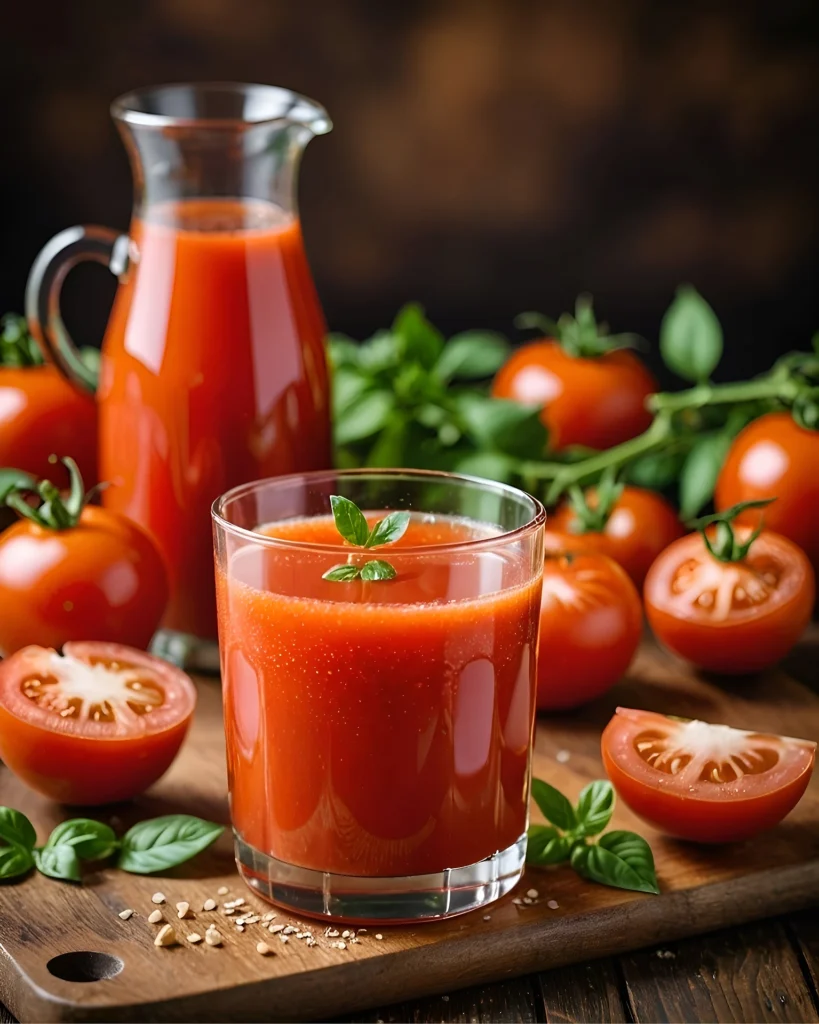
Unsalted tomato juice offers a potent combination of lycopene, potassium, and vitamin C, all known for their cardiovascular benefits. Lycopene, in particular, is a carotenoid with strong antioxidant properties that can reduce oxidative stress and cholesterol buildup in arteries. It also decreases LDL (“bad”) cholesterol, regulates high blood pressure through potassium content and promotes healthy blood vessel elasticity.
Study Highlight:
A 2019 study published in Food Science & Nutrition followed over 480 adults in Japan over a 12-month period. Participants consumed one glass of unsalted tomato juice daily, resulting in significant reductions in both blood pressure and LDL cholesterol. These findings underscore the juice’s potential as a long-term dietary intervention for hypertension, especially when paired with a low-sodium diet.
4. Pomegranate Juice: Ancient Remedy with Modern Clinical Backing
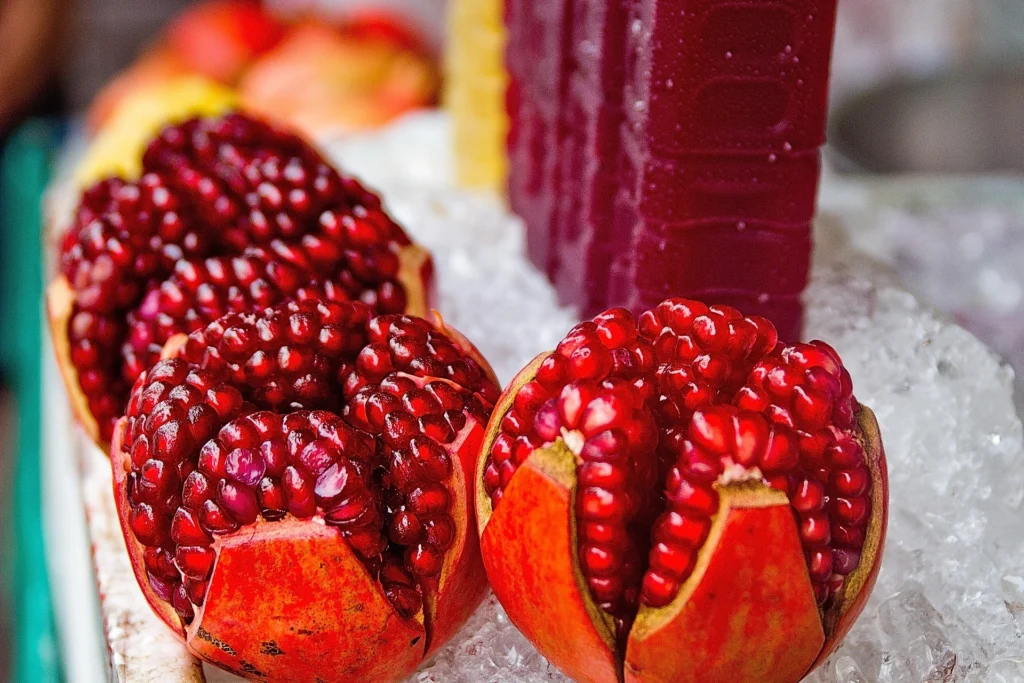
Pomegranate juice is deeply rooted in traditional medicine, and modern science now validates its cardiovascular advantages. Rich in punicalagins, anthocyanins, and tannins, pomegranate juice offers strong anti-inflammatory and vasodilatory effects, helping lower blood pressure naturally. It can reduces systolic and diastolic pressure, prevents buildup of arterial plaque and lowers oxidative stress and inflammation.
Research Support:
Numerous studies show that just two weeks of daily pomegranate juice intake can result in measurable reductions in blood pressure. In one study published in Phytotherapy Research, participants experienced an average 5% drop in systolic pressure after short-term use. Regular consumption may also slow the progression of atherosclerosis, making it a dual-action solution for those concerned about both blood pressure and arterial health.
5. Green Juices: A Potassium-Rich Blend of Leafy Powerhouses
Green juices made from spinach, kale, celery, cucumber, and parsley are excellent choices for blood pressure regulation. These vegetables are high in potassium, a mineral that helps the body flush out excess sodium, a key factor in hypertension, and contributes to balanced blood pressure. It may also promotes fluid balance and kidney function, helps relax blood vessels and reduce vascular resistance and provides essential micronutrients like magnesium and folate.
Adding ingredients like lemon juice, ginger, or cucumber not only enhances flavor but also adds additional antioxidant and anti-inflammatory benefits. For best results, green juices should be consumed fresh and preferably unsweetened to avoid added sugars.
Juices as a Complement, Not a Cure
Use these juices as powerful allies in lowering blood pressure, but make them part of a comprehensive lifestyle strategy. Regular exercise, weight management, stress reduction, and a whole-food, low-sodium diet remain essential pillars of cardiovascular health. For those on antihypertensive medications, consult a healthcare provider before introducing large amounts of any juice, as some can interact with medications or alter electrolyte balance.