
Non-GMO Certified label guarantees that a product does not contain genetically modified organisms (GMOs). To earn this certification, companies must follow strict testing and compliance guidelines. The Non-GMO Project Verified is one of the most recognized certification programs.
Unlike conventional products, Non-GMO Certified foods are tested at multiple stages. For example, seed sources, ingredient suppliers, and manufacturing processes must meet Non-GMO standards. As a result, consumers can trust that certified products are free from genetic modification.
Many people wonder about the difference between GMO and Non-GMO foods. Simply put, GMOs are created using genetic engineering, while Non-GMO products come from natural or traditional breeding methods. By choosing Non-GMO Certified foods, consumers support natural food production and avoid potential risks linked to genetic modification.
1.What Does Non-GMO Certified Mean?
The Non-GMO Certified label ensures that a product does not contain genetically modified organisms (GMOs). To receive this certification, companies must meet strict guidelines and undergo detailed testing. The Non-GMO Project Verified seal is one of the most widely recognized certifications, and it provides assurance to consumers that the product has been thoroughly tested and meets high standards.
1.1. How Products Get Non-GMO Certification
To earn Non-GMO certification, products must go through a comprehensive process. Companies test ingredients at various stages of production to ensure they do not contain GMOs. They must also ensure that there is no cross-contamination between GMOs and Non-GMO crops, a challenge that requires constant monitoring. Regular audits are performed to maintain compliance with the Non-GMO standards and ensure the integrity of certified products.
1.2. Key Differences: GMO vs. Non-GMO
The primary difference between GMO and Non-GMO foods is the method of creation. GMO foods are developed using genetic engineering, a process that manipulates an organism’s DNA to achieve specific traits, such as pest resistance or faster growth. Non-GMO foods, on the other hand, are produced through traditional breeding methods, such as selective cross-breeding of plants or animals. Many consumers prefer Non-GMO products to avoid potential long-term health risks associated with genetically modified organisms.
1.3. The Role of the Non-GMO Project Verified Seal
The Non-GMO Project Verified seal plays a crucial role in helping consumers identify trustworthy products. It ensures that the food has passed a strict testing process and meets high standards for Non-GMO certification. This seal is one of the most reliable ways for consumers to find food that is free from genetic modification. As such, it has become a trusted mark for individuals looking to make informed, healthier food choices.
1.4. Why Consumers Choose Non-GMO Certified Products
Consumers choose Non-GMO Certified products for various reasons. Health concerns are a significant factor, as many individuals wish to avoid the potential risks associated with genetically modified organisms. Additionally, many people prefer natural, organic foods that are produced without the use of genetic modification. Lastly, choosing Non-GMO products supports sustainable agriculture practices, which are often seen as more environmentally friendly compared to conventional farming methods that rely on GMOs.
2.The Benefits of Choosing Non-GMO Certified Products
Choosing Non-GMO Certified products offers a variety of benefits, ranging from improved health to environmental sustainability. Many people opt for these products because they want to make healthier and more informed food choices. Additionally, Non-GMO products support a more transparent and sustainable food system, which is why they have gained popularity in recent years.
2.1. Health Benefits of Non-GMO Foods
One of the main reasons consumers choose Non-GMO certified foods is to avoid potential health risks linked to genetically modified organisms. While the long-term health effects of GMOs are still under debate, many prefer to err on the side of caution by selecting foods that are free from genetic modification. Non-GMO foods are often grown without the use of synthetic pesticides and herbicides, which can also contribute to better overall health.
2.2. Environmental Impact of Non-GMO Farming
Non-GMO farming typically supports more environmentally sustainable practices than conventional GMO farming. Without the need for genetically engineered seeds, farmers often adopt crop rotation and other eco-friendly techniques to maintain soil health and reduce pesticide use. As a result, Non-GMO farming can help protect biodiversity and reduce the negative impacts of modern agriculture, such as soil erosion and water contamination from harmful chemicals.
2.3. Supporting Sustainable Agriculture
By choosing Non-GMO certified products, consumers play an active role in promoting sustainable agriculture. Non-GMO farming practices prioritize long-term soil health, ecosystem stability, and the reduction of chemical inputs. These practices also encourage the use of traditional, natural methods of crop cultivation, which are often more adaptable to local conditions and require fewer artificial interventions. Supporting Non-GMO farming ultimately contributes to a more resilient and sustainable food system for future generations.
2.4. Better Food Quality and Taste
Many consumers believe that Non-GMO foods offer superior taste and quality. As Non-GMO crops often grow in a more natural, less industrialized environment, they tend to have fewer chemicals and preservatives, which may lead to fresher, more flavorful food. Additionally, Non-GMO crops often come from smaller, family-owned farms that focus on producing high-quality, nutrient-rich products. This can result in food that is more flavorful, nutritious, and satisfying than conventionally grown GMO alternatives
3.How to Identify Non-GMO Certified Products?
Identifying Non-GMO Certified products in stores is easier than ever, thanks to clear labeling and certification programs. With the growing demand for Non-GMO foods, many companies have adopted transparent labeling practices. However, consumers must know what to look for to ensure they are purchasing truly Non-GMO certified products.
3.1. Look for the Non-GMO Project Verified Seal
The most reliable way to identify Non-GMO Certified products is by looking for the Non-GMO Project Verified seal. This seal is issued by the Non-GMO Project, a non-profit organization that provides third-party verification of Non-GMO claims. Products bearing this seal have passed rigorous testing for GMOs, ensuring that they meet the highest standards for Non-GMO certification.
3.2. Understand GMO Labeling Laws
While the Non-GMO Project Verified seal is the most common indicator, it’s also important to understand GMO labeling laws. In many countries, food manufacturers must disclose whether their products contain GMOs. In the United States, the National Bioengineered Food Disclosure Standard requires to label foods containing GMOs as “bioengineered.” While this helps identify GMO foods, it is less specific than the Non-GMO Project Verified label, so consumers should still be cautious and seek out trusted certifications.
3.3. Check for USDA Organic Certification
Another way to identify Non-GMO products is by looking for USDA Organic certification. Organic standards prohibit the use of genetically modified organisms, so certified organic foods are naturally Non-GMO. While not all Non-GMO products are organic, USDA Organic certification is an excellent indicator that a product is free from GMOs and grown without synthetic chemicals.
3.4. Read Ingredient Lists and Packaging Carefully
If you can’t find the Non-GMO Project Verified seal or an organic certification, reading the ingredient list is a good way to check for GMOs. We most commonly found GMOs in ingredients like corn, soy, canola, and sugar. Be on the lookout for terms like “corn syrup,” “soy lecithin,” or “high fructose corn syrup,” which are often made from genetically modified crops. By carefully examining ingredient labels, you can avoid products that contain hidden GMOs
4.Non-GMO vs. Organic: What’s the Difference?
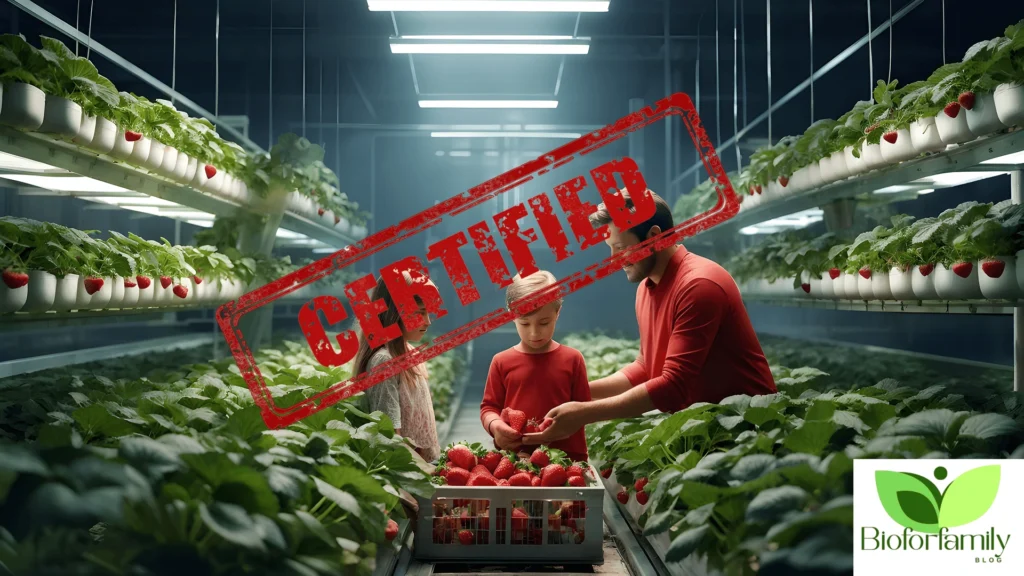
While both Non-GMO and Organic products offer significant health and environmental benefits, they are not the same. Understanding the key differences between these two labels helps consumers make informed decisions about their food choices.
4.1. What Makes a Product Non-GMO?
A Non-GMO product is one that does not contain genetically modified organisms. To earn Non-GMO certification, food manufacturers must ensure that none of the ingredients are genetically engineered. Non-GMO products may be grown using conventional or organic farming methods. However, the key focus is on the absence of GMOs, rather than the farming practices used to grow the food. Non-GMO products can still use synthetic pesticides and fertilizers, depending on farming practices.
4.2. What Makes a Product Organic?
Organic certification goes beyond the absence of GMOs. The products with organic label grow without synthetic pesticides, herbicides, or fertilizers, and without genetically modified organisms. Organic farming also prioritizes soil health, biodiversity, and eco-friendly agricultural practices. Additionally, organic products are not treated with artificial preservatives or additives. While all organic products are Non-GMO, not all Non-GMO products are organic. Organic foods typically undergo more stringent regulations than Non-GMO foods, as they focus on sustainability and health throughout the entire production process.
4.3. Pesticides and Herbicides: How They Differ
One key distinction between Non-GMO and Organic foods is the use of pesticides and herbicides. Organic farming strictly prohibits the use of synthetic chemicals, and farmers must rely on natural alternatives to control pests and weeds. Non-GMO foods, however, may still grow with synthetic pesticides and herbicides, which are common in conventional farming. If minimizing pesticide exposure is important to you, organic may be the better choice, as it guarantees no synthetic chemicals in production.
4.4. Which Is Better for You: Non-GMO or Organic?
Choosing between Non-GMO and Organic depends on your priorities. If avoiding GMOs is your primary concern, Non-GMO certified products are a great option. However, if you also want to avoid synthetic chemicals and support more sustainable farming practices, organic products may be a better fit. Ultimately, both labels can help you make healthier, more environmentally conscious food choices. It’s important to carefully evaluate your personal values and preferences when shopping for food.
5.The Future of Non-GMO Foods & Consumer Awareness

As consumer demand for healthier, more sustainable food options grows, the future of Non-GMO foods looks promising. More companies are adopting Non-GMO certifications, and consumer awareness about the benefits of choosing Non-GMO products continues to rise. This section explores the evolving landscape of Non-GMO foods, how biotechnology may influence the future of food production, and the role of consumer education in making informed food choices.
5.1. Growing Demand for Non-GMO Foods
The demand for Non-GMO certified foods has surged in recent years, driven by increasing consumer concerns over health, the environment, and food transparency. Non-GMO Project Verified products are becoming more widely available, and many mainstream grocery stores now feature dedicated sections for Non-GMO foods. Consumers are more informed than ever, and as their preferences evolve, companies are responding by offering more Non-GMO options. This shift in consumer behavior is encouraging a broader cultural move toward healthier and more sustainable food systems.
5.2. The Role of Biotechnology in Food Production
Despite the growing popularity of Non-GMO foods, biotechnology continues to play a significant role in modern agriculture. Genetic engineering has allowed for the development of crops that are resistant to pests, diseases, and extreme weather conditions. However, concerns over the long-term health effects and environmental impact of genetically modified organisms (GMOs) remain prevalent. As biotechnology advances, the conversation about GMOs vs. Non-GMO foods will likely continue, and it will be important for consumers to stay informed about emerging technologies and their potential impact on food production.
5.3. Consumer Education and Awareness
Education is key to promoting awareness about Non-GMO foods and helping consumers make more informed decisions. As GMO labeling laws evolve and more products become certified, consumers need accurate information to differentiate between Non-GMO and GMO foods. Companies, advocacy organizations, and government bodies must continue to educate the public about the importance of Non-GMO certification and what it means for health, the environment, and food safety. Empowered consumers can push for more transparency and demand higher standards in food labeling.
5.4. The Importance of Supporting Non-GMO Choices
Supporting Non-GMO certified products not only benefits individual health but also plays a role in creating a more sustainable food system. By choosing Non-GMO foods, consumers help drive the demand for safer, more eco-friendly agricultural practices. This, in turn, encourages companies to invest in better farming techniques, fewer pesticides, and more ethical food production methods. As more people become aware of the impact their food choices can have on the planet and their health, the future of Non-GMO foods will likely continue to thrive, shaping a healthier and more sustainable food system for generations to come.
Choosing Non-GMO Certified products is a powerful way to make healthier, more informed decisions about the food you eat. With increasing concerns about the potential health risks of genetically modified organisms (GMOs), more consumers are turning to Non-GMO certified options for peace of mind. Non-GMO foods not only support better health but also promote sustainable agriculture and a cleaner environment.
As the demand for Non-GMO products continues to grow, so does the availability of certified foods, making it easier for consumers to identify trustworthy options. Whether you prioritize health benefits, environmental sustainability, or simply want to avoid GMOs, Non-GMO Certified foods offer numerous advantages.
By being mindful of Non-GMO labels and choosing Non-GMO verified products, you can contribute to a healthier food system and make a positive impact on your well-being and the planet. Stay informed, stay empowered, and make the conscious choice to support Non-GMO certified foods for a better future