
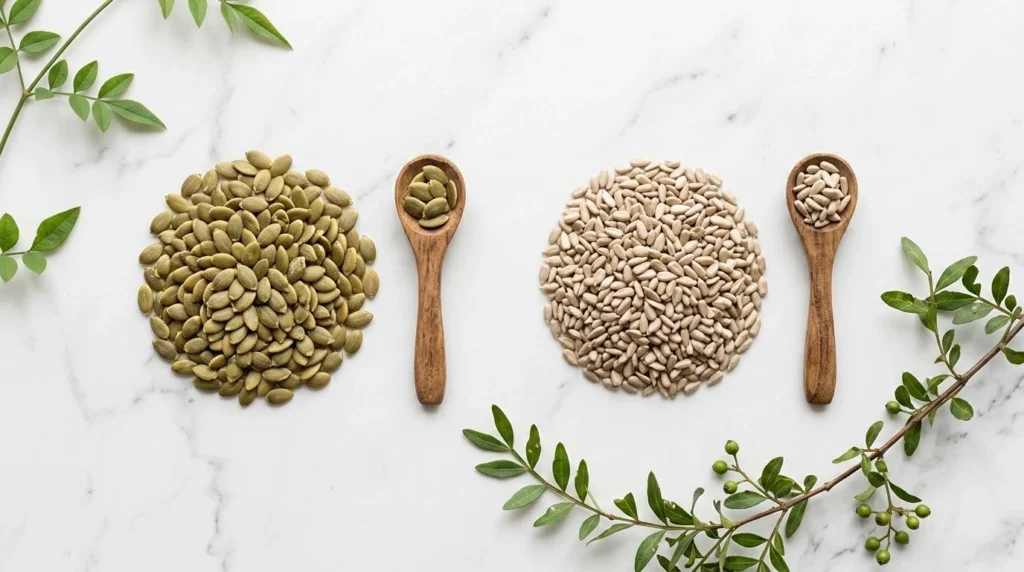
Natural ingredients are taking over the beauty conversation. Experts in nutrition and dermatology are paying close attention to what we eat and how it affects our glow. Among the most talked-about foods right now are seeds. Specifically, pumpkin seeds and sunflower seeds have emerged as two of the most nutrient-dense options for skin and hair health.
However, if you had to choose just one, which would it be? The answer is not straightforward. Each seed carries a distinct nutritional profile. Each one influences skin, hair, and nails in different ways. Furthermore, recent research reveals surprising nuances about which seed does what best.
This guide breaks down the science clearly. You will learn what each seed contains, how those nutrients affect your skin and hair specifically, which one wins for each concern, and whether combining them delivers the best results overall.
The Science of Beauty Nutrition: Why Seeds Matter
Beauty nutrition has become one of the fastest-growing fields in dermatology research. For a long time, skincare focused almost entirely on topical products. Today, however, scientists understand that what you eat shapes how your skin looks and behaves just as much as what you apply to it.
How Diet Affects Skin and Hair from the Inside
Skin cells renew constantly. They need a continuous supply of vitamins, minerals, proteins, and healthy fats to do this well. Without adequate nutrition, cell turnover slows. As a result, the skin looks dull, dry, and less resilient.
Hair follows a similar logic. Each hair follicle is a miniature organ. It requires specific nutrients to produce strong, healthy strands. Consequently, deficiencies in key minerals or proteins often show up first as hair thinning or excessive shedding.
Seeds fit exceptionally well into this nutritional picture. They are among the most nutrient-dense foods available. In addition, they pack protein, healthy fats, fiber, and essential minerals into very small serving sizes. That is why nutritionists consistently recommend them as part of a beauty-focused diet.
What Makes a Seed a Superfood for Beauty?
The term superfood gets overused. However, in the context of skin and hair health, seeds genuinely earn the label. They deliver concentrated doses of nutrients that directly support the biological processes behind healthy skin and strong hair.
Specifically, the key factors are antioxidant content, mineral density, protein quality, and fatty acid profile. Each of these factors influences a different aspect of skin and hair biology. Therefore, evaluating pumpkin seeds and sunflower seeds means comparing them across all four dimensions, not just one.
Pumpkin Seeds: The Mineral Powerhouse for Hair and Scalp
Pumpkin seeds have a long history in traditional medicine. Today, nutritional science is catching up and confirming why they deserve their reputation. Their greatest strength lies in their mineral content, particularly zinc, magnesium, and iron.
Zinc: The Key Mineral for Hair Growth
Zinc is arguably the most important mineral for hair health. It participates in tissue repair, sebum regulation, and the maintenance of healthy follicles. Additionally, zinc supports the enzymes that build keratin, the structural protein that makes up each hair strand.
Multiple studies have linked zinc deficiency to hair loss and slowed growth. Specifically, research shows that people with certain types of alopecia often have lower zinc levels than those without hair loss. For this reason, pumpkin seeds are frequently cited by nutritionists as a top dietary source of zinc, particularly for those following plant-based diets where zinc can be harder to obtain.
A single ounce of pumpkin seeds provides approximately 2 to 3 milligrams of zinc. That represents a meaningful contribution toward the daily recommended intake. Furthermore, the zinc in seeds is more bioavailable than zinc in many plant sources, making pumpkin seeds one of the most efficient ways to boost intake through food.
Magnesium and Iron: Supporting Roles That Matter
Beyond zinc, pumpkin seeds deliver impressive amounts of magnesium. This mineral participates in hundreds of enzymatic reactions throughout the body. Moreover, magnesium helps regulate inflammation, which is a key underlying factor in many skin conditions including acne, eczema, and psoriasis.
Iron is another notable nutrient in pumpkin seeds. Iron deficiency is one of the most common nutritional causes of hair loss, particularly in women. Therefore, consuming foods rich in iron, like pumpkin seeds, supports the oxygen supply to hair follicles that healthy growth requires.
Together, these three minerals make pumpkin seeds a particularly well-rounded choice for anyone whose primary concern is hair health, scalp condition, or preventing nutrient-related hair thinning.
Pumpkin Seeds and Hormonal Hair Loss
Some research has explored the potential role of pumpkin seed compounds in hormone-related hair thinning. A small number of studies suggest that certain phytosterols in pumpkin seeds may interact with pathways involved in androgenetic hair loss in men. However, the evidence remains preliminary. Larger, more rigorous trials are needed before drawing firm conclusions.
What is clear, however, is that pumpkin seeds provide a concentrated source of the nutritional building blocks that healthy hair requires. Even without any hormonal effect, their protein, zinc, and fatty acid content supports follicle function directly. Consequently, they form a valuable part of a diet designed to support hair health from within.
Sunflower Seeds: The Antioxidant Champion for Skin
Sunflower seeds take a different approach to beauty nutrition. While pumpkin seeds lead on minerals, sunflower seeds lead on antioxidants. Specifically, their extraordinarily high vitamin E content makes them one of the most powerful skin-supportive foods available.
Vitamin E: Nature’s Most Potent Skin Antioxidant
Vitamin E is a fat-soluble antioxidant that protects cell membranes from oxidative damage. The skin is particularly exposed to oxidative stress through UV radiation, pollution, and environmental toxins. Without adequate antioxidant protection, this oxidative damage accumulates over time and contributes to premature aging, uneven tone, and reduced elasticity.
Sunflower seeds are one of the richest dietary sources of vitamin E available. A single ounce provides approximately 7 to 8 milligrams of alpha-tocopherol, which is the most biologically active form of vitamin E. Furthermore, this represents nearly half the recommended daily intake in a single small serving.
Research consistently links adequate vitamin E intake with better skin barrier function, improved moisture retention, and reduced visible signs of aging. Additionally, vitamin E works synergistically with vitamin C to regenerate antioxidant capacity within the skin, making it most effective as part of a varied, antioxidant-rich diet.
Protecting the Skin Barrier and Supporting Hydration
The skin barrier is the outermost layer of the skin. It keeps moisture in and environmental aggressors out. When this barrier is compromised, skin becomes dry, sensitive, and more reactive. Vitamin E plays a direct role in maintaining barrier integrity.
Studies show that vitamin E deficiency can weaken the skin barrier significantly. Conversely, adequate intake supports the lipid structure of the barrier, helping it retain moisture more effectively. As a result, people who consume sufficient vitamin E through their diet often show better baseline skin hydration than those who do not.
For anyone concerned with dryness, dullness, or a compromised skin barrier, sunflower seeds offer a practical, food-based way to support these skin functions from within. Moreover, unlike supplements, food sources deliver vitamin E alongside complementary nutrients that enhance its absorption and effectiveness.
Selenium and Anti-Aging Compounds
Beyond vitamin E, sunflower seeds also provide selenium. This trace mineral supports the body’s natural antioxidant defense systems, including the production of glutathione, one of the most powerful antioxidants the body produces internally.
Selenium deficiency has been associated with increased skin sensitivity to UV damage and accelerated skin aging in some research. Therefore, maintaining adequate selenium intake through foods like sunflower seeds provides an additional layer of antioxidant protection. Furthermore, sunflower seeds contain phytosterols and other plant compounds that support the skin’s natural inflammatory response mechanisms over time.
Direct Comparison: Pumpkin Seeds vs Sunflower Seeds by Concern
Now that we understand what each seed offers individually, a direct comparison by specific concern helps clarify which one to prioritize depending on your goals.
For Hair Health and Growth: Pumpkin Seeds Win
If hair health is your primary concern, pumpkin seeds hold the advantage. Their combination of zinc, iron, magnesium, and plant protein addresses the core nutritional requirements for healthy hair follicle function and strong hair growth.
Furthermore, zinc’s role in tissue repair and sebum regulation makes pumpkin seeds particularly relevant for scalp health. A healthy scalp is the foundation of healthy hair. Consequently, addressing scalp conditions through diet often starts with ensuring adequate zinc intake, and pumpkin seeds are one of the most effective food sources for this purpose.
In addition, the protein content of pumpkin seeds supports keratin synthesis directly. Since hair is made almost entirely of keratin, providing the raw materials for its production through diet is a logical foundation for any hair-focused nutrition plan.
For Skin Glow and Anti-Aging: Sunflower Seeds Win
When the goal is radiant, youthful-looking skin, sunflower seeds take the lead. Their vitamin E content directly addresses the oxidative stress that drives premature aging, dullness, and barrier dysfunction. No other common seed matches sunflower seeds for vitamin E density.
Moreover, the combination of vitamin E, selenium, and healthy fatty acids in sunflower seeds creates a multifaceted antioxidant effect on skin cells. This is not a single-nutrient benefit. It is a coordinated nutritional package that supports several overlapping skin health mechanisms simultaneously.
For people concerned with the visible effects of sun exposure, pollution, or stress on their skin, adding sunflower seeds to their daily diet represents one of the simplest and most evidence-backed dietary interventions available.
For Overall Beauty Nutrition: Combine Both
Nutrition experts consistently emphasize dietary diversity over single-food optimization. Skin and hair need a wide range of nutrients simultaneously. No single seed delivers everything both tissues require in optimal amounts.
Therefore, the most effective approach is to include both seeds regularly. A tablespoon of pumpkin seeds and a tablespoon of sunflower seeds together provide a complementary nutrient package. You get zinc, magnesium, and iron from the pumpkin seeds. You get vitamin E and selenium from the sunflower seeds. Together, these cover far more of the nutritional base that healthy skin and hair require.
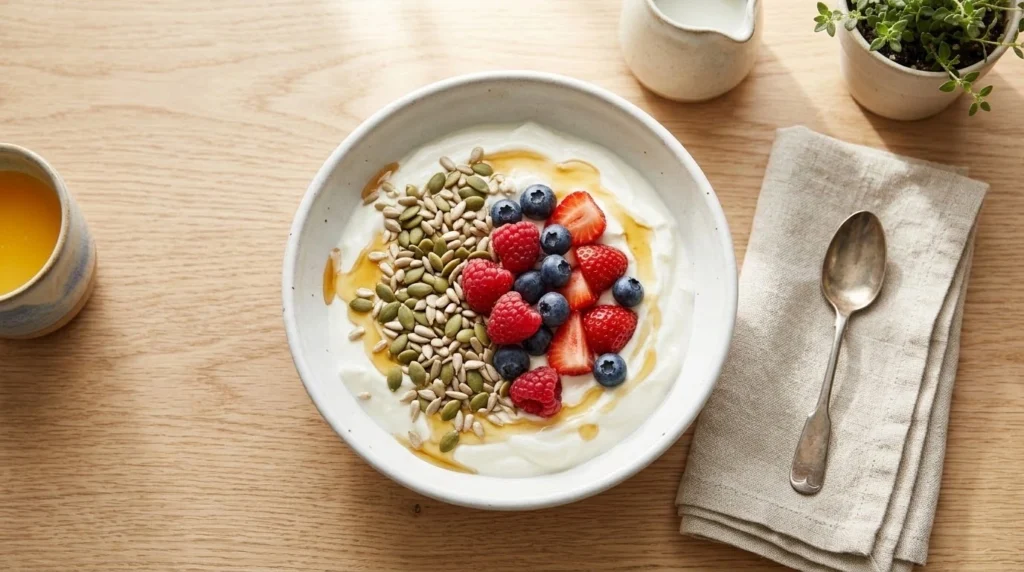
Furthermore, combining them does not require significant effort. Both seeds integrate easily into everyday foods. Add them to yogurt, oatmeal, salads, or smoothies. Eat them as a snack during the day. The daily habit requires almost no planning once established.
How to Add Both Seeds to Your Daily Diet
Knowing the nutritional benefits is one thing. Building the habit is another. Fortunately, both pumpkin seeds and sunflower seeds are versatile, affordable, and widely available. Adding them to your routine is genuinely straightforward.
Simple Daily Serving Suggestions
Start with one tablespoon of each seed per day. This serving size is small enough to add to almost any meal without changing its flavor dramatically. Mix them into morning oatmeal or overnight oats. Sprinkle them over a salad at lunch. Stir them into yogurt with fresh fruit. Alternatively, keep a small container of mixed seeds at your desk for snacking.
Raw or lightly roasted seeds both deliver nutritional value. However, avoid heavily salted or flavored varieties, which add sodium and artificial ingredients without additional nutritional benefit. Additionally, storing seeds in an airtight container in the refrigerator preserves their healthy fats and prevents rancidity.
Realistic Expectations and Timelines
Nutrition works on biological timelines, not overnight ones. Hair growth cycles run three to six months. Skin cell turnover takes approximately four to six weeks. Therefore, expect to maintain a consistent daily habit for at least eight to twelve weeks before noticing visible changes.
Furthermore, seeds are supportive tools within a broader diet, not standalone solutions. They work best alongside adequate hydration, sufficient protein intake, and a generally varied diet rich in vegetables, fruits, and whole foods. Consequently, think of them as one well-chosen piece of a larger nutritional strategy rather than a single-ingredient fix.
Who Benefits Most
People who follow plant-based diets benefit particularly from pumpkin seeds, as zinc and iron can be harder to obtain from plant sources alone. In contrast, sunflower seeds benefit anyone whose diet is low in antioxidants or healthy fats, which describes a large proportion of people eating modern processed food diets.
Additionally, people over 35 who are beginning to notice early skin aging signs may find sunflower seeds especially relevant, as antioxidant protection becomes increasingly important with age. Meanwhile, individuals experiencing stress-related or nutrition-related hair thinning may notice the most benefit from consistent pumpkin seed consumption.
Conclusion: Two Seeds, Two Strengths, One Smart Strategy
Pumpkin seeds and sunflower seeds are not competitors. They are complements. Each one addresses a different set of nutritional needs related to skin and hair health. Pumpkin seeds lead on minerals and hair support. Sunflower seeds lead on antioxidants and skin protection.
The smartest approach, as nutrition science consistently confirms, is to include both. A tablespoon of each per day delivers a broad-spectrum nutritional foundation that supports healthy skin, strong hair, and general wellbeing simultaneously. The effort required is minimal. The potential benefit, sustained over weeks and months, is real and well-supported by current research.
Start today. Add them to your next meal. Build the habit gradually. And let consistent, varied nutrition do what expensive topical products often cannot: support beauty from the inside out, at the cellular level where it actually begins.